
Usually, people do not give a lot of thought to their eyesight until they start to feel it has changed.
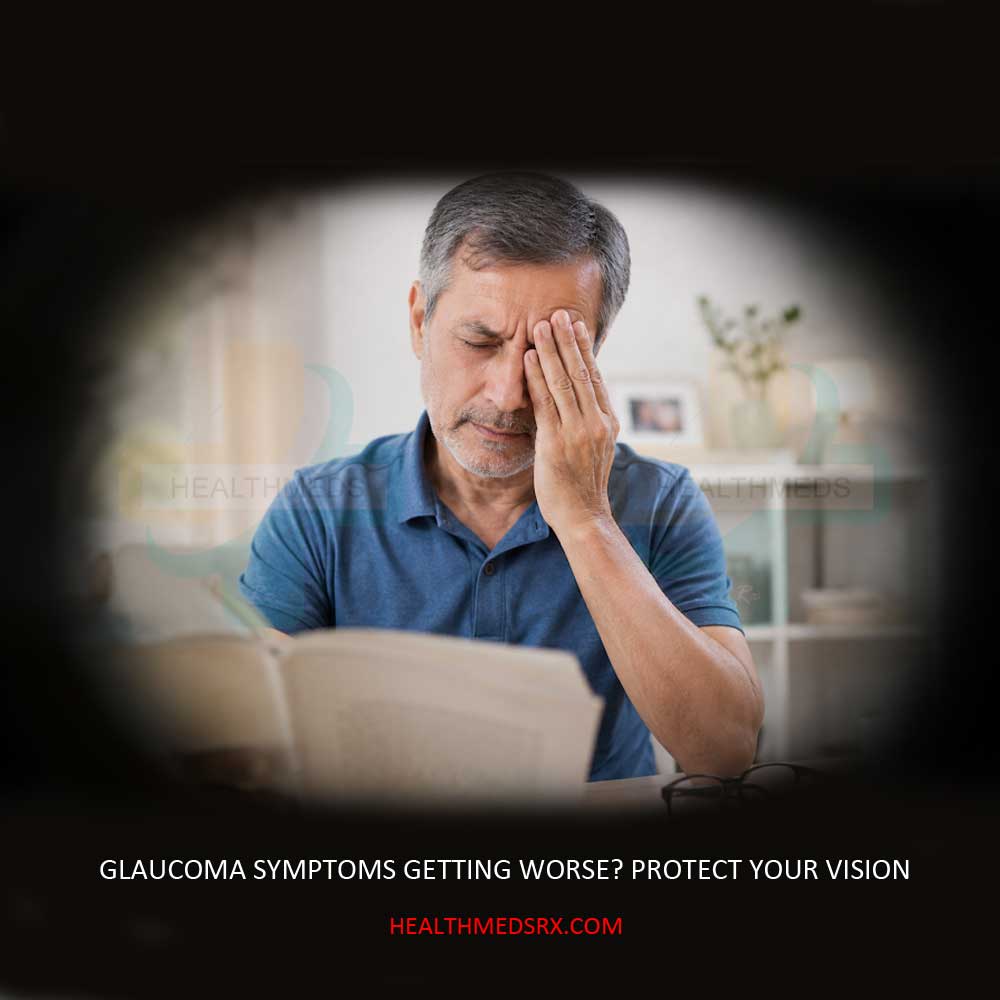
For example, reading is becoming harder than it was previously, you start seeing halos around bright lights, you are experiencing frequent headaches around your eyes, etc. Or your eye doctor informs you that there has been an increase in the eye pressure during a routine exam and now your mind is racing with questions. For many people receiving a glaucoma diagnosis is a frightening experience since the first thing that comes to mind is that it will lead to absolute blindness.
However, many people miss the fact that receiving early glaucoma treatment, making appropriate lifestyle changes, and being monitored regularly will greatly reduce the risk of experiencing severe vision loss.
The majority of people who finish their visit with the doctor do not have a clear understanding of:
- What symptoms actually mean?
- How fast progression happens?
- Whether eye drops really help.
- What daily lifestyle changes matter most.
- What treatments are available beyond medications?
- Whether normal life is still possible after diagnosis.
This blog answers the concerns many people with glaucoma often have while helping readers better understand conditions like open angle glaucoma, treatment options for lowering eye pressure, and ways to protect long term vision naturally.
What Is Glaucoma and Why Does It Damage Vision?
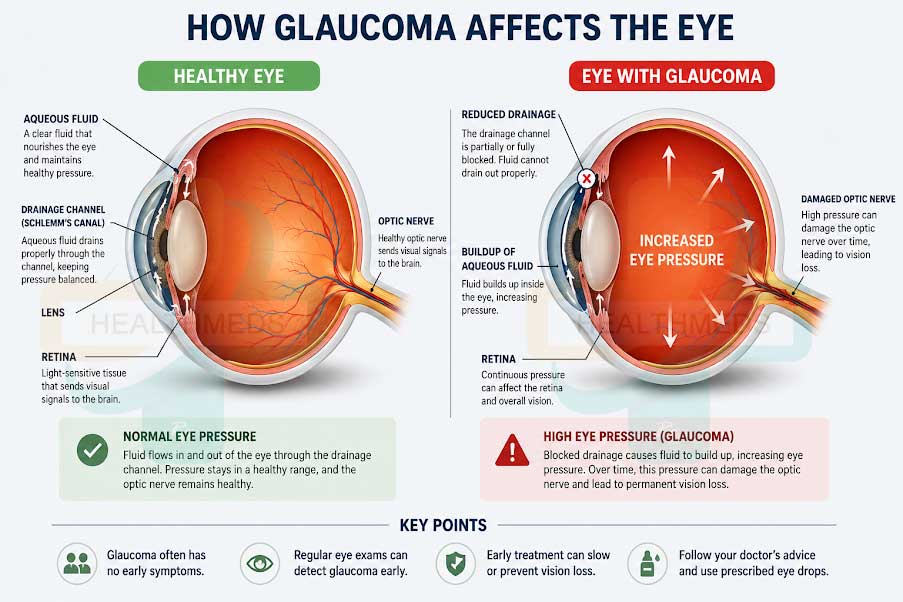 Optic nerve fibers that send visual signals from the eyeball to the brain get damaged by this kind of eye disease. Glaucoma results from abnormal pressure in your eyeball, as your eye produces and drains fluid.
Under normal circumstances, your eye produces fluid and drains fluid. This eye condition occurs whenever your eye is unable to drain its normal amount of fluid causing increased eye pressure.
The optic nerve will experience slow but progressive damage (that may lead to permanent loss of vision) as a result of very high eye pressure if the condition is left untreated.
It is difficult to detect until it becomes serious. For example, open angle glaucoma takes months or years to develop without any noticeable signs to show for it.
It’s not uncommon for a patient to discover they have this eye condition during a routine eye examination.
What Are the Early Glaucoma Symptoms Most People Overlook?
The biggest concern for those diagnosed with glaucoma is:
“What are the early signs of glaucoma?”
The truth is, most of these symptoms are not obvious.
Some common symptoms include:
- Blurriness
- Minor headaches
- Difficulty seeing in low light conditions
- Discomfort in or around the eye
- Halos around bright lights
- Reduced side vision
- Eye discomfort after using your device
The difficulty is that many people will not notice these symptoms in the beginning.
Instead, many people often assume:
- They just need reading glasses
- They are overly tired
- Their eyesight is being affected due to aging
- Too much screen time is causing discomfort
However, these early signs of glaucoma progression continue without treatment.
As the disease keeps progressing even further, other symptoms may include:
- Tunnel vision
- Severe loss of peripheral vision
- Decreased clarity of vision
- Difficulty with night driving
- Difficulty recognizing objects when viewed from the side
That is also the reason early detection makes so much of a difference.
What Should You Do Right After a Glaucoma Diagnosis?
Many people with this eye problem often times have wondered, “I have glaucoma, what should I do now?”
If you get a glaucoma diagnosis, it doesn’t mean permanent vision loss. In fact, many people can see for a long time with good treatment.
The most important thing you can do for yourself is to begin treatment as soon as possible.
Why Early Glaucoma Treatment Matters So Much?
The purpose of glaucoma treatment is to protect the optic nerve before it is severely injured.
Once you lose your vision from this eye disease, there is usually no way to recover it. This is why doctors spend a lot of time trying to slow or stop additional damage from happening to your optic nerve.
You may benefit from early treatment by:
- Lowering the eye pressure
- Decreasing the amount of strain on the optic nerve
- Slowing glaucoma progression
- Protecting long-term eyesight
The sooner you start your glaucoma treatment, the greater your chances of protecting your eyesight.
Best Glaucoma Eye Drops for Lowering Eye Pressure
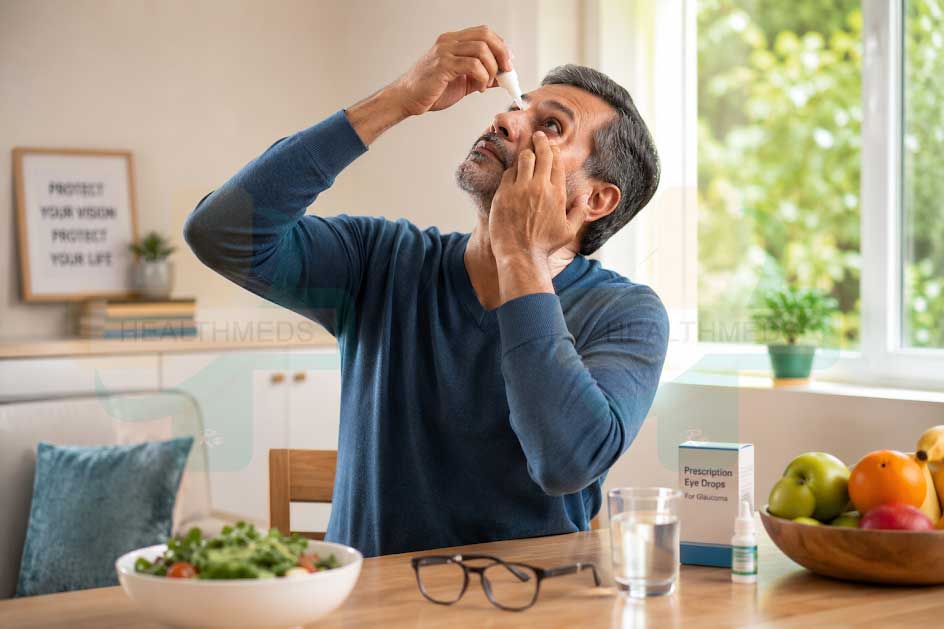 One of the most frequent questions posed by patients regarding treatment for this eye condition includes:
“Do glaucoma eye drops actually work?”
In almost all cases concerning this eye condition, the answer is yes!
An ophthalmologist will generally prescribe glaucoma eye drops first because of their ability to reduce intraocular pressure and relieve stress on the optic nerve.
Some commonly prescribed glaucoma medications include:
How Glaucoma Eye Drops Work?Different types of glaucoma medications work in different ways.
Some ocular drops:
- Assist with the fluid drainage better from the eye
- Reduce the rate of aqueous humor secretion from the ciliary body
- Restore a balanced hydrostatic pressure around the eye
Unique to each patient, the medications listed above are utilized by most patients nearly daily over an extended period as a routine.
Why Skipping Glaucoma Eye Drops Can Be Dangerous
One of the biggest mistakes that patients with eye disease of this kind make is that they do not take their glaucoma drops because they do not see any noticeable worsening in their condition.
However, patients with eye disease such as this one may continue to have optic nerve damage even if their vision does not appear to be changing.
By not taking glaucoma medications as prescribed, the likelihood of the following increases significantly:
- Worsening of eye pressure
- Increased rate of glaucoma progression
- Permanent vision loss
Achieving consistency is much more important than having perfect dosing compliance.
Can You Lower Eye Pressure Naturally Alongside Medical Treatment?
Patients dealing with this eye problem frequently question:
“How to lower eye pressure naturally?”
Lifestyle changes cannot replace prescription treatment, but certain habits may support overall eye health.
Best Lifestyle Changes for Glaucoma Patients
A patient who practices healthy habits daily will experience improved blood flow, eye health, and overall health.
Some important lifestyle modifications include:
- Regular exercise
- Adequate sleep
- Stress management
- Balanced nutrition
- Adequate hydration
- Limiting alcohol & tobacco use
These modifications will not cure the eye disease in question, but they will promote long-term health of your eyes in addition to treatment.
Is Exercise Good for Glaucoma Patients?
Many patients are also concerned about:
“Is walking good for glaucoma?”
Moderate levels of activity improve blood circulation and cardiovascular function, both of which contribute to the overall functioning of the eyes.
The following activities may be beneficial to include in your exercise routine:
- Walking
- Swimming
- Biking
- Light Cardio
- Stretching
Some activities can raise intraocular pressure temporarily when performed.
If you are a patient who has this eye issue, you should be cautious with the following types of exercise:
- Heavy weightlifting
- Yoga
- Extreme breath-holding activities
Best Diet for Glaucoma Patients to Support Eye Health
Individuals are frequently asking:
“What foods are good for glaucoma patients?”
While no single food item can provide a cure for this disease, there are nutrients that have been found to potentially help improve healthy blood flow and eye function.
The following group of foods may help to enhance your vision:
- Spinach
- Kale
- Carrots
- Broccoli
- Citrus fruits
- Berries
- Salmon
- Walnuts
- Flaxseeds
These foods have been associated with improving and benefiting healthy eyes.
What Should Glaucoma Patients Avoid?
It is one of the major concerns that patients demonstrate after their diagnosis.
Some habits will reduce circulation and/or increase eye pressure.
Excessive Caffeine
Too much coffee could increase internal eye pressure.
Smoking
Cigarette smoking damages blood vessels and decreases the oxygen circulating to your eyes.
Poor Sleep Habits
How well we sleep has a direct impact on the blood supply to our body and numerous areas in the body, including our eyes.
Sleeping with your head slightly elevated to assist with eliminating or decreasing fluctuations of your eye pressure.
Long Hours of Screen Exposure
Many people with this condition ask themselves:
“Can screen time worsen glaucoma?”
Excessive time spent in front of a digital device’s screen has been linked to:
- Eye strain
- Headaches
- Drying of the eyes
- Vision fatigue
Utilizing the 20/20/20 rule may be useful in finding relief from eye strain:
People dealing with this eye issue should look at a spot or a thing 20 feet away and focus for no less than 20 seconds.
When Are Laser Treatment for Glaucoma and Surgery Needed?
Some patients initially find that their glaucoma is well controlled with medications; however, when they do not experience positive results and will need more advanced treatments.
When doctors consider laser treatment for glaucoma generally include the following:
- The patient’s medications no longer effectively control their eye pressure
- The patient continues to have eye pressure that is too high (not controlled with medications)
- The progression
Laser treatments can be used to improve the drainage of fluid from the eye.
Laser treatment is generally viewed positively by patients:
- It is a minimally invasive procedure
- Relatively quick
- As it is performed outpatient
- The recovery from the procedure is typically quicker than with surgery
When Is Glaucoma Surgery Necessary?
Many patients become nervous when surgery is suggested to them as they perceive their condition is hopeless.
However, most times when a doctor recommends glaucoma surgery is an attempt to maintain a patient’s remaining vision and not to indicate that the patient will become blind for certain.
Doctors may suggest surgical treatment for a patient with this eye disease when:
- The patient has dangerously high eye pressure
- The patient’s medications are no longer effective
- The patient has received laser treatment and it is not working as expected
- The patient continues to have optic nerve damage
The objective of surgery for the treatment is to improve the passage of fluid in the eye and to control the eye pressure.
Can Glaucoma Surgery Restore Lost Vision?
This question is of great concern to most patients with this eye disease.
In general, surgery assists in preserving any remaining vision. However, it does not recover any vision that has already been lost.
This is the primary reason early treatment is so essential.
How Fast Does Glaucoma Progression Happen?
The rate at which glaucoma progression occurs varies for each individual dealing with it.
Factors may include:
- Age
- Genetics
- Health status
- Compliance with therapy
- Intraocular pressure
- Type of glaucoma
Some people progress slowly over time (years), while others will have rapid optic nerve damage.
That is why it is essential to periodically monitor for changes to the optic nerve, even when vision seems stable.
Is it Hereditary?
Yes! Family history is one of the most significant risk factors for developing glaucoma.
When there is a family history, it becomes increasingly important for those individuals to have regular eye exams.
Individuals with:
- Diabetes
- Hypertension
- Poor blood circulation
- History in the family
will most likely be at higher risk than others. Therefore, they must participate in regular eye exams.
Can You Live Normally With Glaucoma?
The most worrying thing about living with glaucoma is the thought of having something significantly different than the normal life you have now.
“Can you live normally with it?”
Yes… and many people who have glaucoma who continue:
- Working
- Driving
- Traveling
- Exercising
- Reading
- Enjoying hobbies
The main thing that will set those who live successfully managing their glaucoma apart from those who do not is that they tend to:
- Go for regular eye exams
- Take their medication consistently
- Keep their overall health protected
- Do not ignore their symptoms
- Stay proactive with their treatment
Protecting Your Vision Starts Earlier Than You Think
The single most common mistake people make is to wait for a symptom to show up before taking action.
Unfortunately, by the time you see the severe symptoms, there may already be significant optic nerve damage.
Things that can often protect your eyesight include:
- early detection
- consistent treatment
- healthy lifestyle choices
- regular follow-up visits to the ophthalmologist
- avoiding unnecessary eye strain
- controlling other health issues
The small, daily things you do for your eyes will often have a larger impact on your long-term eye health than what you might immediately think.
When it comes to using your vision, being proactive is usually a better choice than waiting until it’s too late.