


Do you ever find yourself thinking about how cold your feet always seem compared to everyone else’s?
Or why does it take weeks for a cut on your leg to heal when other people can heal in just a few days?
Do you ever experience tingling in your fingers after sitting still too long, or cramping in your calves after walking only a short distance?
Have you noticed the early signs of poor blood circulation without realizing what they mean?
If so, you might have a problem that the general population ignores as they age, are busy, or have bad luck. However, there are sometimes early signs of poor blood circulation in your body that indicate you’re having a health issue.
Good blood circulation will allow all organs/muscle/tissue in the body to receive oxygen and nutrients that they require to perform well. However, if blood is unable to circulate efficiently, parts of your body may not be able to function properly.
Oftentimes, the body shows early signs of poor blood circulation which are easily overlooked until they affect your everyday life.
Identifying the early signs of poor blood circulation can be worrying, but by recognizing them, you can identify the issue and speak to a doctor if needed, and implement lifestyle changes that will improve your overall vascular health.
In this article, we’ll identify common early signs of poor blood circulation, explore what causes the warning signs, and provide easy suggestions for improving blood circulation before it results in more serious complications.
What Is Poor Blood Circulation?
Your body’s transport network is a complicated system consisting of arteries and veins. Your heart beats to support this system by sending oxygen-rich blood to all the organs and tissues; then, using veins, it sends the blood back to the heart and lungs, and finally, it begins the cycle over again.
Blood circulation may be disrupted by one of many possible underlying conditions, such as narrowed arteries, damage to your blood vessels, blood clots, and/or other issues that affect blood flow. Since arms and legs are the farthest from the heart, they are often the first parts to exhibit early signs of poor blood circulation.
Changes in blood flow happen from time to time, but if you have several persistent symptoms, you should talk to your doctor.
Your Hands or Feet Always Feel Cold
Cold hands or feet on a winter day are perfectly normal. If you’re constantly reaching for your warm socks when everyone else feels warm, you might just be showing the early signs of poor blood circulation.
When blood does not get to the arms or legs well, there is a shortage of oxygen-rich blood at the end of those extremities. This may be what causes your fingers or toes to feel excessively cold even in temperate weather.
In addition, early signs of poor blood circulation may be noticeable as cold hands or feet, which may also be caused by many other underlying conditions, including stress, some medications, thyroid problems, and/or Raynaud’s disease.
However, if your cold hands and/or feet are quite frequent, or you have numbness, pain, or any change in color of your skin, you may wish to discuss the problem with your healthcare provider.
Tingling or Numbness That Keeps Coming Back
The majority of us have had “pins and needles” when we have been seated for too long, or have caused numbness to an area of our body by sleeping on an arm. Most times, this sensation ends after a few minutes but often are the early signs of poor blood circulation.
Repeating tingling/numbing sensations are different.
Nerves require a constant supply of both oxygen and nutrient flow to work properly. When there is a reduction in blood flow, the nerves will send out unpredictable signals that may feel like burning, tingling, or numbness that could be interpreted as the early signs of poor blood circulation.
There are many possible causes for these sensations. Poor blood flow is one cause, but there are other causes, including diabetes, nutritional (Vitamin) deficiencies, nerve disorders, or spinal disorders.
Furthermore, persistently recurring numbness should not be neglected, especially if it occurs more frequently or only affects one side of the body.
Cuts and Wounds That Heal Slowly
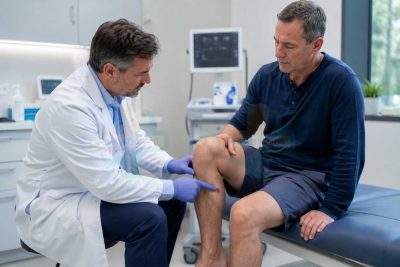 The human body has an amazing capacity for self-repair. When your body receives a small cut, it initiates a series of complex actions to heal it using oxygen and nutrients carried by the blood to deliver immune cells. When blood flow is decreased, the healing process will also be affected.
You may notice that minor scratches, small cuts, or blisters may take longer to heal and be more susceptible to infection than expected. For people with diabetes, this is even more critical, as they already deal with circulation problems and are not able to heal their feet or lower legs properly.
If you have any wound that has not healed in a reasonable amount of time, consider it as an indication of early signs of poor blood circulation and consult with your doctor as to how this may be treated.
Swollen Feet and Ankles
Following a long day of standing or travelling, you may experience some normal swelling around your ankles. If the swelling persists for more than a few days, then it should receive further evaluation.
Fluid collects in your lower leg tissues when the blood and other fluids do not circulate well throughout the body, which can lead to tighter-than-usual shoes or leave indentations on your legs after removing socks.
There are numerous reasons why swelling could occur, including but not limited to issues with the veins, heart, kidneys, or liver. Early signs of poor blood circulation may show up suddenly. If you have swollen legs that have occurred suddenly, only in one leg, and have been accompanied by pain, redness or difficulty breathing, you should get immediate medical assistance.
Leg Pain That Appears While Walking
Imagine starting your walk, but after just a few minutes, you develop cramping pain in your calf. You take a break, rest for a while, and then start walking again, only to experience the pain come back.
This isn’t just tired muscles when you have pain that happens every time you exercise and gets better when you take a break.
In medical terms, this is considered to be intermittent claudication and can be one of the first signs of PAD (Peripheral Artery Disease), which is caused when arteries supplying blood flow to your legs become narrowed from fatty deposits.
Typically, the pain will start during longer walks, and as time goes by, the pain will be noticeable at shorter and shorter distances. Many people will conclude that it’s simply getting older or not being in shape, so a clear diagnosis cannot be made if it is one of the early signs of poor blood circulation.
Your Skin Changes Color or Texture
Your skin can show how well your circulation is working.
If your blood is not getting to an area well, it can look pale, blue, or even slightly purple. In some cases, the skin on the lower legs may appear smooth and shiny because circulation problems have affected the surrounding tissue.
Although there might be other early signs of poor blood circulation such as changes in texture and/or colour, you should not ignore them, particularly if you have pain, numbness, or slow-healing sores.
Hair Loss on Your Legs
Most individuals don’t link hair loss with blood flow, hence it is a clue most do not observe.
Hair follicles need a continuous supply of oxygen and nutrients to generate healthy hair. If blood circulation to your lower legs is insufficient over time, then your capability to grow hair might be slowed or even stopped altogether. You may find noticeably thinner hair on your calves or a complete disappearance without a good explanation.
Hair loss in the legs can be related to early signs of poor blood circulation. Additionally, friction from your clothes, hormone stages, or even age may contribute to hair loss.
However, if it is to be experienced in combination with poor temperature in feet, pain in the legs whilst walking, or slow-healing wounds, it would be better for you to consider medical consultation.
Brittle or Slow-Growing Toenails
Your toenails are reliant upon a healthy blood flow, just like your skin and hair.
Circulation problems can cause slow-growing, thick or brittle nails. Nail changes are often associated with fungal infections, nutritional deficiencies or ageing. However, it could also indicate early signs of poor blood circulation, especially if it is combined with other symptoms associated with poor circulation in the feet and legs.
If you have diabetes or another condition that increases your chances of developing circulation issues, it is important for you to regularly check your feet for any possible changes that may not be immediately obvious.
Feeling Tired More Often Than Usual
Everyone will typically feel a little tired after a busy day but experiencing ongoing fatigue without any apparent reason can sometimes be attributed to early signs of poor blood circulation.
When muscles and organs do not get sufficient oxygen-rich blood, these body systems may not function at optimal levels. Depending on how long this problem lasts and the severity of the issue, a person may experience less energy and feel more fatigued doing activities that were once relatively easy to perform.
There are many reasons for fatigue, including lack of quality sleep, excessive stress, anemia, thyroid abnormalities, and heart disease. Therefore, fatigue should not be considered a stand-alone symptom of early signs of poor blood circulation.
However, when ongoing fatigue is present along with the other symptoms outlined elsewhere in this article, the individual experiencing this symptom should mention this to their physician during their next medical examination.
Difficulty Maintaining an Erection
For many men, impotence may not just indicate an issue with sexual function, but can also signal cardiovascular disease.
To achieve an erection, sufficient blood must flow to the penile organ from the blood vessels. If these vessels are narrowed or damaged, it may be more difficult to maintain an erection. Sometimes, erectile dysfunction could be a sign of a potential heart-related complication that is yet to surface.
The causes of erectile dysfunction are numerous. They range from stress, anxiety, hormonal changes, and certain medications to neurological problems. Therefore, any man experiencing chronic ED should speak to his doctor about the condition, as this is an indication of early signs of poor blood circulation and how well vascularized his body is overall.
For men diagnosed with erectile dysfunction related to poor blood flow, healthcare providers may recommend ED treatments that include Cenforce 100mg, Fildena 100mg, Kamagra 100mg, etc. along with lifestyle measures to support better circulation.
A Weak Pulse in Your Feet
Many individuals do not consider the pulse located in their feet; however, healthcare providers frequently use the pulse in the feet as part of routine physicals.
A pulse in your feet that is weaker than expected may mean there is difficulty getting enough blood to the lower extremities. Although you should never diagnose yourself by simply checking your foot pulse at home, if you have other signs or symptoms, including cold feet, pain in your legs, or slow healing of wounds, it could help explain why your foot pulse is weak.
Regularly getting checked out by your doctor for your overall health becomes even more critical as you age or if you are at risk for diabetes, have high cholesterol levels, or smoke.
Feeling Dizzy When You Stand Up
Sometimes, people experience dizziness or light headedness if they stand up very quickly. When this happens, it’s typically just a short-lived sensation that goes away as your body adjusts to the change in position.
There is a bigger problem if you find yourself consistently getting dizzy.
Going dizzy often indicates that your body is having difficulties getting enough blood to the brain or central nervous system as your position changes. Common causes of this condition include dehydration and low blood pressure; however, circulatory disorders could also be an issue.
If you’re experiencing frequent episodes of dizziness, you should definitely consult a healthcare professional, especially if you’ve experienced fainting, shortness of breath, or chest pain during one of these episodes.
What Causes Poor Blood Circulation?
Poor blood circulation is not a separate illness. Still, it is often caused by an underlying condition affecting the heart and/or blood vessels or other areas of your overall health.
The most typically known causes of poor blood circulation are mentioned as follows:
- Peripheral artery disease (PAD), which narrows the arteries, impeding the flow of blood to one’s feet and calves.
- Diabetes, which damages blood vessels and nerves when blood sugar levels become excessive over time.
- High blood cholesterol causes fatty deposits inside the artery walls, which makes it increasingly difficult for blood to freely flow through them.
- Smoking introduces chemicals that damage the lining of the arteries, thereby impeding blood flow through them.
- High blood pressure (hypertension) causes stress on the arteries over time, leading to further narrowing of the arteries and, consequently, impeding blood flow through them.
- Obesity increases the workload of the heart as well as the circulatory system, therefore placing an increased demand on both systems, thus leading to impairment of blood flow.
- A sedentary lifestyle, where an individual spends extended periods of time sitting, causes the blood flow to slow, particularly to the legs and feet.
- Heart disease consists of several conditions that impair the ability of the heart to effectively pump blood throughout the body.
Recognising and addressing any underlying medical issues will usually provide the best opportunity to improve circulation.
How to Support Healthy Blood Circulation?
 Although proper circulation depends on your underlying health status, there are many ways to improve blood circulation through simple lifestyle changes.
- Stay physically active: Being active helps the entire body function properly including how efficiently blood can move through your body. Even small amounts of walking throughout the day can help you avoid being seated for long periods of time.
- Avoid sitting for long periods: If you have a job where you have to sit for long periods of time, try limiting how long you sit and make it a point to get up every hour and move around. Walking for 5 to 10 minutes every break is enough to show significant improvement in blood flow.
- Eat a heart-healthy diet: Eating a lot of fresh fruits and vegetables, whole grains, lean proteins, nuts and heart-healthy oils will promote good health of your arteries. On the other hand, limiting processed foods, excess salt and saturated fats is a great way to support healthy circulation.
- Stay hydrated: Drinking enough water helps to maintain healthy blood volume and helps the heart to pump blood better.
- Stop smoking: The best thing you can do to help maintain healthy blood vessels and improve blood circulation long-term is to stop smoking.
- Manage existing health conditions: Managing diabetes, hypertension and high cholesterol greatly decreases circulation-related complications. Following physician directives and getting yearly checkups are essential.
When Should You See a Doctor?
Having cold hands occasionally or experiencing temporary tingling sensations does not necessarily mean that you need to see a doctor right away.
However, if any of these conditions develop into any of the following symptoms then you should make an appointment with your doctor:
- Numbness or tingling that lasts for a long period of time.
- Foot or leg pain when walking multiple times.
- Long delay before any wounds heal.
- Any swelling that occurs in your legs or your feet consistently.
- Having one or both feet feel cold for an extended period of time.
- Having any type of skin colour changes for no apparent reason.
- The development of new symptoms that become more severe and/or frequent over time.
If you experience sudden extreme pain in your leg, if one of your legs feels colder or pale, if you have pain in your chest, have difficulty breathing, or any other signs of a stroke (drooping face, weak arm, trouble speaking), you must seek emergency medical attention immediately.
Recognize Early Signs of Poor Blood Circulation To Step Toward Better Health
Your body often provides early signs of poor blood circulation that can indicate an impending or developing health issue. Cold feet, repeated instances of tingling, slow-to-heal wounds, leg pain when walking, or unexpected changes in skin and nails may seem very different from each other at first, but together they may indicate that you have poor blood circulation.
Having just one of these symptoms doesn’t mean that you definitely have impaired blood circulation. Many of the symptoms mentioned also have a probable chance of being caused by other health issues.
So, self-diagnosis is not recommended. However, noticing the repeated occurrence of persistent changes, along with your doctor’s strict supervision, can help identify likely existing or otherwise underlying conditions before they cause further complications.
Healthy circulation plays a vital role in every part of your body, from your brain and heart to your muscles and skin. By staying physically active, managing chronic health problems, having nutritionally balanced meals, avoiding tobacco, and seeking medical guidance when necessary, you can take meaningful steps toward protecting your circulatory health for years to come.