
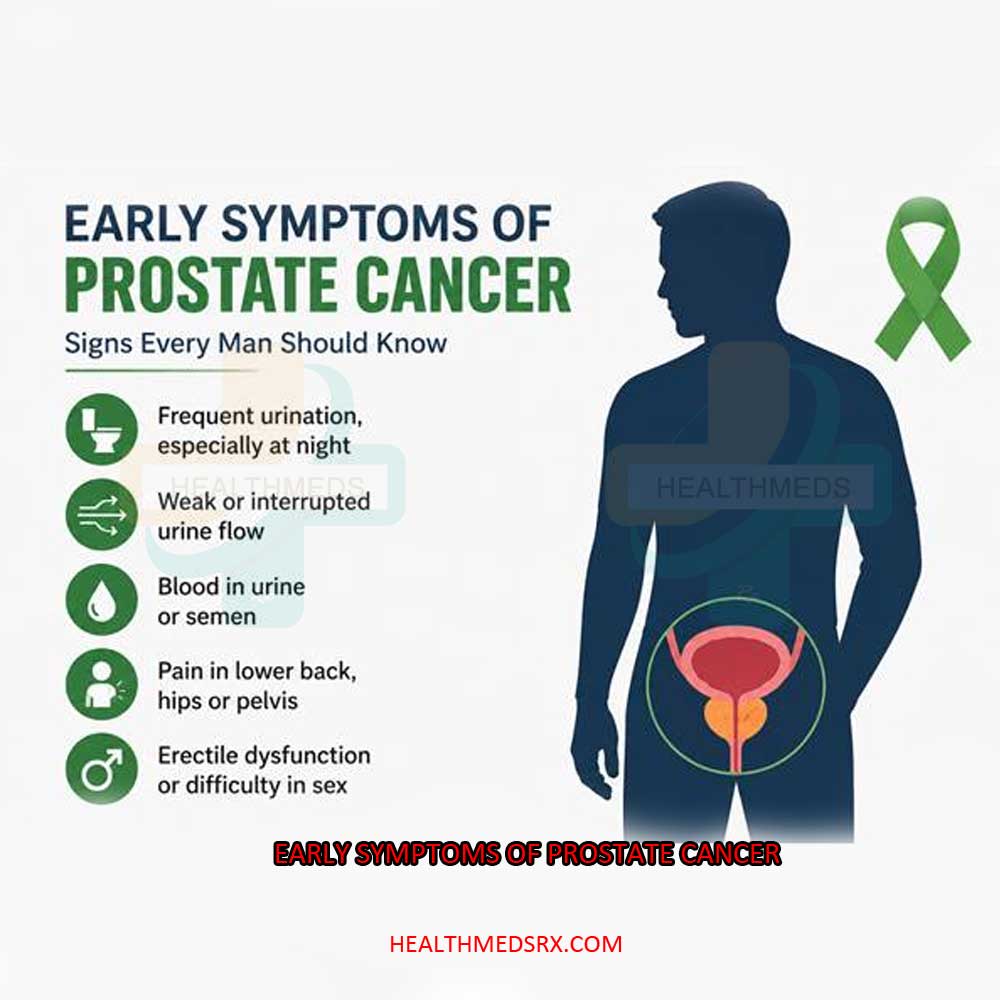

Prostate cancer is a very common cancer among men globally. The prostate is located in front of the rectum and below the bladder. One of the components of the male reproductive system forms seminal fluid. Prostate cancer is a slow-growing cancer, but if not detected and treated in its early stages, it can be life-threatening. A lot of men overlook the early signs as they are not severe or may seem related to their normal aging issues. With knowledge of signs and symptoms, early diagnosis and treatment are possible.
Signs and Symptoms of Prostate Cancer
 Difficulty in Urination
One of the first symptoms and most frequent symptoms of prostate cancer is difficulty in urinating. Men can have an increased need to urinate, particularly at night. It is known as nocturia and may disrupt sleep patterns and activities.
Some males also may have:
- A weak urine stream
- Trouble starting urination
- Difficulty stopping urination
- Not feeling the urge to urinate when it is time to go
It is due to the enlarged prostate exerting pressure on the urethra and blocking the urine flow.
A Burning Sensation or Pain on Urination
Other signs are pain or a burning sensation when urinating. While it may be due to urinary tract infections (UTIs) or other prostate health problems, persistent pain should not be ignored. If you have any strange urinary symptoms that persist for several days, see a doctor.
Blood in Urine or Semen
The presence of blood in the urine is a very serious symptom and should always be looked at by a health care professional. Sometimes, men also experience blood in their sperm. Any blood specimens can help detect a prostate problem, which requires diagnosis and treatment.
It can be overlooked and can result in delayed diagnosis of serious conditions like prostate cancer.
Erectile Dysfunction and Sexual Problems
Sometimes prostate cancer can impact sexual function. Erections may become firm or difficult to obtain and/or to hold in place in men. Others also might experience pain when they ejaculate or loss of sexual function.
Men with sexual difficulties, in addition to urinary symptoms, should seek medical advice, although aging, stress, diabetes or heart disease may be possible causes of ED. Some men use drugs such as Cenforce, Kamagra, Aurogra, etc. to improve their erectile function. It has sildenafil citrate that helps men get and keep their penile area filled with blood, which makes it easier to achieve and keep erections. However, the issue of erectile dysfunction is not necessarily treated as an independent disorder, but rather as a manifestation of any underlying prostate disorder, including prostate cancer.
It is very important to consult with a health care professional before using ED drugs for men who have a chronic situation in which they have trouble getting and keeping an erection. Diagnosis can help to identify whether the symptoms are prostate-related or caused by another condition.
Lower Back, Hip or Pelvic Pain
Prostate cancer may also cause pain in the lower back, hips, pelvis or thighs. When cancer has grown beyond the prostate, it usually enters the bones, causing pain and weakness.
A man should seek medical advice immediately if he has any episodes of unexplained bone pain or urinary symptoms.
Unexplained Weight Loss and Fatigue
Weight loss for no apparent reason other than diet and exercise is another symptom of cancer. Many men, in addition, have advanced prostate cancer and excessive weakness and fatigue.
Common symptoms include:
- Constant fatigue
- Loss of appetite
- Reduced energy levels
- Unintentional weight loss
If the following symptoms appear, the disease may be progressing, and should not be ignored.
Which Person has a Greater Risk?
While prostate cancer can develop at any age, older men are more likely to be diagnosed with it. Listed below are some reasons for this:
Age
The incidence of prostate cancer increases for men over the age of 50.
Family History
Men with fathers, brothers or first-degree relatives who have had prostate cancer will be at an increased risk of developing prostate cancer.
Unhealthy Behaviors
Unhealthy eating habits, being overweight, smoking, excessive drinking and lack of physical activity increase a man’s risk of prostate problems and ultimately prostate cancer.
Why Early Screening is Important
Early screening is one of the most crucial things to be done to detect prostate cancer. The two most common ways to check for prostate cancer are by:
PSA (Prostate-Specific Antigen) Test: The PSA test is a blood test that measures prostate-specific antigen (PSA). If PSA levels are elevated, it may be an indication of prostate cancer; however, not all cases of prostate cancer will have elevated PSA levels.
Digital Rectal Exam (DRE): This test is performed by feeling the prostate through the rectal wall; therefore, this test is performed at the same time as the PSA test.
It’s important that men in their 50s, particularly if they have a family history of prostate cancer, talk with their provider about screening.
The Treatment Options for Prostate Cancer
Treatment will depend on the advancement and severity of the cancer. Treatment options include:
- Active surveillance
- Surgery
- Radiation therapy
- Hormone therapy
- Chemotherapy
If prostate cancer is detected early, it will likely be treated very successfully.
Tips for Better Prostate Health.
A diet of healthy foods can contribute to prostate health and lower some risk factors. Helpful habits include:
- Eating fruits and vegetables regularly
- Exercising daily
- Maintaining a healthy weight
- Avoiding smoking
- Limiting alcohol consumption
- Staying hydrated
Foods like Tomatoes, broccoli, fish, nuts and green tea are often thought to be good for prostate health.
Emotional and Mental Health Matters are so Important
There are many reasons men don’t talk about urinary or sexual health issues; they may be embarrassed or afraid. But delaying medical assistance will make it a lot worse. Talk with health care providers and family to reduce stress and improve overall health throughout the diagnostic and treatment process.