
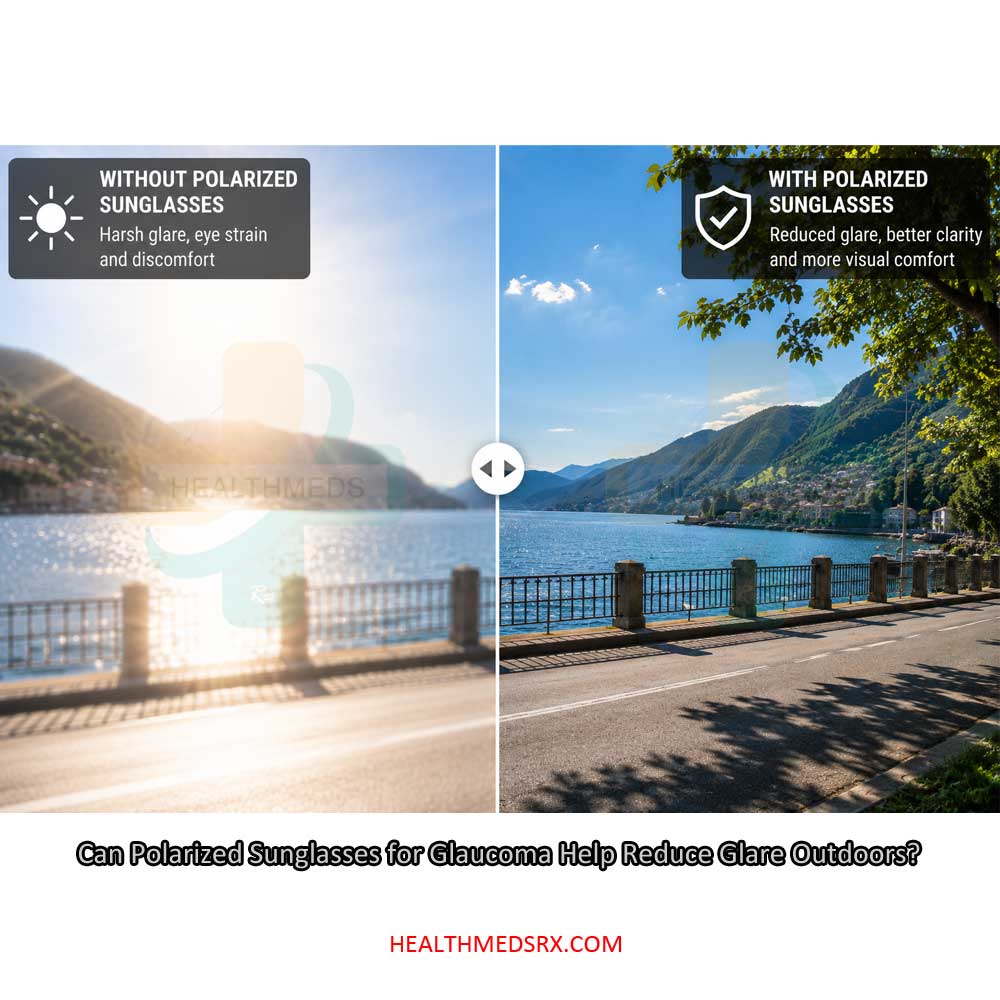

Suffering from glaucoma is not only about visits to the doctor, testing for eye pressure, or taking prescription medications. Many people who suffer from this eye illness have annoying experiences every day.
For instance, walking around in the afternoon sun can be a very uncomfortable experience. Sunlight reflecting off cars is often distracting. It may be difficult to focus on bright roads. You may feel stressed out while driving during peak daylight hours.
During the course of time, many of those who have glaucoma start to ask themselves the question:
“Can polarized sunglasses for glaucoma make outdoor vision feel more comfortable?”
The answer to this question for the majority of glaucoma patients is yes. Polarized sunglasses for glaucoma have been shown to greatly enhance the comfort of many glaucoma patients when they are outdoors by decreasing glare, reducing fatigue in the eyes, and lessening the strain on the retina from bright sunlight making it more comfortable outdoors.
The confusion surrounding this eye problem is significant, due to the fact that a big part of the population believes that polarized sunglasses for glaucoma can cure the eye condition itself or aid in lowering eye pressure (IOP) or stopping vision loss. This is not how glaucoma works.
The truth is that polarized sunglasses for glaucoma will not cure it, but they will assist many glaucoma patients to live more comfortably outdoors in their daily lives.
And for people already managing long-term open-angle glaucoma, daily comfort holds a lot more value than most realize.
This guide explains:
- why glaucoma patients become sensitive to glare
- how polarized sunglasses for glaucoma work
- whether they help with driving
- if they reduce eye pressure
- what features matter most
- best lens colors for glaucoma patients
- and how to choose sunglasses that actually improve daily visual comfort
Why Do People With Open-Angle Glaucoma Become More Sensitive to Glare?
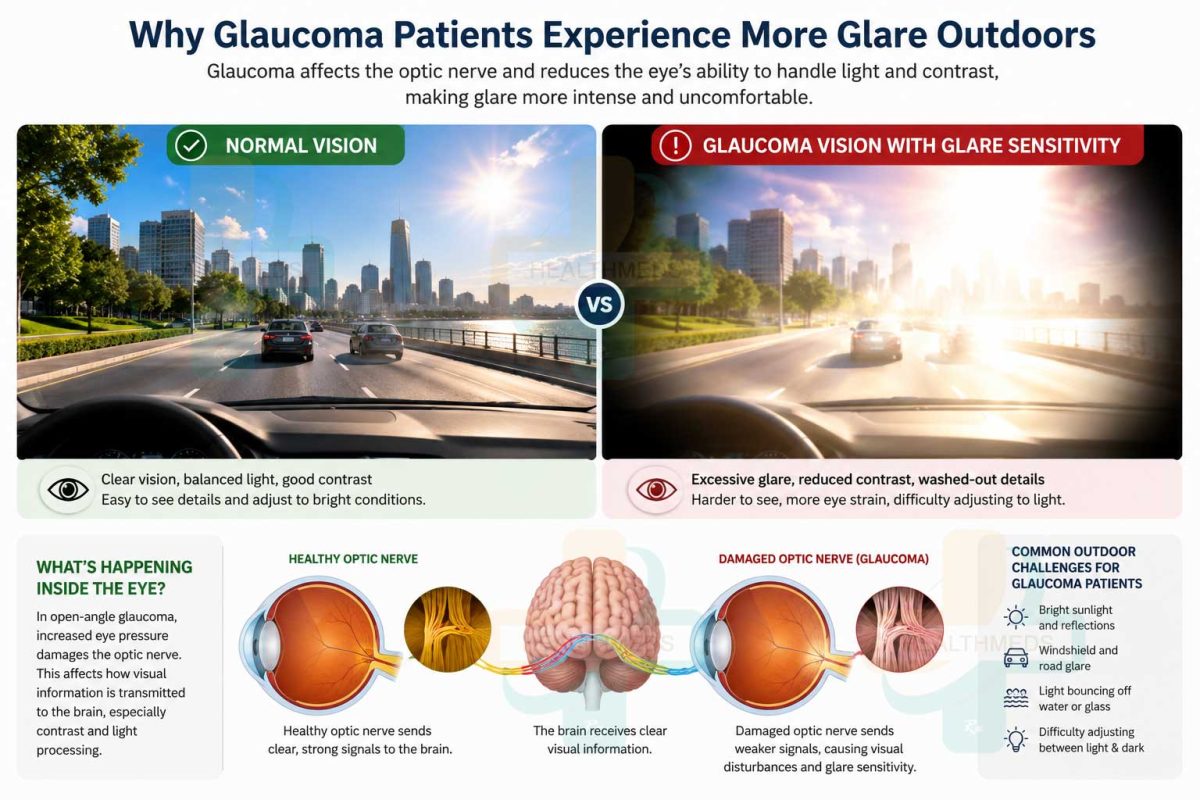 One common complaint among those with open-angle glaucoma is an increase in the difficulty they experience while being exposed to bright light.
The following things are among many patients’ general complaints as they notice:
- the sun is shining more intensely feels harsher than it used to.
- bright light reflects off surfaces and causes an increase in visual distractions.
- outdoor space to cause more visual exhaustion than it used to be.
- driving in daylight is now incredibly stressful.
- bright pavements are too much for their visual systems.
- their eyes feel fatigued after long exposure to the outdoor environment.
Glaucoma affects the optic nerve which disrupts its ability to send visual information to the brain.
As their glaucoma progresses, many continued to experience symptoms of:
- Decreased contrast sensitivity
- Changes in peripheral vision
- Visual fatigue
- Increased sensitivity to glare
- Difficulty in adapting between bright and dark environments
Thus, patients with glaucoma may find simple, everyday activities, such as going outside become increasingly challenging, even though their central visual acuity is still good.
For most glaucoma patients, glare is one of their earliest frustrations with their lifestyle changes.
What Makes Polarized Sunglasses for Glaucoma Different From Regular Sunglasses?
Many people think polarized sunglasses for glaucoma are simply just darker sunglasses. However, the reality is that ordinary sunglasses mostly reduce the overall amount of brightness but do not specifically target glare or reflected light.
Polarized sunglasses for glaucoma are specifically designed to help reduce or eliminate the excessively bright glare that comes from the following surfaces:
- Roads
- Water
- Vehicles
- Windows
- Bright pavements
- Metallic surfaces
The way to filter the excessively bright glare from the surfaces listed above, polarized lenses are made to filter out all reflected horizontal light. This is the source of the intense glare that many people experience while outside in the sunlight.
As a result, many patients who suffer with this condition have described their experience wearing polarized sunglasses for glaucoma as feeling much calmer or more relaxed, even clearer, experiencing much less visual fatigue or moving about in different locations to focus much more easily outdoors.
To someone who has suffered from excessive glare discomfort due to suffering from this eye issue previously, these differences may feel unbelievably significant!
Can Polarized Sunglasses for Glaucoma Improve Outdoor Vision Comfort?
For a lot of glaucoma patients, yes they can.
One of the reasons why there has been an increase in the popularity of polarized sunglasses for glaucoma is that it addresses one of the greatest day-to-day frustrations that patients struggle with: visual discomfort outdoors.
Some of the daily challenges associated with outdoor vision for glaucoma patients include:
- Squinting in bright sunlight
- Getting headaches from too bright environments
- Experiencing eye fatigue outdoors
- Glare while driving
- Reflections from buildings and roads
- Discomfort while traveling during the day
Polarized sunglasses for glaucoma offer solutions to the above-mentioned problems as follows:
- They reduce glare
- They reduce the amount of reflected light
- They improve contrast while outdoors
- Decrease the amount of visual fatigue while outdoors
- Reduce squinting
- They make bright sunlight feel less overwhelming
By providing these solutions, many patients with glaucoma may find it:
- easier to drive
- walking outdoors is more comfortable
- Less tiring to participate in daytime activities
As a result of the assistance polarized sunglasses for glaucoma can offer, more and more patients are searching the internet including:
- “best sunglasses for glaucoma”
- “how to reduce glare with glaucoma”
- “are polarized sunglasses good for glaucoma”
Why Driving Can Become More Stressful With Glaucoma?
Those who suffer from glaucoma often experience significantly increased mental exhaustion from driving long before their visual function deteriorates.
For example, when driving on:
- bright afternoons
- sunset glare
- rainy weather
- reflective highways
- heavy daytime traffic
Some people may also have other problems when driving, including:
- slower visual adjustments
- difficulty handling reflections
- increased eye fatigue
- visual discomfort due to sunlight
- difficulty focusing comfortably over an extended period of time
For patients, wearing polarized sunglasses for glaucoma can be a great solution for many of these issues.
Because they reduce glare from windshields and harsh reflections from the road, wearing polarized lenses while driving during the daytime can help make the experience:
- more comfortable
- less visually demanding
- easier to see
- less mentally tiring
For many patients with glaucoma, just experiencing this level of improvement on a daily basis makes wearing polarized lenses worth considering.
Can Polarized Sunglasses for Glaucoma Lower Eye Pressure?
This is one of the most common misconceptions of glaucoma patients.
The definitive answer is:-
No, polarized sunglasses for glaucoma do not reduce intraocular pressure (IOP) directly; they improve your ability to see clearly outdoors but are not a treatment method.
In order to effectively manage elevated intraocular pressure, doctors typically recommend pharmaceutical treatments like:
These drugs are routinely used to treat open-angle glaucoma, lowering the IOP as well as decreasing the amount of strain on the optic nerve.
For example:
- Bimatoprost increases the fluid outflow from the eye.
- Alphagan P Eye Drops decreases the amount of aqueous fluid produced while maintaining outflow.
- Careprost is used to assist in managing high IOP in glaucoma patients.
Therefore, although polarized sunglasses for glaucoma may help prevent glare-related eye fatigue outside, they should never act as a substitute for the prescribed glaucoma medications or the periodic eye examinations by your ophthalmologist.
Best Lens Colors for Polarized Sunglasses for Glaucoma
Many individuals only pay attention to polarized sunglasses and forget about lens color. But lens color can impact your visual comfort as well.
Grey Lenses
Grey polarized lenses are commonly preferred because they:
- Help reduce brightness naturally
- Help to preserve realistic colors
- Function very well in bright daytime sunlight
They are typically considered a general everyday lens.
Brown or Amber Lenses
Brown and amber lenses can help to enhance:
- Contrast sensitivity
- Depth perception
- Clarity of vision outdoors
These may be preferred by some individuals with this eye condition while driving.
Yellow-Tinted Lenses
Yellow lenses are best utilized in:
- Cloudy weather
- Fog
- Low light conditions
However, they may not provide enough comfort when exposed to direct bright sunlight.
What Features Matter Most in Polarized Sunglasses for Glaucoma?
Not all sunglasses provide equal visual clarity.
Key features to consider:
- UV400 Protection: Protects against harmful (UVA and UVB) rays.
- Polarized Anti-Glare Technology: This is a critical component for reducing glare from outside surfaces.
- Wraparound Frames: This frame style helps protect against light/UV from entering through the sides.
- Lightweight Comfortable Frames: Heavy sunglasses can be uncomfortable when worn for longer periods of time.
- High Optical Clarity: Distorted vision can compound with poor-quality lenses, thereby enhancing visual fatigue.
Can Bright Sunlight Make Glaucoma Symptoms Feel Worse?
While bright sunlight does not directly worsen glaucoma itself, most individuals report that they notice an increase in:
- Glare sensitivity (the intensity of light)
- Eye strain
- Squinting
- Visual discomfort
- Headaches while outdoors
This is why using polarized sunglasses for glaucoma is a good way for patients to manage their daily comfort levels when spending time outside.
What Polarized Sunglasses for Glaucoma Cannot Do?
It is also important to note that there are a lot of online articles that discuss the use of polarized sunglasses; however, they claim unrealistic benefits.
Polarized sunglasses for glaucoma do not:
- Cure glaucoma
- Repair optic nerve damage
- Restore lost vision
- Replace glaucoma medications
- Directly stop glaucoma progression
However, polarized sunglasses for glaucoma may help improve quality of life in practical ways.
Reducing visual stress outdoors may help someone with glaucoma feel less burdened by their condition.
Why Daily Visual Comfort Matters More For People With Glaucoma?

When most people think about glaucoma, they usually think of:
- Eye pressure
- Medications
- Surgery
- Vision loss
But the fact is that many people who have glaucoma deal with visual discomfort each day, way before they start to lose their vision to glaucoma.
Repeatedly dealing with sensitivity to light or the fatigue of being outside with your eyes open can grow into a huge mental burden over time.
This is why it is important for patients suffering from the effects of this eye disease to invest in good quality polarized sunglasses for glaucoma and not just look at them as a fashion statement.
Many people who wear polarized sunglasses for glaucoma are looking to:
- Reduce visual fatigue
- Be more comfortable when outdoors
- Drive with less stress
- Improve their confidence when doing activities during the day
- Feel better when outdoors in those bright environments
So, Can Polarized Sunglasses for Glaucoma Really Help?
For many patients with glaucoma, yes.
They do not directly treat glaucoma but rather can help improve many of the frustrating daily symptoms associated with glare and bright outdoor conditions.
How polarised sunglasses for glaucoma can help:
- Provide greater comfort outdoors visually
- Decrease the intensity of glare
- Reduce eye strain
- Make it easier to drive
- Make it easier to deal with radiant sunshine
- Provide patients with a better overall experience preparing for and dealing with bright outdoor conditions
When combined with glaucoma treatment (a comprehensive approach to treating the condition, monitoring for progression, and prescribed medications like Bimatoprost, Careprost, or Alphagan P Eye Drops), these sunglasses may provide patients with an additional means for navigating everyday activities with greater comfort.
Because for many people living with glaucoma, seeing comfortably outdoors is not just about eyesight, it is about feeling confident enough to enjoy normal life again.