
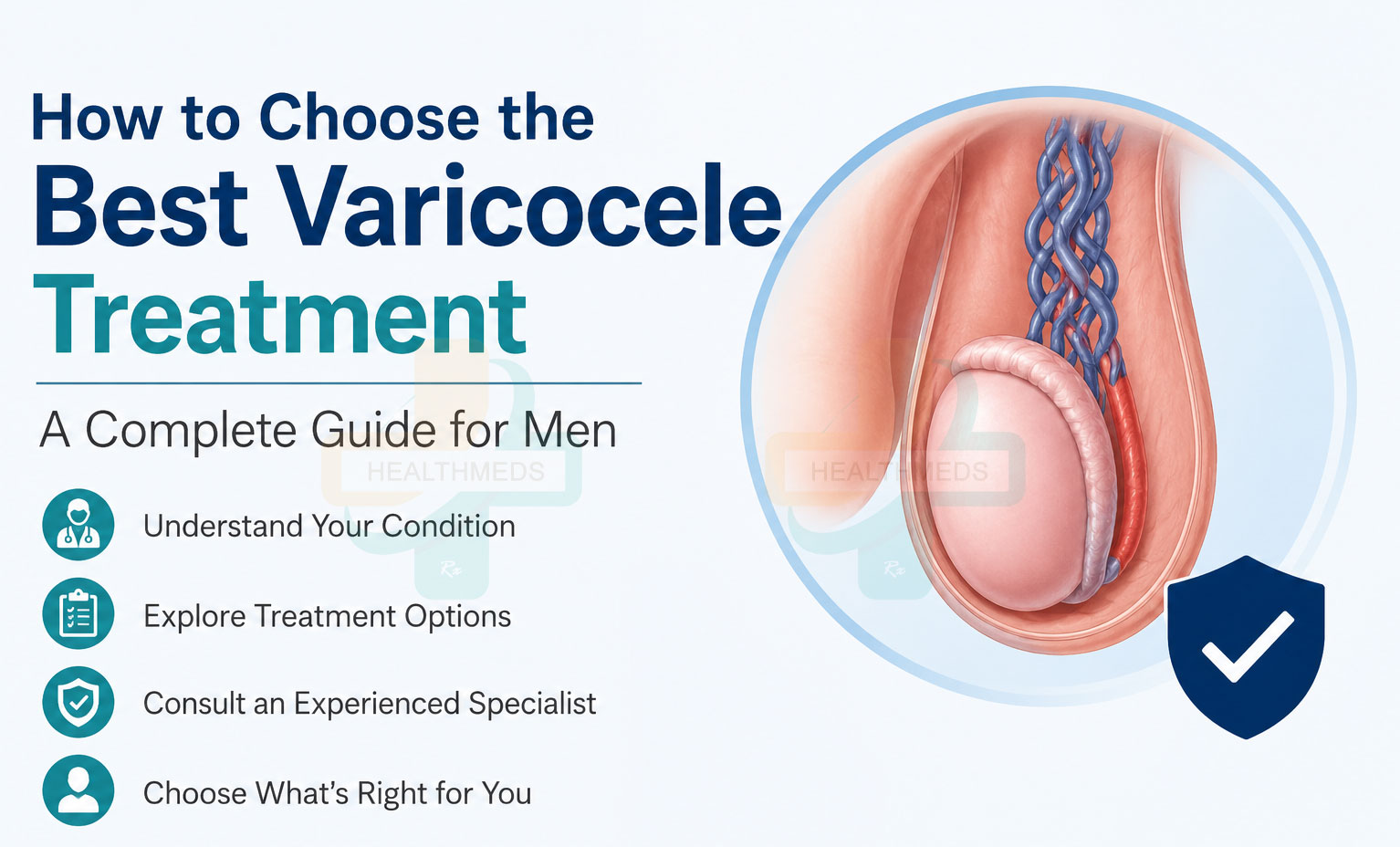

Varicocele is one of the most prevalent issues of the male reproductive system, and many men are unaware of their problems until they experience symptoms like pain or encounter fertility problems. The veins in the scrotum can become dilated from a lack of blood flow in the veins, like the dilated veins in the legs, which is known as a varicocele. Some men will not have any symptoms; others may have pain, a reduced size, or not be able to father a child.
Fortunately, there are several effective treatments available. The optimal varicocele treatment will depend on your symptoms, age, fertility goals, overall health, and the recommendations from a qualified healthcare provider. This guide will provide you with all the information you’ll need to make an educated decision.
What Is a Varicocele?
A varicocele is a swelling of veins in the pampiniform plexus (the veins that drain blood from the testicles). It usually forms on the left side, due to the vein anatomy differences, but can also form on the right side.
It is seen in about 15% of adult males and is more common in infertile men. However, the cause of most cases is not always known, but when the valves in the veins fail to work properly, the blood pools in the vein, leading to an increase in pressure, which causes the veins to enlarge.
Common Symptoms of Varicocele
Many men have no symptoms at all and find out about the condition at a routine physical check-up. Others may experience:
- A dull or aching pain in the scrotum
- Enlarged or twisted veins with a shape like a “bag of worms.
- Bulging around the testicle(s
- A pain that increases when standing or exercising
- Testicular shrinkage (atrophy
- Fertility problems
When symptoms continue or get worse, it is important to have a medical evaluation.
When Should You Seek Treatment?
Not all varicocele are a medical necessity. Treatment is usually recommended when the disease produces:
- Persistent pain
- Testicular atrophy
- Abnormal semen analysis
- Difficulty conceiving
- Delayed testicular development in adolescents
Your treatment is based on your symptoms and examination by a health care provider.
How Is Varicocele Diagnosed?
The diagnosis typically starts with a physical exam while standing and lying. Your doctor might have you do a Valsalva maneuver to make enlarged veins easier to spot by increasing pressure in your abdomen.
Additional diagnostic tests may include:
- Scrotal Ultrasound: The best imaging test to diagnose a varicocele is ultrasound. It measures enlarged veins and assesses the blood flow without causing discomfort.
- Semen Analysis: Fertility problems in men can be examined by testing their semen to assess the quality of the sperm in terms of count, motility and morphology.
- Hormone Testing: In some instances, blood tests are suggested to measure hormone levels in the reproductive system and testosterone.
Factors to Consider When Choosing Treatment
The selection of the most suitable treatment is more than just choosing a procedure. There are some factors to consider that will affect the best approach.
- Severity of Symptoms: If symptoms are mild, conservative treatment can be useful for men; if symptoms are more severe, then medical treatment may be needed, particularly if the pain is severe or the man has concerns about his fertility.
- Fertility Goals: Discussions with the health care provider should include the option of preserving fertility if pursuing a child is a future goal.
- Age: Treatment recommendations may differ for adolescents, younger adults, and older men depending on symptoms and reproductive goals.
- Overall Health: Surgery may be contraindicated, or recovery may be affected by current health issues.
- Experience of the Specialist: Leadership of an experienced urologist who has a frequent case of varicocele surgery will help in minimizing the risk and enhance the outcome.
Treatment Options
Conservative Management
If a man is not experiencing symptoms to a great degree, he might not need immediate surgery.
Conservative care may include:
- Wearing supportive underwear
- Avoiding prolonged standing
- Taking over-the-counter pain relief medications as needed
- Avoiding activities that increase pain.
Follow-up visits are helpful to keep track of the condition.
Microsurgical Varicocelectomy
It is currently believed that microsurgical varicocelectomy is considered the “gold standard” for the treatment of symptomatic varicoceles.
This is done on the operating table with the aid of a powerful microscope, where the surgeon will find and tie the enlarged veins without cutting into the arteries and lymphatic vessels.
Benefits include:
- High success rates
- Lower recurrence risk
- Reduced complication rates
- Faster recovery
- Improved fertility outcomes for many patients
Laparoscopic Surgery
Laparoscopic repair involves several small incisions and specialized equipment that is used to close affected veins.
Advantages include:
- Smaller incisions
- Short hospital stay
- Less postoperative discomfort
However, microsurgery is generally associated with lower recurrence rates.
Percutaneous Embolization
This is a procedure performed by an interventional radiologist, which is performed with minimal invasive technique.
A catheter is placed into a vein, and very small coils or special agents are placed to stop abnormal blood flow.
Potential advantages include:
- No surgical incision
- Faster recovery
- Local anesthesia in many cases
- Same-day discharge
Embolization can be effective for many patients, but is not appropriate for everyone.
Recovery After Treatment
Most men get over their treatment in just a few weeks.
The following are general recommendations for recovery:
- Rest for several days
- Wear supportive underwear
- Avoid heavy lifting temporarily
- Keep the surgical area clean
- Attend follow-up appointments
- Gradually return to exercise as advised
Over time, pain will go away, although it may take several weeks.
Can Varicocele Treatment Improve Fertility?
Numerous studies have demonstrated that correcting a clinically significant varicocele can enhance:
- Sperm count
- Sperm movement (motility)
- Sperm shape (morphology)
- Natural pregnancy rates in selected couples
But there is variation among individuals in how they improve, and fertility depends on many other factors.
Risks and Possible Complications
Treatment is generally safe but may have some complications such as:
- Infection
- Bleeding
- Fluid accumulation around the testicle (hydrocele)
- Recurrence of the varicocele
- Persistent pain
- Rare injury to nearby structures
With the help of an experienced specialist, these risks can be minimised.
Questions to Ask Your Doctor
Before choosing treatment, consider asking:
- Does she need treatment?
- What is your recommendation for the procedure and why?
- How many varicocele repairs have you done?
- What do you think are the odds of success?
- What is the recovery time?
- Will treatment increase my fertility?
- What are the issues I need to be aware of?
Communicating well can lead to better-informed decision-making.
Lifestyle Tips for Better Reproductive Health
Regardless of surgery requirements, healthy lifestyle choices can help with reproductive health.
These include:
- Maintaining a healthy weight
- Exercising regularly
- Avoiding smoking
- Limiting alcohol intake
- Eating a balanced diet rich in antioxidants
- Managing stress
- Getting adequate sleep
- Protecting the groin from excessive heat exposure
These are healthy habits that can help maintain healthy sperm production.
Choosing the best varicocele treatment begins with understanding your symptoms, fertility goals, and available medical options. While some men require only observation and symptom management, others benefit significantly from procedures such as microsurgical varicocelectomy or embolization. Early evaluation by a qualified urologist can help prevent complications, relieve discomfort, and improve reproductive health. By discussing your concerns openly with your healthcare provider and selecting a treatment plan tailored to your needs, you can take an important step toward protecting your long-term health and well-being.