

Inflammation is a natural process that is necessary and can make your body heal and protect itself. But once it is chronic, it may silently creep up on your overall health and increase the risk of chronic diseases. Learning to manage inflammation is one of the most significant things that allows one to experience long-term wellness. We will talk here about the evidence-based, practical ways of reducing inflammation through food, lifestyle, and remedies.
Understanding Inflammation
The process of inflammation belongs to the immune system of your body. Your immune system kicks into action and triggers white blood cells when you suffer an injury, infection or are exposed to harmful substances to protect and repair the tissues.
Two major types of inflammation are:
- Acute inflammation: This is a temporary and advantageous condition. It is normally a follow-up of an injury like a cut, infection, or sprain, and usually disappears once the injury has healed.
- Chronic inflammation: This is harmful and long-term. It can take months or years, and in some cases, it is symptomless.
Other severe health conditions associated with the chronic swelling process include heart disease, diabetes, arthritis and autoimmune diseases.
Inflammation is commonly caused by:
- Unhealthy nutrition (processed and sweet) foods.
- Lack of physical activity
- Chronic stress
- Smoking and alcohol use
- Environmental toxins
Symptoms of Inflammation are:
- Fatigue
- Joint pain or stiffness
- Digestive issues
- Skin problems
- Frequent infections
These signs may be detected early and thus aid you in taking measures to control swelling before it results in more serious complications.
Dietary Strategies to Fight Inflammation.
Diet can be considered one of the most helpful methods of combating swelling. Food that you take in your daily food would either inflame or it would reduce the swelling.
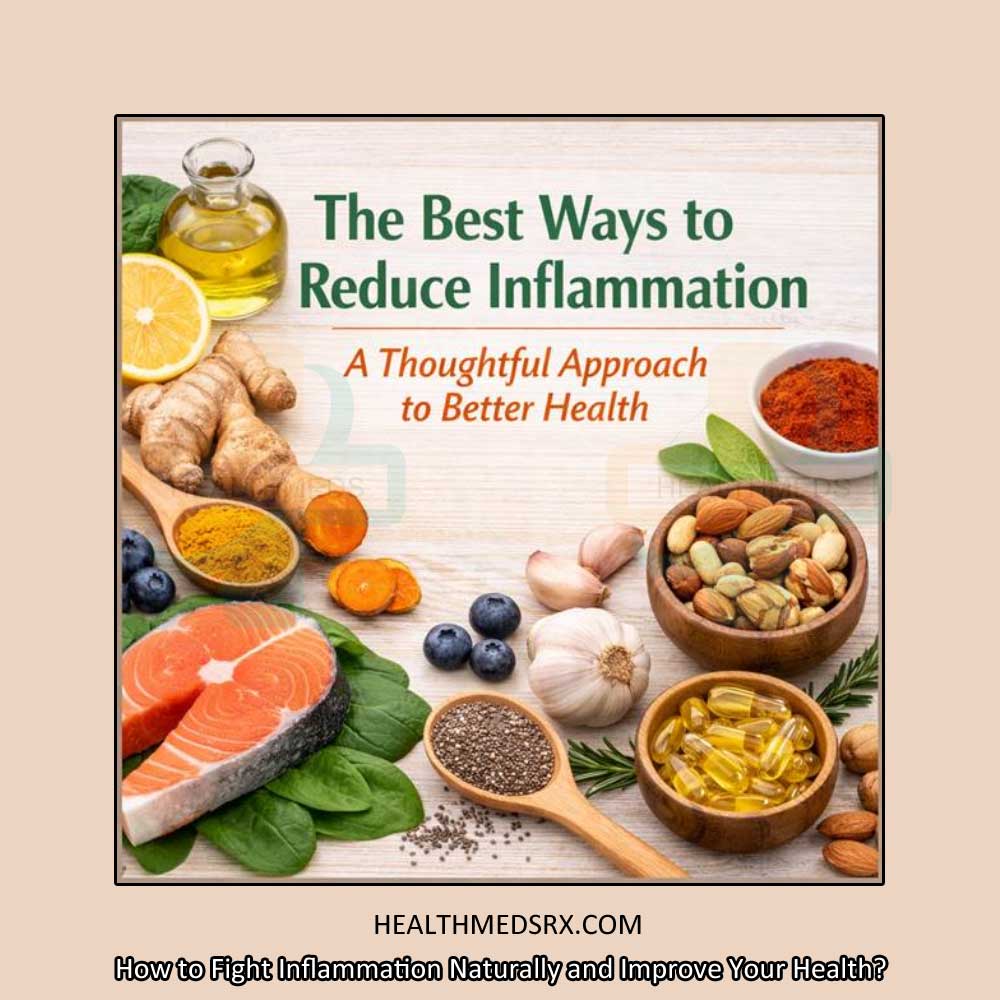
The anti-inflammatory foods that will be included are the following. The dietary consumption of whole food substances with nutrient-dense substances can significantly reduce inflammation.
- Fruits and vegetables: Fresh fruits, such as berries, and vegetables, such as vegetables such as leafy greens, tomatoes, and bell peppers, have a lot of antioxidants that help to keep cells intact.
- Omega-3 fatty acids: Omega-3s are fatty acids but can be found in fish, salmon, sardines and flaxseeds, which are good sources of healthy fats that diminish the symptoms of inflammation.
- Whole grains: Brown rice, oats and quinoa contain fibre and other nutrients, which promote gut health.
- Nuts and seeds: Walnuts, chia seeds, and almonds contain good amounts of healthy fats and antioxidants.
- Healthy oils: Olive oil is associated with anti-inflammatory properties.
The Turmeric and the Antioxidant power.
Turmeric is a golden spice that includes curcumin, which is a potent anti-inflammatory medication used in traditional medicine. It may be combined with Black pepper, which may be used to improve its absorption.
Colorful fruits and vegetables contain antioxidants that neutralize the existence of dangerous free radicals that may lead to swelling.
Foods to Avoid
Some foods may cause or aggravate swelling and must be avoided:
- Packaged food and processed food.
- Sugary drinks and snacks
- White bread contains refined carbohydrates.
- Fried and fast foods
- Excessive red meat and alcohol consumption.
One of the easiest and most effective actions for reducing inflammation is making mindful food choices.
Lifestyle Changes that Reduce Inflammation
Besides diet, daily habits are also important in the management of swelling.
Physical Activity
Exercise boosts the normalization of the immune system and lowers inflammatory cues. Even moderate physical activity is a difference.
- Spend at least half an hour per day or so on exercise.
- special activities are yoga, swimming, cycling and walking.
Frequency is more applicable when it comes to the decrease of swelling, not intensity.
Stress
Chronic stress is a significant cause of inflammation. In the case of persistent stress hormones, they may induce systemic swelling.
Some of the effective methods of dealing with stress are:
- Meditation and mindfulness
- Deep breathing exercises
- Spending time in nature
- Engaging in hobbies
Relaxation is not a luxury; it is a necessity for your health.
Sleep
Lack of sleep may increase inflammatory markers and compromise immune function.
Tips to improve sleep:
- Keep a regular sleeping schedule.
- Avoid screens before bed
- Darken and silence your bedroom.
- Reduce the caffeine consumption in the evening.
With good sleep of 7-9 hours a night, the body is able to conduct its natural repair processes.
Smoking and Alcohol
Smoking subjects the body to toxins, which favor inflammation. On the same note, excessive alcohol consumption can also lead to tissue destruction and inflammation.
A smoking cessation and moderate drinking could be the steps that could lead to the enhancement of well-being and a decrease in swelling.
The Use of Supplements and Natural Remedies
The Use of Supplements and Natural Remedies.
Although the former is a healthy diet, there are supplements and natural treatments that might be beneficial to this first choice.
Commonly used Anti-Inflammatory Supplements.
- Curcumin supplements: Turmeric in large doses, which works in the process of reducing inflammation.
- Fish oil pills: they are a source of omega-3 fatty acids, which reduce an inflammatory marker.
- Ginger extract: It is a known extract, which is proven to possess anti-inflammatory action and diuretic effects.
- Magnesium and vitamin D: Strengthen the immune system and reduce swelling.
Herbal Remedies
Several centuries have passed since natural herbs have been used to control inflammation:
- Ginger tea as a treatment for joints and digestion.
- Green tea is a source of antioxidants.
- Garlic for immune support
It is necessary to add that you should never take any supplement without consulting a medical practitioner, particularly in case you have any health conditions or take any medication.
Frequently Asked Questions on Inflammatory Reduction.
-
How can the process of reducing inflammation be the fastest?
- The best route is by adopting an anti-inflammatory diet, fluid consumption, rest and light exercises. By not taking processed foods and sugar, quick improvements will be realized.
-
Which are the most suitable foods for decreasing inflammation?
- Antioxidants found in berries, leafy greens, fatty fish, nuts, olive oil, and omega-3 fatty acids are very effective.
-
Does water help with the prevention of inflammation?
- Yes, it is good to have water in the system to flush the toxins out of the organism and, in general, flush the cells that, in turn, may remove the swelling.
-
Does exercise prevent inflammation or not?
- Moderate intensity exercise prevents inflammation. But it is temporarily elevated by stress or hard physical exercise without rest.
-
Do you need supplements to reduce inflammation?
- Not always. The majority of nutrients might be obtained in a balanced diet. Different supplements may be utilized; however, they should be used with professional advice.
-
What is the duration of time taken for swelling to be reduced naturally?
- It depends on one individual to another. Others can see results in a few weeks, whereas others may take more time, based on their lifestyle and health conditions.
All the treatment of inflammation is aimed at leading a healthier lifestyle, and it benefits your body internally. The real benefit of taking such measures is that, in addition to eliminating the chance of developing chronic disease, you also enhance your health and energy levels in later years.