
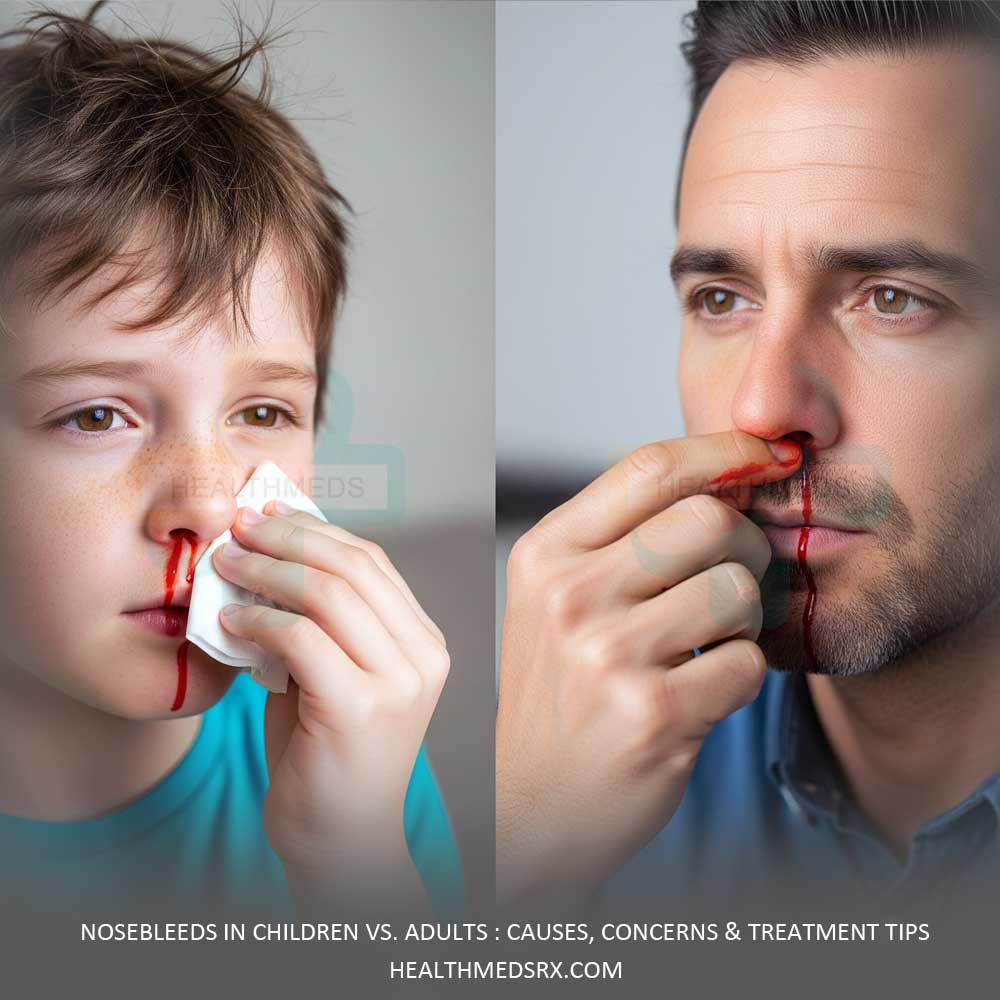

A nosebleed, medically known as epistaxis, occurs when blood vessels inside your nose break and bleed. This common medical condition affects up to 60% of people during their lifetime, with distinct patterns between children and adults.
Children aged 2-10 experience nosebleeds most frequently, often due to simple causes like nose picking or dry air. Adults face different triggers, ranging from high blood pressure to blood-thinning medications.
Understanding these age-specific differences is crucial for:
- Identifying the root cause of bleeding
- Applying appropriate first-aid techniques
- Recognizing when medical attention is needed
- Preventing future episodes
This guide breaks down the essential differences between nosebleeds in children and adults, equipping you with practical knowledge for handling these situations effectively.
Understanding Nosebleeds: Basics and Types
1. Anterior Nosebleeds
- Occur in the front part of the nose
- Blood flows from one nostril
- Account for 90% of all nosebleeds
- Most common in children aged 2-10
2. Posterior Nosebleeds
- Originate deeper in the nasal cavity
- Blood often flows down the throat
- Can affect both nostrils simultaneously
- More prevalent in adults over 50
Anterior nosebleeds typically respond well to home treatment, while posterior nosebleeds often require medical intervention. Children experience anterior nosebleeds 95% of the time, making them easier to manage at home.
Causes of Nosebleeds in Children and Adults
Common Environmental Triggers
- Dry air from heating systems or arid climates
- Low humidity levels, especially during winter months
- Air pollution and irritants
- Temperature changes between indoor and outdoor environments
Child-Specific Causes
- Nose picking (most common cause in young children)
- Aggressive nose blowing
- Inserting foreign objects into nostrils
- Sports injuries and playground accidents
- Upper respiratory infections
- Seasonal allergies causing nasal inflammation
- Certain medications like nasal steroids
- Direct trauma from falls or accidents
Adult-Specific Triggers
- High blood pressure (uncontrolled hypertension)
- Blood-thinning medications:
- Aspirin
- Warfarin
- Novel oral anticoagulants
- Chronic sinusitis
- Deviated septum
- Nasal polyps
- Chemical irritants in workplace environments
Medical Conditions Affecting Adults
- Liver disease affecting blood clotting
- Kidney disease
- Blood disorders
- Cancers affecting blood cell production
- Alcohol use
- Cocaine use
- Cardiovascular diseases
Age-Related Factors
- Children: Delicate blood vessels near nose surface
- Adults: Blood vessel deterioration with age
- Elderly: Increased fragility of nasal blood vessels
Lifestyle Influences
- Smoking (both active and passive)
- Excessive alcohol consumption
- Poor dietary habits affecting blood vessel health
- Lack of proper nasal hygiene
- Strenuous physical activities causing blood pressure spikes
Symptoms and Presentation Differences Between Children and Adults with Nosebleeds
Characteristics of Children’s Nosebleeds
Children’s nosebleeds display distinct characteristics:
- Blood typically flows from a single nostril
- Bright red blood in small to moderate amounts
- Quick onset with visible external blood flow
- Often stops within 10 minutes with proper pressure
Characteristics of Adult’s Nosebleeds
Adult nosebleeds present differently:
- Blood may flow from both nostrils simultaneously
- Darker blood suggesting deeper source
- Potential drainage down the back of the throat
- Variable blood flow rates, from minimal to heavy
Key Distinguishing Features
Here are some key features that differentiate between anterior and posterior bleeds:
Anterior Bleeds (Common in Children)
- Visible bleeding point near nostril entrance
- Easy identification of source
- Manageable with direct pressure
Posterior Bleeds (More Common in Adults)
- Blood draining down throat
- Difficulty locating exact source
- May require medical intervention
- Associated with higher blood loss risk
When to Seek Medical Attention
The presence of clotting, dizziness, or pale skin requires immediate medical attention in both age groups. Blood pressure monitoring becomes essential for adult cases, particularly with bilateral bleeding patterns.
First Aid for Nosebleeds: What to Do for Both Children and Adults
Here’s your step-by-step guide to manage a nosebleed:
1. Stay Calm and Sit Upright
- Position yourself or the affected person in a sitting position
- Keep the head above heart level
2. Apply Direct Pressure
- Locate the soft part of the nose below the nasal bridge
- Pinch firmly with thumb and index finger
- Hold pressure continuously for 10-15 minutes
- Resist checking if bleeding has stopped during this time
3. Additional Measures
- Breathe through the mouth while pressure is applied
Important Don’ts:
- Don’t lie flat
- Don’t tilt head backward
- Don’t stuff tissues or cotton into nostrils
These first aid steps work effectively for both children and adults. The key difference lies in helping children stay calm and ensuring they maintain the correct position throughout the process.
When to Seek Medical Attention for Nosebleeds: Indicators for Urgent Care in Children and Adults
While most nosebleeds can be managed at home, certain situations require immediate medical attention. Here are the critical signs that indicate an emergency for nosebleed:
- Bleeding continues after applying proper first aid for 20 minutes
- Blood loss appears heavy or causes light headedness
- Bleeding occurs after significant facial trauma or head injury
- Blood flows from both nostrils simultaneously
- Nosebleeds happen multiple times per week
Additional warning signs include:
- Difficulty breathing during the nosebleed
- Skin appears pale or bluish
- Coughing or vomiting blood
- Other bleeding sites on the body
- Recent start of new medications, particularly blood thinners
Children need immediate medical evaluation if they:
- Show signs of significant blood loss
- Have inserted a foreign object in their nose
- Experience recurring nosebleeds without apparent cause
- Develop bruising around the eyes or nose area
Adults should seek urgent care if they:
- Have high blood pressure during the nosebleed
- Experience changes in heart rate
- Notice unusual bruising or bleeding elsewhere
- Have recently started blood-thinning medications or are using treatments like filgrastim injection.
Treatment Options Beyond First Aid: Medical Interventions for Severe Nosebleeds in Children and Adults
Medical professionals employ several specialized treatments for severe nosebleeds that don’t respond to basic first aid:
1. Chemical Cauterization
- Silver nitrate application to seal bleeding vessels
- Quick, minimally invasive procedure
- Performed under local anesthesia
- Particularly effective for anterior nosebleeds in children
2. Electrical Cauterization
- Uses electrical current to heat and seal blood vessels
- Requires specialized equipment
- More commonly used in adults
- Longer-lasting results than chemical cauterization
3. Nasal Packing Options
Anterior Packing
- Absorbable materials placed in front nasal cavity
- Removal within 24-72 hours
- Common in both age groups
Posterior Packing
- Reserved for severe bleeding cases
- Requires hospital admission
- More frequent in adult patients
- Monitored for complications
4. Advanced Interventions
- Endoscopic arterial ligation
- Embolization procedures
- Typically reserved for recurring adult cases
- Rare necessity in pediatric patients
These medical treatments require professional evaluation to determine the most appropriate intervention based on bleeding severity, location, and patient age.
Preventive Measures Tailored to Children and Adults: Strategies to Reduce the Risk of Nosebleeds
Children-Specific Prevention
- Keep fingernails trimmed to minimize damage from nose picking
- Teach gentle nose-blowing techniques
- Use child-safe nasal saline sprays to maintain moisture
- Apply petroleum jelly to the inside of nostrils using a cotton swab
Adult-Focused Prevention
- Monitor blood pressure regularly
- Stay hydrated by drinking adequate water
- Use nasal moisturizing gels or sprays
- Avoid smoking and limit alcohol consumption
Environmental Controls for All Ages
- Install humidifiers in bedrooms – aim for 30-50% humidity
- Avoid excessive heat from indoor heating systems
- Use air filters to reduce airborne irritants
- Keep indoor temperature moderate (68-72°F)
Lifestyle Adjustments
- Wear protective gear during sports activities
- Practice proper nasal hygiene
- Avoid forceful nose blowing
- Use soft tissues instead of rough paper products
Dietary Considerations
- Include foods rich in Vitamin K and C
- Consume adequate zinc-containing foods
- Stay hydrated with water throughout the day
- Limit caffeine intake
Summary
Children’s nosebleeds usually happen due to simple reasons like dry air or nose picking, leading to front nosebleeds that can be treated with basic first aid. On the other hand, adult nosebleeds might indicate underlying health issues, requiring closer medical attention.
Key takeaways for managing nosebleeds:
- Sit upright and lean forward
Seek immediate medical care if you experience:
- Bleeding lasting over 20 minutes
- Heavy blood loss
- Frequent unexplained episodes
- Nosebleeds accompanied by other concerning symptoms
By understanding these age-specific differences, you can respond appropriately to nosebleeds and ensure proper care when necessary. Remember: most childhood nosebleeds are harmless, while adult cases may require medical evaluation to rule out serious conditions.