
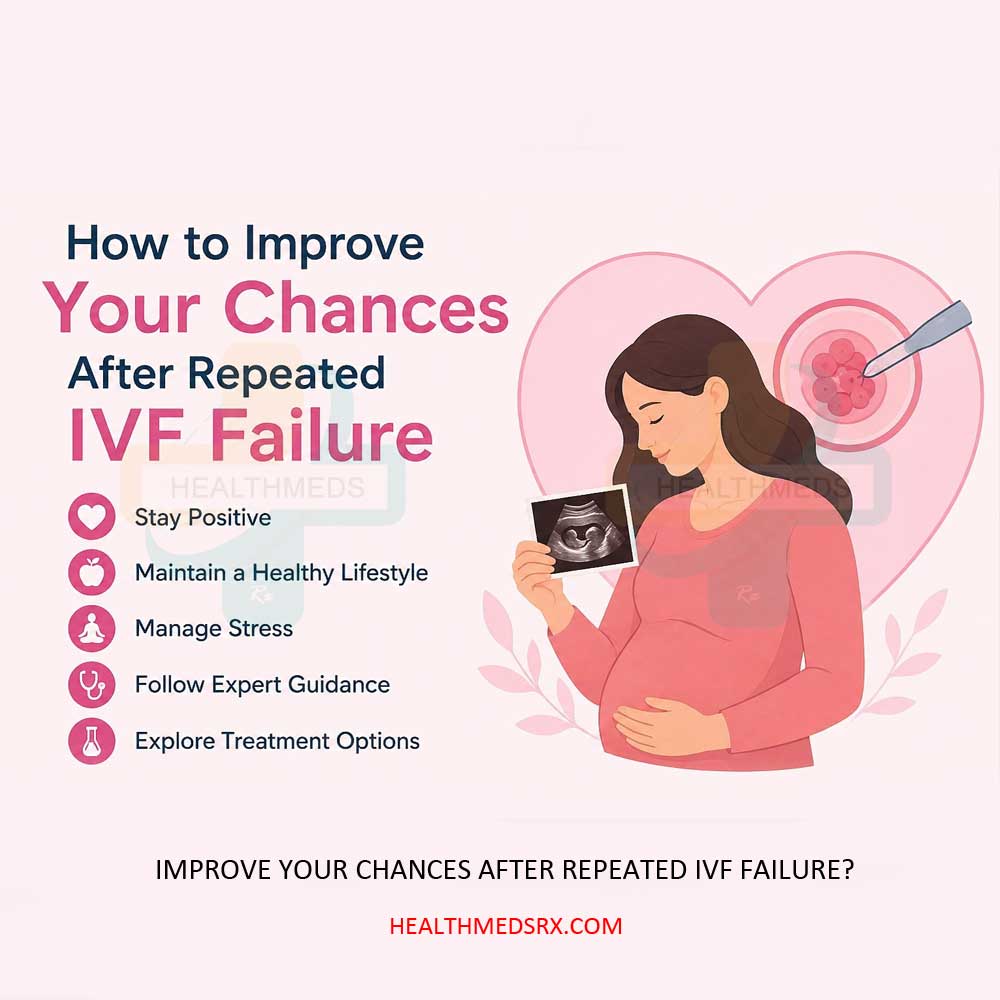

Several unsuccessful IVF treatments can be emotionally draining and contribute to stress for a couple. For most couples, the process of attempting to become parents through fertility treatment brings with it a lot of hope, effort and money, and when these attempts are unsuccessful, it can cause a lot of frustration, doubt and anxiety for couples to continue the process of getting pregnant.
Thankfully, a couple’s fertility journey doesn’t have to come to a halt after a couple of IVF failures. There are lots of couples who’ll find that they’re able to conceive whenever they look for a way to solve their problems at the time they initially attempted to conceive.
With the advances of modern fertility medicine, more options are available for a couple to improve their chances of having a child through IVF after a series of failed attempts, such as improving the diagnosis technology, treatment protocols, and supportive treatment alternatives. Determining these causes and what can be done to increase the chances of becoming a parent can help couples to make informed decisions about their future fertility options.
What Is Repeated IVF Failure?
Multiple failures in IVF (in vitro fertilization) usually refer to several failed attempts at implanting embryos into women who have had minimal or no other unsuccessful implantation (or pregnancy) in a prior IVF cycle. Multiple failures can be defined in a variety of ways by fertility specialists based on age, egg and/or embryo quality and having other pertinent medical conditions, but most consider two or more failed IVF cycles to be multiple failures.
Numerous factors can cause failure of implantation or pregnancy (before, during and after) – including, but not limited to, biological, hormonal, genetic and/or material (environmental).
Common Causes of Repeated IVF Failure
The fundamental cause is a component of achieving future improvement of IVF success rates.
Poor Embryo Quality
The quality of an embryo will dictate whether an IVF treatment results in a live birth or not. Chromosome defects may lead to incorrect embryo implantation and an enhanced risk of miscarriage.
Maternal age affects the quality of a woman’s eggs. After the age of 35 years, the chances will increase, and there will be a chromosomal abnormality within any eggs produced.
Implantation Problems
Even healthy embryos cannot implant if the uterine lining does not allow for implantation to take place. Several reasons for problems with implantation can be attributed to inflammation, hormonal imbalances, and structural issues that affect the proper functionality of the uterus.
Problems with implantation occur when the following are present:
- Thin endometrial lining
- Uterine polyps
- Fibroids
- Scar tissue
- Chronic endometritis
Hormonal Imbalances
Hormones are important in controlling the processes of ovulation, embryo growth and uterine implantation. Any thyroid hormone production problem, insulin resistance or progesterone hormone deficiency can disrupt the chances of achieving a successful pregnancy.
Endometriosis
Endometriosis can impact fertility by influencing the quality and amount of egg production, the shape of the pelvis and by causing uterine inflammation.
Polycystic Ovary Syndrome (PCOS)
PCOS is an endocrine condition that may cause some irregularities in ovulation and hormone levels in the body, making it harder to get pregnant.
Male Fertility Factors
Sperm quality affects the development of embryos. Reduced sperm motility, sperm DNA damage and low sperm counts may all be responsible for failed IVF attempts.
Immune System and Blood Clotting Disorders
Other diseases, such as immune diseases and blood-clotting disorders, can interfere with the process of implantation and with the early development of the first trimester of pregnancy.
Lifestyle Factors
Some unhealthy habits will negatively affect general health, which will also impact fertility and the success of IVF.
Steps to Improve IVF Success After Failure
Although repeated IVF failure can feel discouraging, several strategies may help improve future outcomes.
Seek a Detailed Fertility Evaluation
If you have experienced recurrent IVF failures, it may be beneficial to obtain a complete evaluation of your fertility status. Evaluating the cause of infertility, it can help pinpoint any underlying issues that are interfering with implantation or embryo growth.
Doctors may recommend:
- Hormone testing
- Genetic screening
- Uterine imaging
- Hysteroscopy
- Sperm DNA testing
- Endometrial receptivity analysis
Once your doctor has determined what causes your infertility, they can customize your treatment more accurately.
Consider Genetic Testing of Embryos
PGT Testing should be considered before implanting embryos via IVF. PGT enables identifying the embryo(s) that have the correct number of Chromosomes, thus increasing the potential for a successful implantation and reducing the risk of miscarriage if pregnancy does occur.
A physician may recommend PGT if you:
- Women over 35
- Have experienced repeated IVF failures;
- Recurrent pregnancy loss
- Known genetic conditions
Improve Egg and Sperm Health
The quality of your eggs and your partner’s sperm is needed to create a healthy embryo. Making lifestyle modifications for a period of two to three months before beginning your IVF treatment could improve both of your overall reproductive health.
Helpful habits include:
- Eating nutrient-rich foods
- Exercising regularly
- Maintaining a healthy weight
- Avoiding smoking and alcohol
- Reducing processed foods
- Managing stress levels
- Sleeping adequately
Certain supplements may also support fertility under medical supervision.
Manage Stress and Emotional Health
If your IVF cycle fails repeatedly, then you will likely experience emotional trauma, anxiety, and possibly depression. Additionally, long-term stress can impact hormonal balance and overall health.
Counselling, support groups, meditation, mindfulness or therapy may help couples cope with emotional stress throughout the fertility process.
Receiving emotional support from a partner, family, and fertility professional(s) will help reduce the emotional impact of IVF on the couple.
Optimise Uterine Health
Improving the uterus may help increase the success of embryo implantation.
The physician may recommend treatments for uterine conditions, such as:
- Fibroids
- Polyps
- Uterine adhesions
- Chronic inflammation
- Hormonal imbalance
A healthy uterine lining increases the likelihood of successful implantation of an embryo.
Review Previous IVF Protocols
Sometimes modifying the IVF treatment plan may improve results. Fertility specialists may adjust:
- Dosages of the medications
- Ovarian stimulation protocol
- Timing of embryo transfers
- Fresh versus frozen embryo transfer strategy
New treatment protocols will provide a greater chance for IVF success if they are based on a careful analysis of previous cycles.
Frozen Embryo Transfer (FET)
Some patients may have a better success rate with frozen embryo transfer because the patient’s hormone levels will be more stable at the time of implantation, resulting in a natural response by the body.
In some scenarios, frozen embryo transfers will improve uterine receptivity.
Address Underlying Medical Conditions
Addressing any chronic medical conditions may increase the chances of success for a couple undergoing fertility treatments.
Some of the medical conditions that will require proper management include:
- Type 2 Diabetes
- Thyroid Disease
- Autoimmune Diseases
- Obesity
- Hypertension
When you are healthy overall, your body is more capable of maintaining and carrying a baby.
The Role of Nutrition in Fertility
A diet that contains a lot of nutrients can have a tremendous impact on reproductive health. A variety of nutrient-rich foods can help maintain your hormones at a balanced level, produce quality eggs, and maintain a healthy uterus.
Here are some key nutrients that contribute to fertility:
- Folic acid
- Iron
- Omega-3 fatty acids
- Vitamin D
- Antioxidants
- Protein
- Zinc
Eating a Mediterranean-style diet that includes lots of fruits and vegetables, whole grains, healthy fats, and lean proteins can be used to help with natural fertility.
Sleep and Fertility Health
Poor sleeping habits can cause problems with hormone production and levels of stress; therefore, a consistent sleeping routine will enhance your reproductive health and contribute to a healthy body.
Fertility experts often recommend:
- 7–9 hours of quality sleep
- Limiting screen time before bed
- Maintaining regular sleep schedules
- Reducing caffeine intake late in the day
Exercise and Fertility
Moderate physical activity promotes circulation, assists with weight control, and helps keep your hormones balanced. However, an excessive amount of rigorous exercise could harm ovulation in some women.
Engaging in gentle physical activity, such as walking, yoga, swimming, or stretching, can help to promote your fertility without causing excessive stress to your body.
Alternative Supportive Therapies
Some people look at alternative or complementary therapies to help them with their fertility as a complement to their medical therapies.
Some common forms of complementary therapies include:
- Acupuncture
- Yoga
- Meditation
- Massage therapy
- Nutritional counseling
Although these therapies are not intended to replace IVF, they may be helpful for reducing stress and promoting good overall health.
Staying Positive After IVF Failure
Repeated IVF failure can create feelings of hopelessness, but many successful pregnancies occur after previous unsuccessful cycles. Advances in reproductive medicine continue to improve fertility outcomes through better diagnostics, embryo selection, and individualized treatment approaches.
Open communication with fertility specialists is essential. Asking questions, understanding treatment options, and staying informed may help couples feel more confident during future IVF attempts.
When to Consider Additional Options?
Some couples will look at other options for growing their family if, after completing several cycles of IVF, they have not had success.
Other family-building options include:
- Donor eggs
- Donor sperm
- Gestational surrogacy
- Adoption
Every couple’s journey to grow their family is different, and there is no one path that will be the best option for them based on either emotional, personal or medical reasons.
 Final Thoughts
 Final Thoughts
When IVF fails repeatedly, it can be a very emotional affair, but it doesn’t mean that a couple will never become pregnant. The success of an IVF cycle depends on many factors, including the quality of the embryo, size and health of the uterus, hormone levels, age, genetic makeup, lifestyle and general health.
Couples have opportunities to improve their chances of becoming pregnant in future IVF cycles by determining whether there are underlying issues, by improving their reproductive health, by working to reduce their stress levels, and by working with their fertility doctor.
Couples with problems such as endometriosis or polycystic ovaries may need specialist treatment to help them get through this, but with the development of reproductive treatment, there will be various options available for them.
With repeated IVF failure, patience, emotional support, healthy lifestyle changes and individual-tailored fertility treatments are often a strong force in the road to moving forward.