
How Long Do Organs Remain Functional After Death?

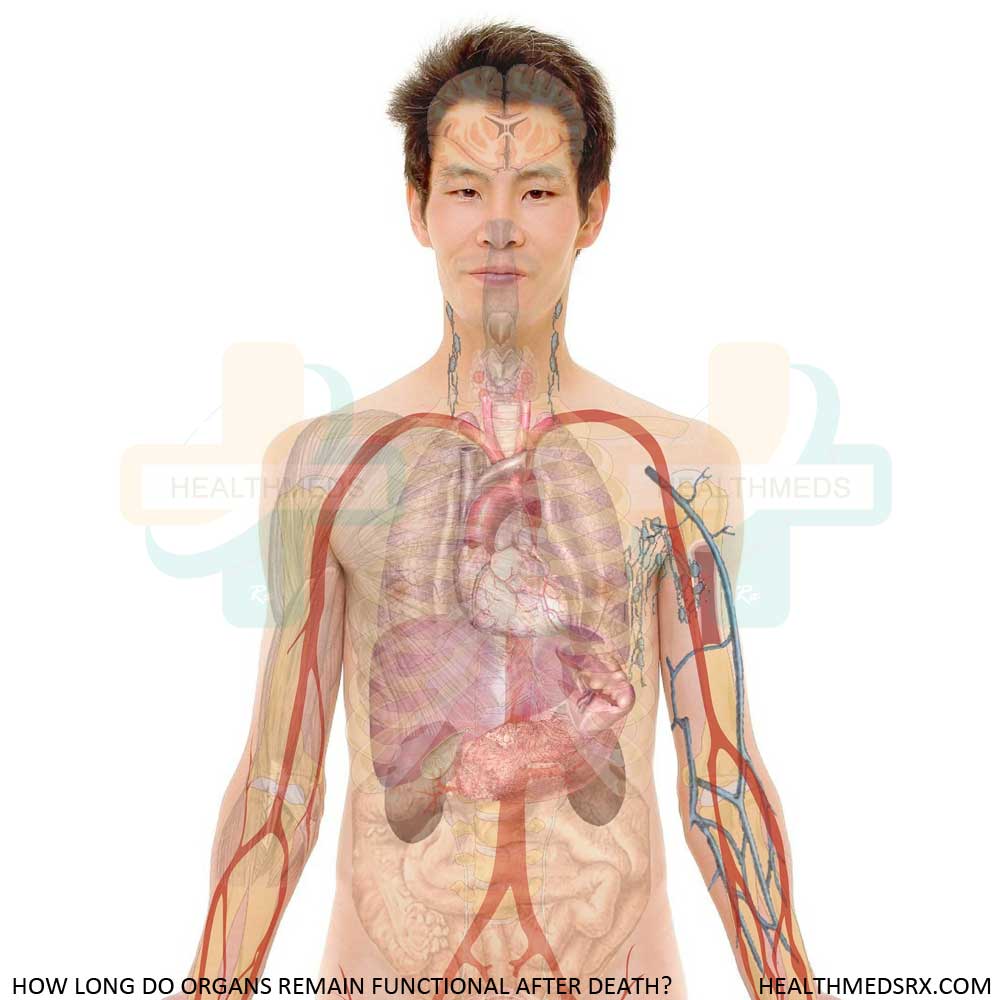
Understanding how long organs can remain viable after death is crucial for successful transplantation procedures. Every year, thousands of lives are at stake as medical professionals work tirelessly to match donors with recipients and transport organs within their usable timeframes.
Over the past few decades, the science behind preserving organs has significantly advanced. With the introduction of improved preservation solutions, mechanical perfusion systems, and innovative cooling methods, the possibilities for successful transplants have greatly increased. These technological advancements have provided medical teams with valuable extra hours to carry out life-saving procedures.
Ongoing research continues to explore ways to extend organ viability after death, bringing hope to the 250,000+ patients currently awaiting transplants in the United States alone. The ability to prolong organ function post-mortem directly leads to more lives saved through successful transplantation surgeries.
Understanding Organ Functionality After Death
Organ functionality refers to the ability of organs to perform their specific biological tasks – from the heart pumping blood to the kidneys filtering waste. This functionality relies on a complex network of cellular processes that require oxygen and nutrients to maintain tissue viability.
At the moment of death, these vital processes begin to deteriorate in a specific sequence:
- 0-4 minutes: Brain cells start dying
- 4-10 minutes: Heart muscle cells begin deteriorating
- 15-30 minutes: Liver and kidney cells start breaking down
- 1-2 hours: Widespread cell death accelerates
The biological cascade triggered by death includes:
- Oxygen depletion in tissues
- Build-up of toxic metabolites
- Cell membrane breakdown
- Release of destructive enzymes
These changes directly impact transplant success rates, making rapid organ preservation crucial. Modern medical techniques can slow this deterioration through:
- Rapid cooling of organs
- Special preservation solutions
- Mechanical perfusion systems
- Controlled oxygenation
Understanding these biological processes helps medical teams maximize the window of opportunity for successful organ recovery and transplantation. For instance, advancements in organ preservation techniques are significantly improving outcomes. These methods include the use of specialized preservation solutions, which play a crucial role in maintaining organ viability post-mortem.
Additionally, research into mechanical perfusion systems is providing new avenues for enhancing organ preservation. Understanding these biological processes not only aids in maximizing the window for successful organ recovery and transplantation but also sheds light on the intricate balance of cellular functions that sustain life, as detailed in various scientific studies available on platforms like NCBI.
Viability of Different Organs After Death
Different organs can function for different lengths of time after death, which creates unique challenges for transplant teams. Each organ needs specific handling and preservation techniques to make sure it stays viable for as long as possible.
1. Heart and Lungs
The heart and lungs present the most time-critical scenario in organ transplantation. These vital organs remain viable for 4 to 6 hours after removal from the donor’s body, creating a race against time for medical teams.
Factors affecting heart and lung viability:
- Temperature control: Organs must be kept at precise temperatures to prevent tissue damage
- Preservation solution: Special solutions help maintain cellular integrity
- Oxygen requirements: Both organs need continuous oxygen supply even during transport
- Time sensitivity: Every minute counts in the preservation window
The limited viability window creates specific challenges:
- Coordinating surgical teams across different hospitals
- Managing transportation logistics, including air travel
- Ensuring recipient preparation aligns with organ arrival
- Handling unexpected delays or complications
Heart and lung transplants require precise timing between:
- Donor organ retrieval
- Transportation to recipient location
- Recipient surgical preparation
- Actual transplant procedure
Medical teams use specialized preservation systems to maintain organ function during transport. These systems include:
- Mechanical perfusion devices
- Temperature-controlled storage units
- Real-time monitoring equipment
- Advanced preservation solutions
The success rate of thoracic organ transplants directly correlates with minimizing the time between removal and transplantation. Surgical teams work within strict protocols to ensure the fastest possible transfer while maintaining organ integrity.
Recent developments in preservation technology have pushed the boundaries of viability duration, but the 4-6 hour window remains the standard for optimal outcomes in heart and lung transplantation.
2. Liver
The liver stands out among transplantable organs with its remarkable 8 to 12-hour viability window after death. This extended timeframe creates significant advantages for medical teams coordinating liver transplants compared to heart and lung procedures.
The liver’s resilience allows for:
- Detailed tissue matching between donor and recipient
- Cross-country transportation when necessary
- Thorough preparation of both surgical teams and facilities
The liver’s unique regenerative properties contribute to its longer viability period. A healthy liver can regrow to its full size from just 25% of its original mass, making it exceptionally suitable for transplantation. This characteristic enables surgeons to perform split-liver transplants, where a single donor liver can benefit two recipients.
Recent research has identified specific cells that maintain and repair the liver, further highlighting the organ’s remarkable resilience.
Medical teams can maintain liver viability through specialized preservation solutions and controlled cooling techniques. These methods help prevent cellular damage and preserve the organ’s essential functions during the critical transport period between donor and recipient.
3. Kidneys
Kidneys are unique among organs in that they can still function for 24 to 36 hours after death. This extended period of viability opens up valuable opportunities for successful transplantation procedures.
The longer lifespan of kidneys brings significant advantages for transplant logistics:
- Detailed tissue matching between donor and recipient
- Cross-country organ transportation
- Thorough medical evaluations
- Preparation of recipients for surgery
Patients awaiting kidney transplants benefit from dialysis support during the waiting period. This life-sustaining treatment allows medical teams to:
- Maintain patient health while searching for suitable donors
- Optimize timing of transplant procedures
- Ensure recipients are in ideal condition for surgery
The kidney’s remarkable ability to survive outside the body has led to higher success rates in transplantation procedures. Medical centers can perform comprehensive compatibility tests, reducing rejection risks and improving long-term outcomes for recipients.
Recent preservation techniques have pushed these time limits even further, with specialized storage solutions maintaining kidney tissue integrity beyond traditional thresholds.
Recent Advancements in Organ Preservation Techniques
Medical science has made significant strides in extending organ viability through innovative preservation methods. Research teams have successfully restored cellular function in organs after cardiac arrest, pushing the boundaries of what’s possible in transplant medicine.
Ground breaking Technique: Perfusion with Oxygenated Fluid
A ground breaking technique called perfusion with oxygenated fluid has shown remarkable results in organ preservation. This method involves:
- Continuous circulation of oxygen-rich fluid through the organ
- Temperature-controlled environment maintenance
- Real-time monitoring of organ function
- Nutrient delivery to maintain cellular health
Studies conducted at Yale University demonstrated the restoration of cellular function in pig organs more than an hour after death. The research team used a specialized solution called OrganEx, which prevented cell death and preserved organ integrity far beyond traditional time limits.
Other Promising Preservation Technologies
Other promising preservation technologies include:
- Machine perfusion systems – Automated devices that maintain organ function outside the body
- Hypothermic preservation – Controlled cooling techniques to slow cellular metabolism
- Normothermic preservation – Maintaining organs at body temperature with continuous perfusion
These advancements have direct implications for transplant success rates. Preservation techniques now allow medical teams to:
- Assess organ viability more accurately
- Transport organs across longer distances
- Optimize organ function before transplantation
- Reduce the risk of post-transplant complications
Research continues to explore new preservation methods, with scientists working on extending viable preservation times even further through emerging technologies and improved understanding of cellular biology.
Factors Influencing Organ Viability After Death
The cause of death plays a crucial role in determining organ viability for transplantation. Different scenarios create varying conditions that affect organ preservation:
1. Trauma-Related Deaths
- Organs from trauma victims often remain viable due to their previously healthy state
- Sudden deaths preserve organ function better than prolonged illness
- Physical damage to specific organs may limit donation options
2. Natural Causes and Disease
- Chronic illnesses can compromise organ quality before death
- Age-related deterioration affects transplant suitability
- Infections or systemic conditions might render organs unsuitable
3. Time-Critical Factors
- Warm ischemia time (period without blood flow at body temperature) directly impacts viability
- Cold preservation methods must be initiated promptly
- Each hour delay increases the risk of organ damage
4. Environmental Conditions
- Temperature exposure after death affects preservation
- Access to proper medical facilities impacts recovery timing
- Transportation conditions influence organ sustainability
Medical teams assess these factors through detailed medical history reviews and physical examinations. They use specialized testing to evaluate organ function and determine suitability for transplantation. The combination of cause of death and time elapsed creates a unique profile for each potential donor, guiding medical professionals in their decision-making process.
The Future of Organ Transplantation: A Hopeful Outlook
Recent research breakthroughs in organ preservation are paving the way for a new era in transplant medicine. Scientists are working on innovative techniques to extend the time organs can remain viable:
- Perfusion Technology: Advanced systems maintain organs at optimal conditions, potentially doubling current preservation times
- Cryopreservation Research: Studies explore methods to safely freeze and store organs for extended periods
- Artificial Organ Development: 3D printing and bioengineering create viable organ alternatives
- Gene Editing: CRISPR technology shows promise in reducing organ rejection rates
These advancements have the potential to significantly improve transplant success rates and save numerous lives. By combining better preservation methods with emerging technologies, we can envision a future where organ shortages are less severe and restrictions on transplant timing are eased.