
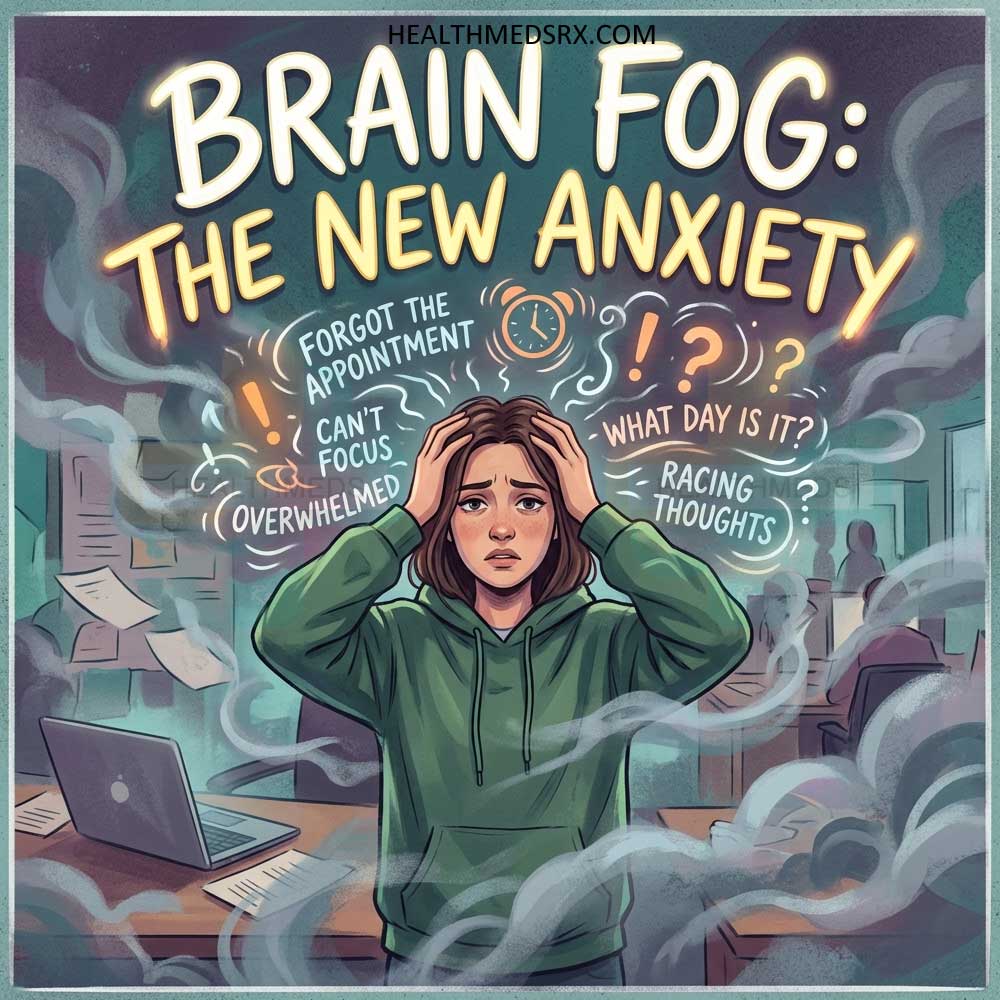

The mental health conversation continues to expand in recent years. Terms such as anxiety, depression and burnout have entered our common vernacular. Another still-developing condition and one that continues to gain momentum is known by the term ‘brain fog.’ Unlike clinical disorders, brain fog is not classified as a diagnosis defined by a medical professional, but tens of millions of individuals suffer daily from its manifestations.
Brain fog typically describes feelings of confusion, forgetfulness, lack of attention or concentration and general feelings of fatigue associated with mental effort. Many people characterize brain fog as a new epidemic. But does that mean brain fog is merely a by-product or symptom of other issues? Or is brain fog becoming an independent mental health disorder similar to anxiety in its prevalence and scope?
What Is Brain Fog? Understanding the Basics
Brain fog refers to a collection of cognitive deficiencies that can impede one’s ability to function on a daily basis; people suffering from brain fog experience many cognitive problems including:
- Trouble focusing
- Forgetfulness
- Slowed thought process
- Tiredness
- Unclear thinking
Although everyone will have moments where they feel mentally slow, continuous brain fog can negatively impact your ability to be productive, maintain good relationships, and create an enjoyable life.
Why Brain Fog Is Becoming More Common?
1. Digital Overload and Information Fatigue
We live in an ever-increasingly interconnected world. In this day and age, it’s nearly impossible to avoid being constantly bombarded with email, text messages, alert notifications, social media posts, phone calls, and multitasking throughout your daily life. Many people’s brains are ultimately exhausted because their brains have become overloaded with the amount of information they have to process and figure out how to prioritize in a very short amount of time.
2. Chronic Stress and Anxiety
Elevated levels of cortisol (stress hormone) over a prolonged period of time negatively impacts cognitive ability and memory functions. Brain Fog is often associated with anxiety, creating a circular/spiral effect in which one increases the other.
3. Poor Sleep Quality
Sleep is essential to restoring cognitive abilities. Sleep deprivation and disoriented sleep will tremendously negatively affect how well you can concentrate, make decisions, consolidate memories. Brain Fog affects all of these things.
4. Nutritional Deficiencies
Many people have very poor dietary habits that lead to lacking the important nutrients necessary for maintaining healthy cognitive function. For example; a common vitamin B12 deficiency can have dramatic effects and lead to the inability to concentrate and experience brain fog.
5. Post-Illness Effects
Increasingly, studies are showing that brain fog is often experienced by individuals who have had issues with their cognitive functions after recovering from a viral infection within the last few years.
Is Brain Fog the “New Anxiety”?
The idea that brain fog might be the “new anxiety” stems from its growing prevalence and impact. Here’s why this comparison is gaining traction:
1. Widespread Experience
If anxiety is like the common cold of mental issues that blew up this past decade, brain fog can now be detected in everyone from students to young adults
2. Impact on Productivity
In a performance based culture being efficient is valued, and brain fog is a thief of productivity and decision-making, a reason it is of public interest and professional concern.
3. Underdiagnosed and Misunderstood
It is like anxiety in its early stage, too commonly unclear and misunderstood, the sufferer unsure of how to express it or seek help.
4. Rooted in Modern Lifestyle
Like mental conditions that affect us all, brain fog is a barnacle formed from rough modern conditions like lack of sleep, balance, high stress and now digital.
The Hidden Causes Behind Brain Fog
Hormonal Imbalances
Poor hormone health or dosage changes and fluctuations, especially changes in the thyroid, or through the natural process of menopause, impact cognitive clarity. Use this checklist if you’re not feeling quite “yourself”.
Medications
Some medications have the side effect of making people feel mentally “cloudy”. Are you on medication?
Mental Health Disorders
Almost all mental disorders that impact on cognition, especially chronic stress and depression, can lead to brain fog.
Sedentary Lifestyle
Sedentary lifestyle, not enough blood flow to the brain.
How Brain Fog Affects Daily Life?
There is more to brain fog than just a small annoyance. Its impact can be profound:
- Workplace Performance: Reduced efficiency, errors, and missed deadlines
- Personal Relationships: Difficulty staying present or engaged
- Decision-Making: Slower processing leads to indecisiveness
- Emotional Well-being: Frustration, irritability, and self-doubt
Over time, these effects can contribute to decreased confidence and increased stress levels.
Signs You Shouldn’t Ignore
Though temporary cognitive impairment may be common, long-lasting symptoms indicate something more severe. Look for the following signs:
- Absent-mindedness in your daily activities
- Constantly feeling tired in your brain even when well-rested
- Feeling disconnected from the world and as though your mind is dull
If you are experiencing any of the above on a repeated basis; you should consider finding out what the root causes are.
Strategies to Clear Brain Fog
1. Prioritize Sleep Hygiene
Aim for 7–9 hours of quality sleep. Reduce the amount of time you spend on screens before bed and establish a regular sleep schedule.
2. Optimize Nutrition
Include brain-supporting nutrients such as:
- Omega-3 fatty acids
- Antioxidants
- Vitamins B and D
3. Manage Stress Effectively
Incorporate stress-reducing techniques like:
- Meditation
- Deep breathing exercises
- Time management strategies
4. Stay Physically Active
Frequent exercise improves cognitive function and increases blood flow to the brain.
5. Limit Digital Consumption
Reduce multitasking and set boundaries for screen time to avoid cognitive overload.
Time to Get Professional Assistance
If the cloudiness in your head continues after a change in the way you live your life, it might be time to seek an evaluation from a physician – this is possibly due to:
- Health problems not yet discovered
- Hormonal imbalances
- Mental illness
Obtaining early evaluation and assistance may help prevent complications and improve your quality of life.
The Future of Mental Health: Recognizing Cognitive Wellness
In the coming years, as an increased number of people become aware of the prevalence of brain fog (a symptom often caused by poor cognitive health), mental health will continue to evolve. Like the shift of anxiety from a taboo subject to one that is now more widely accepted and understood, cognitive health will become increasingly recognized as an integral aspect of health and well-being.
More and more healthcare providers are viewing mental wellness as a holistic experience, which connects cognitive clarity, emotional harmony, and physical health together.
Brain fog may not yet have the clinical recognition of anxiety, but its impact is undeniable. In a world that demands constant mental performance, even minor cognitive disruptions can have significant consequences.
Whether it becomes the “new anxiety” or remains a symptom of broader issues, one thing is clear brain fog deserves attention. Recognizing its causes, understanding its effects, and taking proactive steps can help individuals reclaim mental clarity and improve overall well-being.