
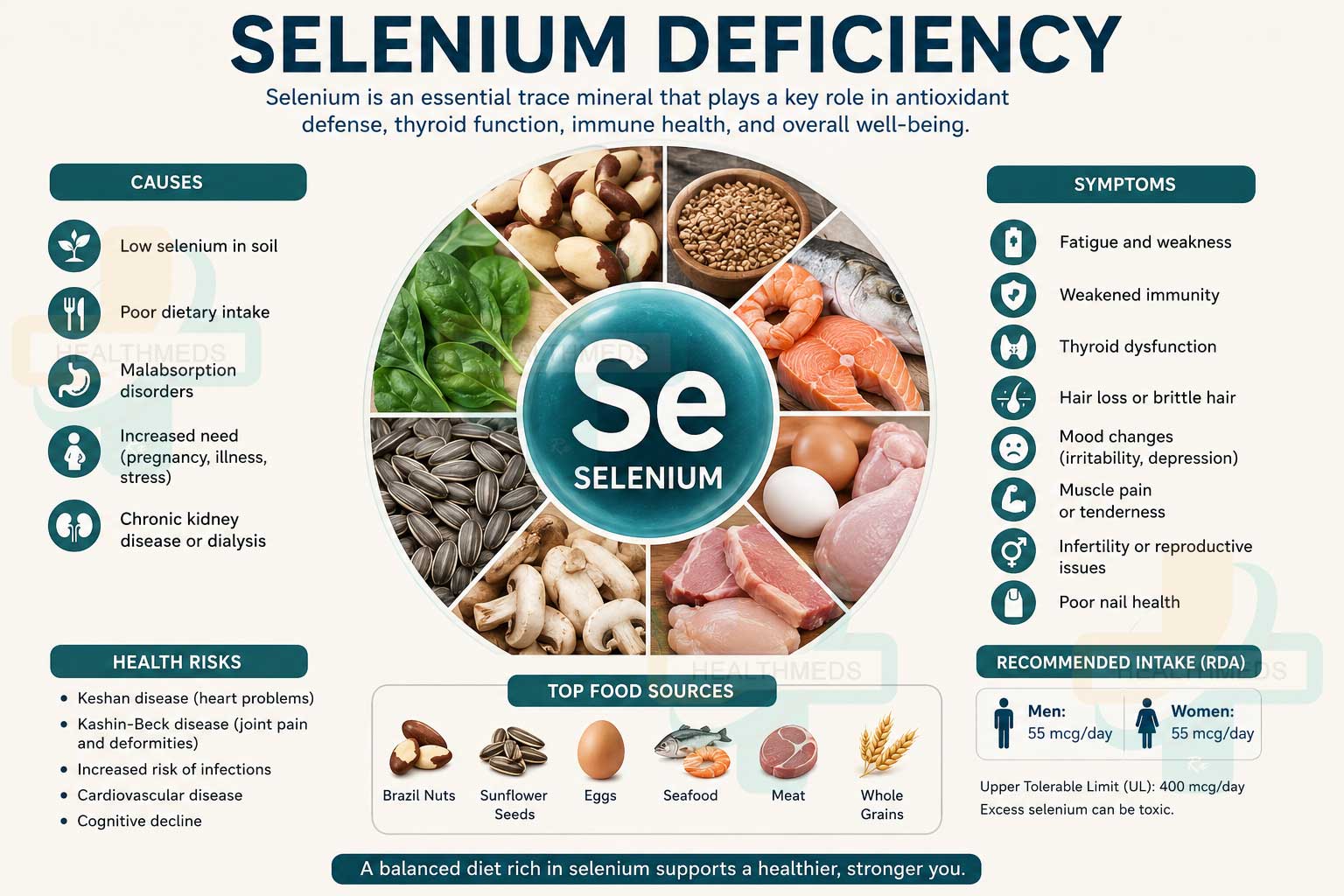

Selenium Deficiency? What is it?
Calcium, iron, and vitamin D seem to receive the greatest attention when speaking of nutrients required to maintain optimal health, but selenium should also be considered a major contributor to good health. Selenium is a trace mineral that your body requires in only tiny amounts, yet it has a tremendous impact on how our bodies work. Selenium supports immune system functions, thyroid function, reproductive health, and protects our cells from oxidative stress.
If your body does not receive enough selenium, you may develop a selenium deficiency, which can cause a variety of health problems. Because selenium deficiency can be hard to detect (its symptoms are very similar to those of many other diseases), you must understand the effects of having too little selenium. This guide will assist you in understanding the causes, effects, symptoms, prevention, and treatment of selenium deficiency.
What Is Selenium?
Selenium is a trace mineral composed of selenium found in soil, water, and some foods. Selenium is needed by the body at very low levels and must be part of proteins called Selenoprotein that your body makes. The selenoprotein perform many functions in your body, such as acting as antioxidants and converting thyroid hormone into its active form of Thyroid (T3).
It is a micronutrient that is not made in the body and must be obtained through diet. Selenium levels in the food can vary depending on the levels of selenium in the soil on which the food is grown.
Why Selenium Is Important?
Selenium has a place in a few vital roles in the body:
Supports Immune Function
Selenium is vital to proper immune function. It helps immune cells fight infections and can possibly help control inflammation that’s too high.
Protects Against Oxidative Stress
Unstable molecules that have the potential to damage cells and tissues are known as free radicals. Selenium is a potent antioxidant that neutralises these harmful compounds and minimises cell damage.
Promotes Thyroid Health
Selenium is found in greater amounts in the thyroid gland than in any other organ in the body. It plays a role in the activation of thyroid hormones; this is crucial for regulating metabolism and energy.
Supports Reproductive Health
Selenium is involved in male and female reproductive functions, in healthy cell development and as a protector of reproductive tissues.
What Causes Selenium Deficiency?
There are several reasons for selenium deficiency:
Low-Selenium Soil
Soils in certain parts of the world occur naturally with low levels of selenium. Plants grown here can yield low levels of the mineral, and there may be an increased risk of deficiency if there are high enough levels among the populations.
Poor Dietary Intake
People with eating habits that exclude lots of selenium-rich foods and those with low selenium intakes generally may also have difficulty getting their selenium requirement.
Digestive Disorders
Digestive disorders, which can hinder the absorption of nutrients, may lead to a higher risk of deficiency. These include inflammatory bowel diseases, celiac disease, and other gastrointestinal diseases.
Long-Term Medical Treatments
Medical conditions, such as chronic intravenous nutrition that is deficient in minerals, may be a cause of selenium deficiency.
Increased Nutritional Needs
Illnesses and physiological factors can result in higher levels of selenium being needed, and thus raise the risk of deficiency in dietary selenium levels.
Signs and Symptoms of Selenium Deficiency
Selenium deficiency may be caused by a long, gradual deficiency. The early signs and symptoms may be mistaken for other health problems.
Common symptoms include:
- Persistent fatigue
- Muscle weakness
- Difficulty concentrating
- Frequent illness or infections
- Hair thinning or hair loss
- Mood changes
- Reduced physical performance
- Joint discomfort
These signs are not diagnostic of selenium deficiency, so an appropriate medical appraisal is required for a correct diagnosis.
Health Effects of Selenium Deficiency
If selenium levels are low for a prolonged period, more serious health effects can result.
Weakened Immune Response
When selenium levels are low, the immune system’s ability to fight off infection may be impaired. As a result, people may become more susceptible to illness and have more difficulty recovering.
Thyroid Dysfunction
Selenium is essential for the metabolism of thyroid hormones. When there is a deficiency of selenium, thyroid function is impaired, which can lead to feelings of tiredness, fluctuations in weight and lack of energy.
Increased Oxidative Damage
Low selenium levels may result in reduced antioxidant capacity. As a result, over time, oxidative stress may result in cellular damage and negatively impact the overall health of an individual.
Risk of Heart Disease
Studies in certain populations have shown that there is an increased risk of heart disease associated with higher intakes of selenium. Selenium is critical for maintaining heart health and normal cellular function.
Muscle and Joint Problems
People who are deficient in selenium report muscle pain, weakness and or discomfort. This may worsen with the length of time the deficiency persists.
Who Is Most at Risk?
Some people are more likely to be selenium-deficient, such as:
- People living in low-selenium regions
- Individuals with digestive disorders
- Those following highly restrictive diets
- People receiving long-term medical nutrition support
- Older adults with poor nutritional intake
- Individuals with chronic illnesses affecting nutrient absorption
Early intervention and prevention can be encouraged by identifying the risk factors.
Best Food Sources of Selenium
Healthy levels of selenium are typically achieved with a well-balanced diet.
Excellent sources include:
- Brazil Nuts: Brazil nuts are one of the richest food sources of selenium. A small amount of this mineral can be in a lot of servings.
- Seafood: Seafood, such as fish, shrimp, tuna, sardines and others, tend to have high levels of selenium.
- Poultry and Meat: Selenium is found in many other essential nutrients, including the meats – chicken, turkey, beef and pork.
- Eggs: Eggs are a good and cheap source of selenium.
- Dairy Products: Selenium is moderately abundant in milk, yogurt and cheese.
- Whole Grains and Seeds: Whole grains and sunflower seeds also provide a good source of selenium, particularly when consumed on a regular basis during meals.
Preventing Selenium Deficiency
The most important thing to do to prevent selenium deficiency is to eat a healthy and balanced diet. Individuals are advised to consume foods with selenium and to eat a balanced diet.
Additional prevention strategies include:
- Eating diverse protein sources
- Including seafood when appropriate
- Choosing whole grains over refined products
- Getting digestive health problems treated quickly.
- Taking supplements as directed by a healthcare provider (if required)
Can Selenium Supplements Help?
Selenium supplements are sometimes recommended if a health care provider has determined that selenium levels are low. But it’s not always best to have more. Too much selenium can cause toxicity with symptoms of nausea, brittle nails, hair loss, and neurological effects.
Therefore, care must be taken with supplementation and ideally used under professional guidance.