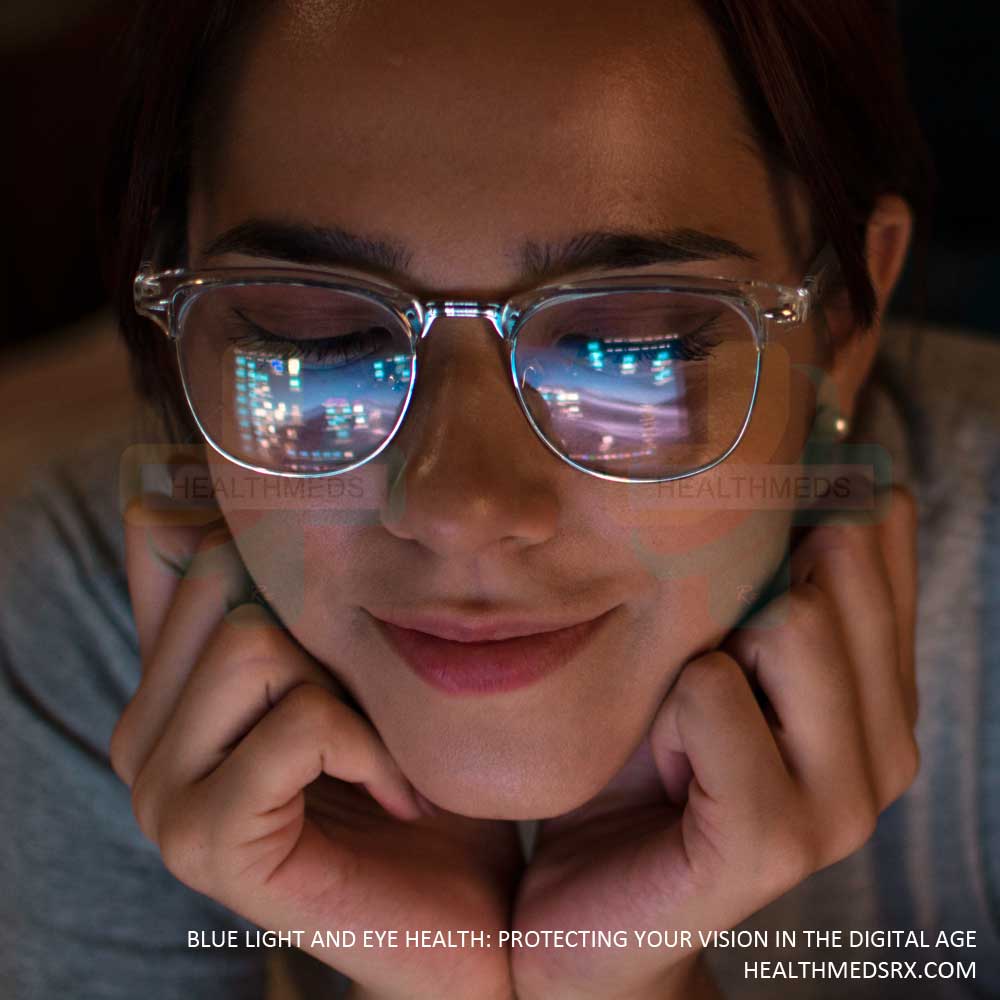

Have you ever wondered, How are blue light and eye health inter-related? The screens have become an inseparable part of modernity, whether one works on a laptop, browses social media, or watches late-night shows. They ease our lives and, at the same time, expose our eyes to a phenomenon known as blue light. The discussions of blue light have gone on a rampage in recent years and have left the question of whether it is damaging the eyes, sleeping, and long-term health issues all to be questioned.
This blog debunks the true meaning of blue light, debunks the myths, and offers evidence-based approaches that can be used to take care of your eyes and and promote eye health in general.
This blog unpacks what blue light really is, clears up myths, and provides evidence-based strategies to protect your eyes and overall well-being.
What is Blue Light and how Blue Light and Eye Health are related?
Blue light represents a high-energy light that is short-wavelength and belongs to the spectrum of visible light (somewhere between 380 and 500 nanometers). The blue light is easy to scatter, unlike other colors of light, and this is the cause of the sky appearing blue.
There are two major sources of blue light:
- Natural Blue Light: The largest natural source is the sun. Exposure to daylight assists in the regulation of the circadian rhythm of the body, enhances alertness and aids a healthy mood.
- Artificial Blue Light: Blue light is also emitted by digital devices: smartphones, tablet computers, televisions, and LED lights. This is an artificial exposure that has caused worry with people spending 7-10 hours a day on screens.
So, what is the significance of this to the eye health? Blue light penetrates further inside the eye as compared to other visible phenomena. The blue light can enter the retina, unlike the UV rays, which are mostly absorbed by the cornea and the lens. This further infiltration is what raises the controversies concerning its possible long-term consequences on the sight.
The Impacts of the Blue Light on Our Eye Health
There are numerous frightening arguments about blue light on the Internet. To make any sense of it, we should divide facts and myths.
Blue Light and Eye Health
- Fact: Screen time causes digital eye strain- prolonged screen time results in such signs as dryness, blurred vision, headache, and inability to focus.
- Fact: Exposure to blue light at night may interfere with the sleep rhythms (we will discuss that below).
- Myth: Blue light from digital devices causes permanent blindness. No definitive proof exists on how blue light causes blindness. Nevertheless, there is some current research on the possibility of chronic exposure leading to other conditions, such as age-related macular degeneration (AMD).
Symptoms of Eye Strain to Watch For
- Sore or irritated eyes
- Difficulty focusing after screen use
- Double or blurred vision
- Headaches or migraines
- Watering or dryness of the eyes.
These symptoms are unpleasant, but most of them are temporary and not permanent as long as they are associated with poor screen habits.
The Effect of Blue Light on Sleeping and General Well-being
In addition to the vision, blue light has a major role in the control of sleep and eye health in general.
The Circadian Rhythms Relationship.
Our internal clock, known as the circadian rhythm, regulates our hours to wake up and when to sleep. The blue color in the sky, especially the sun, contributes to maintaining this rhythm in accordance with the day-night cycle.
Blue Light at Night: The Hidden Problem
The problem is that the exposure to artificial blue light carries into the evening. The screens of digital devices produce a sufficient amount of blue light, which may make the brain think that it is the middle of the day. This inhibits production of melatonin, a hormone that induces sleep. The result:
- Trouble falling asleep
- Lighter, more disrupted sleep
- Daytime fatigue and reduced concentration
Sleep Hygiene: How to Sleep Better.
- No screens at least 1-2 hours before sleep.
- Activate phone settings, such as Night Mode or Blue Light Filters, during the evening.
- Low light in the house at night to remind your body that it is time to relax.
- Train the habit of relaxing before sleep, like reading (with soft warm light), meditation or stretching.
Eye Protection against Hazardous Blue Light: How-to-tips and Aids
You cannot totally escape blue light, but you can still do what you can to limit its effects.
- Blue Light Glasses
Special lenses block some of the blue light and eliminate glare. They may be especially useful among individuals who tend to spend a lot of time at computers.
- Screen Filters and Device Settings
Night shift or reading mode is becoming a standard feature on most smartphones, tablets, and laptops that restrict the amount of blue light that is emitted. External screen filters are also available for computers.
- Limit Screen Time
Use frequent rests using the 20-20-20 rule: after every 20 minutes, take a 20-second glance in a different direction at something that is 20 feet away. This will aid in the relaxation of eye muscles and will avoid strain and further contribute to good eye health.
- Proper Lighting
Avoid working in complete darkness while using bright screens. Balance screen brightness with room lighting to reduce contrast.
- Cyclosporine for Dry Eyes
One of the most common effects of digital eye strain from blue light is dry eyes. This happens because we blink less while staring at screens. For persistent dryness, doctors often prescribe Cyclosporine eye drops.
Cyclosporine works by:
- Increasing natural tear production
- Curing inflammation in the eyes.
- Treating chronic symptoms of dry eyes in the long run.
- Regular Eye Check-Ups
Visiting an eye doctor regularly will assist in early detection of strain and protect your vision under the protection.
The Dietary and Lifestyle Intervention in Reducing the Blue Light Hazards
It is also the nutrition and lifestyle habits that contribute significantly to eye health.
Diet for Eye Protection
Some of the nutrients serve as natural protection against the damage of light:
- Lutein and Zeaxanthin (spinach, kale, broccoli, corn) -they aid in filtering of high-energy light before it reaches the retina.
- Omega-3 Fatty Acids (salmon, flaxseeds, walnuts) – help to produce tears and reduce dry eyes.
- Vitamin C and E (citrus fruits, almonds, sunflower seeds) – prevent oxidative stress in eye cells.
- Zinc (chickpeas, pumpkin seeds) – promotes the eye health especially the retinol.
Change in Lifestyle to improve eye health
- Keep eyes moist by means of being hydrated.
- Be mindful when blinking when using screens; otherwise, it is likely to be dry.
- Include frequent outdoor activities- daytime activities that are accompanied by natural sunlight are known to help normalize the circadian rhythm without overly artificial blue light.
- Sleep and stress management should be given a priority because they affect eye health.
Blue light is a natural component of our environment, and it is not necessarily harmful to us, although when overused and especially at night, screens may cause strain on the eyes and sleep disturbances. Although the myths might be exaggerated about its threats, there is effective protection. Using blue light filters, practising good screen habits, nutrient-rich foods, and taking treatments such as Cyclosporine for dry eyes can save our eye health. Learning is a matter of control and not panic, as far as exposure to blue light is concerned. Your eyes should be well taken care of.