
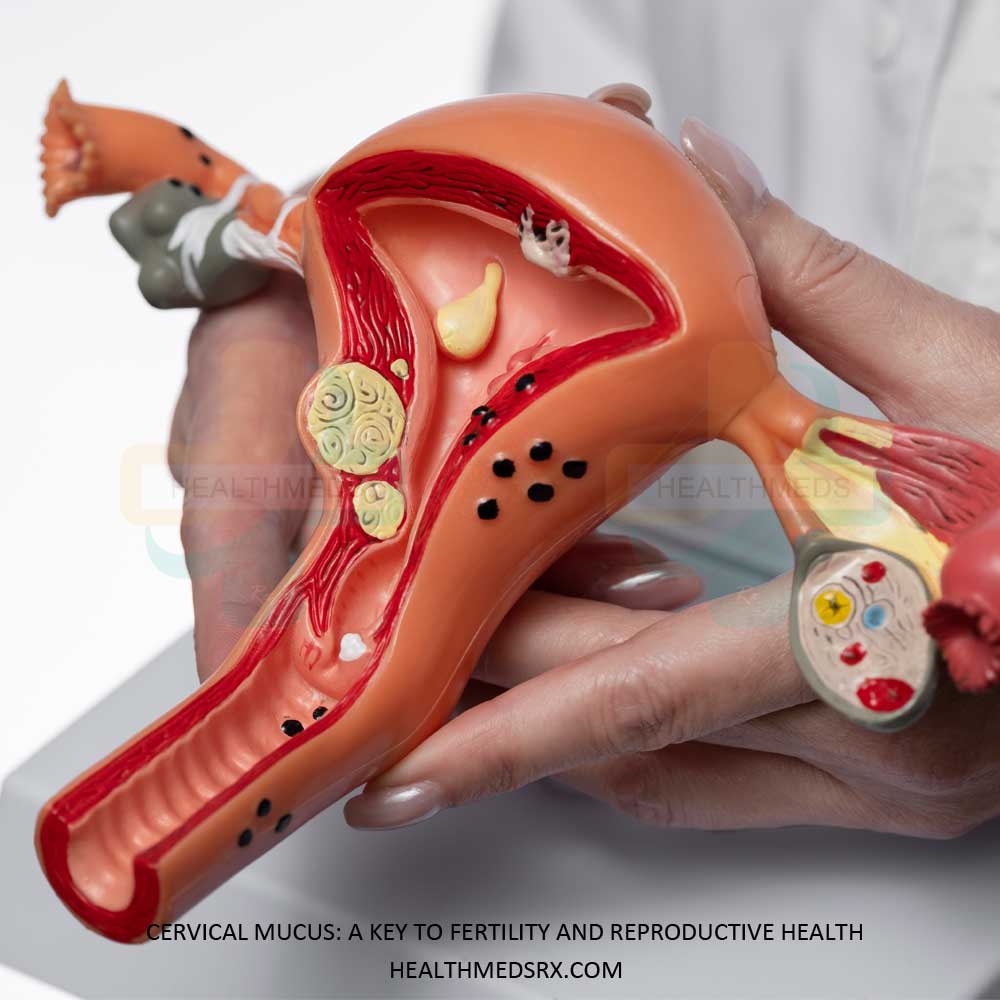

Cervical mucus is a key element in women’s reproductive health which to a great extent is ignored as a part of fertility awareness. This natural body secretion gives important information regarding ovulation, fertility, and total reproductive health. By looking at the variation in cervical mucus throughout the menstrual cycle women can make informed decisions related to conception, contraception, and also in the identification of health issues.
What is Cervical Mucus?
Cervical mucus is what the body produces from the cervical glands which varies in quality, color, and quantity through a woman’s menstrual cycle. This variation is a result of hormonal changes mainly in estrogen and progesterone.
At some points in the cycle cervical mucus functions as a barrier that stops pathogen entry into the uterus. At other times it plays a different role in which it creates the best environment for sperm to live in and transports sperm to the egg at ovulation. The mucus’ variable state through the cycle is a very useful indicator for tracking fertility.
Hormones’ role in Cervical Mucus Production
Cervical mucus production is a very complex process that is in response to hormonal changes.
During the follicular phase of the menstrual cycle which is dominated by estrogen that same hormone also brings out clear, stretchy and slippery mucus that is sometimes called egg white cervical mucus (EWCM). That type of mucus is put out to support the life of sperm and their transport.
Progesterone which at the time of ovulation increases in production during the luteal phase thickens mucus in cervical. This in turn creates a less friendly environment for sperm and also serves as a barrier which in turn protects the uterus from possible infections.
These hormonal fluctuations cause the body to produce the appropriate type of cervical mucus at each stage of the cycle.
Understanding the Types of Cervical Mucus
Throughout the menstrual cycle cervical mucus changes:
- Dry or Minimal Mucus: At the end of menstruation when estrogen levels are at a low point we see this. Also at that time the body does not produce large amounts of mucus which indicates a non-fertile phase.
- Sticky or Tacky Mucus: As estrogen levels increase mucus becomes sticky or tacky. This kind of mucus does not support sperm survival which in turn indicates low fertility.
- Creamy Mucus: As we approach ovulation mucus changes to a creamier consistency which is a sign of increased fertility. This is a result of a gradual estrogen rise.
- Egg White Cervical Mucus (EWCM): During ovulation there is production of clear, stretchy, and slippery mucus which is of the most fertile type. This mucus is similar in consistency to raw egg whites and is designed for sperm transport and survival.
- Thick or Cloudy Mucus: Post-ovulation as progesterone levels rise mucus becomes less transparent. This is the sign of the transition back to the non-fertile phase.
Why Track Cervical Mucus?
Tracking cervical fluid which is also very beneficial for women to better know their reproductive health:
- Pinpointing Ovulation: Noticing changes in mucus is a way to determine when you are in your fertile phase which is key for conception or natural birth control.
- Monitoring Hormonal Health: Variations in mucus patterns may be a sign of hormonal imbalances or health issues like Polycystic Ovary Syndrome (PCOS) or thyroid dysfunction.
- Detecting Potential Infections: Abnormal mucus that is green, yellow, or foul smelling may be a sign of an infection that requires medical care.
How to Monitor Cervical Mucus
Checking cervical mucus is a practice that requires consistent observation and documentation.
Here’s how to do it:
- Use Clean Hands: Proper hygiene is a must for collecting cervical mucus. Before you begin wash your hands.
- Check Daily: At the same time every day note down the amount of mucus discharge you notice or which is present on the underwear and from the toilet paper.
- Record Observations: Keep a journal or use a fertility tracking app to note changes in texture, color, and volume. Over time this will present you with a full picture of your cycle.
Factors That Affect Cervical Mucus
Several issues related to both outside and internal causes that can affect this problem production and quality:
- Hydration: Adequate hydration is required for the best mucus production. Dehydration is a cause of reduced mucus volume and quality.
- Diet: Foods that include omega-3 fatty acids (like salmon and flaxseeds) and antioxidants (present in fruits and vegetables) support mucus health.
- Medications: Some drugs like antihistamines or hormonal birth control may change the quality of the cervical mucus.
- Stress: High stress is a factor that throws off hormone balance which in turn may impair mucus production.
Cervical Mucus and Fertility Awareness Methods
Fertility Awareness Techniques (FAMs) which also include methods of tracking cervical mucus are very popular. By looking at the different kinds of mucus and when they appear in the cycle women can:
- Improve chances of conception by tracking the fertile window.
- Use natural family planning methods to prevent pregnancy.
- In their reproductive health, we can see which in turn identifies issues at the early stage.
Optimizing Cervical Mucus for Fertility
Improving the quality and quantity of cervical mucus which in turn supports fertility and overall reproductive health. Also try:
- Stay Hydrated: Drink at least 8 glasses of water a day for proper mucus production.
- Eat a Nutrient-Rich Diet: Include leafy greens, citrus fruits, and omega-3 fatty acids for healthy mucus.
- Avoid Harmful Substances: Smoking, heavy alcohol use, and recreational drugs can affect mucus quality.
- Use Fertility-Friendly Lubricants: If your body doesn’t produce enough mucus choose lubricants which are designed to resemble fertile cervical mucus.
When to Seek Medical Advice
It is best to see a health care professional if you note:
- Persistent dryness of the vagina during fertile times.
- Unusual cervical mucus color, texture, or smell may be a sign of infection.
- Patterns of persistent a typical mucus changes.
The issue is a far more extensive element of the reproductive system than we may at first think; it is a great indicator of fertility and overall health. By learning to see and interpret its changes women can take charge of their reproductive health, improve their body’s knowledge base, and make informed decisions regarding family planning and wellness.
To understand this natural process is to empower oneself which in turn fosters a greater body awareness which in the end brings about a healthier reproductive journey.