
Showing all 3 results
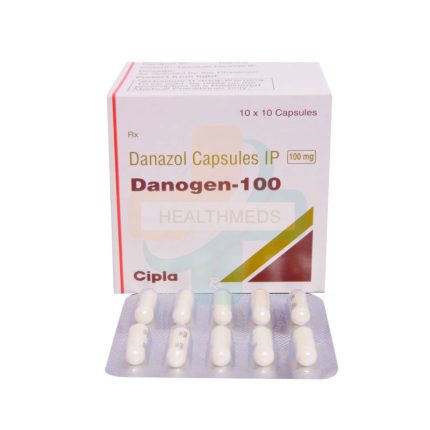
You save (%)
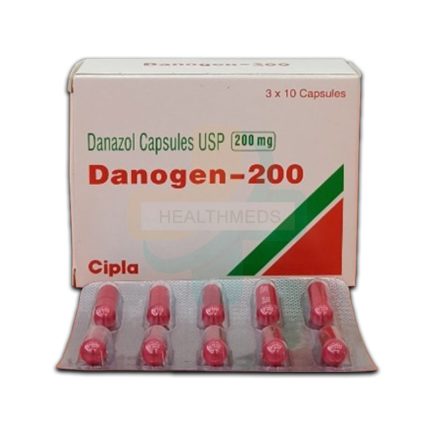
You save (%)
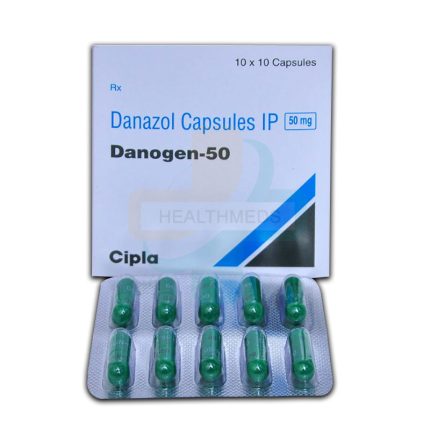
You save (%)
Having a period, or menstrual bleeding, indicates that a new cycle is starting in a woman’s body. Periods reveal a lot about reproductive health and mark an important part of someone with a menstrual cycle’s life.
Let’s know more about menstrual bleeding and what causes it, when it occurs, what problems are common and their solutions, so readers have a better understanding of what it is. If you need trusted medications or assistance dealing with menstrual bleeding issues, Healthmedsrx has many choices for managing menstrual health.
What is Menstrual Bleeding?
Menstruation happens when pregnancy does not occur, it is when the endometrium is shed from the uterus. Most of the time, this phase appears every 21 to 35 days and lasts about 3 to 7 days. When on periods vagina discharges, blood, tissue, and mucus from the body.
The menstrual cycle depends on hormones and plays a major role in female fertility.
Various Stages of a Menstrual Cycle
Gaining knowledge about the sequence of the menstrual cycle helps explain menstrual bleeding and how it affects total health.
This phase is known as the menstrual phase because it means the onset of active bleeding and a fresh cycle of the period. The lining of the uterus which was made for pregnancy is released.
During this phase, which happens at the same time as the menstrual phase, follicles in the ovaries mature because of FSH.
During the ovulation phase, around the middle of the cycle, a mature egg is released because LH hormone rises sharply. It is the time when the cycle offers the most growth.
When ovulation happens, the corpus luteum forms and releases progesterone to help the uterus in case of an implantation. If pregnancy does not happen, there is less of the hormone progesterone, which causes the lining of the womb to shed.
Why does Menstrual Bleeding Occur?
Estrogen and progesterone among other hormones take part in the complex process of the menstrual cycle. These hormones control the way the uterine lining develops, maintains itself, and fails during the process of shedding. Many things such as reproductive organs and hormone levels can impact menstrual bleeding.
Hormonal fluctuations
When women are going through puberty, close to menopause through perimenopause, or already at menopause
Stress levels
A person’s condition concerning nutrition and their weight
Problems that affect the health of older adults
Usual Menstrual Disorders
Menstrual bleeding usually happens in women, but sometimes certain individuals have unusual problems that require seeing a doctor.
The following are some frequent difficulties with menstruation:
Menorrhagia happens when a woman experiences excessive bleeding for more than a week or has to frequently change pads/tampons.
Strong cramps caused by uterine contractions are called painful periods (dysmenorrhea).
Irregular Periods occur when the menstrual cycle is outside of the usual period, which is anything less than 21 days or more than 35 days.
If a woman does not get a period for at least three consecutive months, this is called amenorrhea.
Premenstrual Syndrome (PMS): Symptoms of the body and mind that come before a person’s menstruation.
Methods Available to Deal with Menstrual Problems
The store has medicines and solutions meant for dealing with women’s monthly needs. The most effective treatment for a certain problem depends on its condition and may involve:
You can control your periods with birth control that is administered as pills, patches, or IUDs.
Cramps and inflammation can be soothed by using Danogen 50 Capsule, ibuprofen and NSAIDs.
Provide iron to the patient in case heavy bleeding has resulted in anemia.
Eating a balanced diet, being active, and practicing stress control may ease the symptoms.
Endometrial ablation or myomectomy may be prescribed when the case requires surgery.
It is important to understand menstrual hygiene
Properly dealing with menstrual hygiene plays an important role in averting infections and feeling comfortable.
Here is what you should do:
Change your pads or tampons every 4 to 6 hours to avoid bacteria from growing.
Choose underwear that is made of breathable materials and is always washed.
You can go for period panties or menstrual cups as eco-friendly alternatives.
Scented items irritate the skin you have acquired.
When to see a doctor for Menstrual help?
Long lasting or very heavy bleeding
People who have pain that is not controlled by over-the-counter drugs
A pattern of uneven cycles continues for a long period.
Anemia can be seen by symptoms such as feeling tired, paleness, or difficulty breathing.
Frequently Asked Questions on Menstrual Bleeding
1. What is considered the regular pattern of menstrual bleeding?
Usually, menstrual bleeding continues for 3 to 7 days and 30 to 80 milliliters of blood is lost in total per cycle.
2. Can being under stress result in changes to a person’s menstruation?
Indeed, stress can change the balance of hormones and make your cycle irregular.
3. What effects does certain food have on a woman’s menstrual health?
Having iron, calcium, and omega-3s in your diet supports hormones and hence reduces the symptoms.
4. Is there any reason behind missing periods from time to time?
Sometimes periods are missed because of stress, body weight, or changes in hormones. Still, issues that continue for a long time should be examined.
5. Do herbal and natural remedies solve menstrual issues for women?
Taking herbal supplements, practicing yoga, or having acupuncture might help some people, but make it a point to consult your healthcare professional first.
Benefit from healthmedsrx as you handle menstruation
A wide range of medication options for menstruation, such as products for cycle control, pain reduction, and excessive bleeding available at Healtmedsrx. Get affordable medications, easy-to-buy online options, and shipped for free, and your menstrual health is now easier to look after.
If you’re looking for top-quality menstrual health products, go to Healthmedsrx now.