
Showing all 9 results
You save (%)
You save (%)
You save (%)
You save (%)
You save (%)
You save (%)
You save (%)
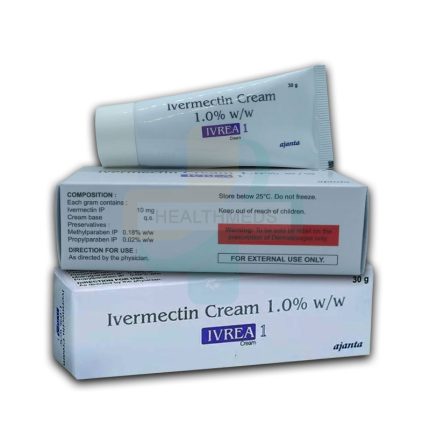
Antiparasitic medicines are prescribed to target and destroy parasitic organisms that get into and take over the human body. These strong medications either kill the parasites completely or stop them from reproducing and spreading.
Parasitic infections may range from a mild nuisance to a life threatening issue, depending on what type of parasite it is and the extent of the infestation. At Healthmedsrx we are aware of the value in proper antiparasitic treatment which is why we present a choice of high-quality antiparasitic medications that contain proven active ingredients like Ivermectin.
The issue of parasitic diseases is still very common in both tropical and subtropical regions. No proper sanitation is an issue we see when humans and animals are in contact.
We see this in pinworm in kids, Giardia in hikers and campers, and scabies in community settings. Modern anti-parasitic medicines have changed the game in terms of treating these issues which in many cases we can do so with a single dose.
Studying Parasites and Their Effect on Human Health
Classification of Human Parasites
Parasitic infections in humans fall into three main categories which are based on the biological features of the parasites and the kind of illness they cause. In each category we find specific treatment methods which is why accurate diagnosis is of great importance for proper therapy.
Worm parasites
Helminths are a type of multicelled animal that usually call the human gastrointestinal tract home although some species do have a tendency to travel to other tissues. Species of roundworms (nematodes) like Ascaris lumbricoides can grow to 35 cm in length and in severe cases cause intestinal blockages.
Tapeworms (cestodes) which include Taenia saginata that absorb nutrients through their skin may reach meter in length. Flukes (trematodes) which may take up residence in the liver for example, tend to establish slow moving infections which over time damage certain organs.
Single cell microorganisms of the animal kingdom which primarily include the genus Plasmodium.
Protozoan parasites they are single celled microorganisms which in turn multiply inside of human hosts and also present with very poor health picture as they do.
Malaria parasites (Plasmodium species) get into red blood cells and cause periodic fevers, at the same time Giardia lamblia attaches to the small intestine lining and brings on malabsorption issues.
Dangerous protozoa include Entamoeba histolytica which causes amoebic dysentery and liver abscesses and Cryptosporidium which is a great threat to immunocompromised individuals.
External parasites
These parasites may live on rather than in humans although their effects can be just as damaging. The scabies mite (Sarcoptes scabiei) burrows in the skin to lay eggs which in turn produce very itchy rashes.
Head lice (Pediculus humanus capitis)’ spread quickly through close contact which is especially a problem among school going children. Also some ectoparasites are vectors for other diseases ticks which cause Lyme disease and body lice which cause epidemic typhus.
How Parasites Cause Disease?
Parasites present different tactics in which they establish themselves and what they put out to hosts’ immune systems. Many intestinal worms use complex methods of attachment which in turn keep them in the gut, at the same time blood parasites like malaria are always changing their surface proteins to not be seen.
Parasites may also cause illness via many routes:
- Direct tissue injury from migration, feeding activities, or physical obstruction.
- Nutrient loss as hosts’ resources are consumed by parasites.
- Toxin production that triggers inflammatory responses.
- Immune system disruption that prevents effective clearance.
Secondary infections due to compromised barriers
The scope of clinical presentation of parasitic infections is very large but typically includes gastrointestinal issues, skin symptoms, and systemic inflammation; in chronic cases we see organ dysfunction.
Also it is noted that children with heaver worm loads report growth retardation and cognitive impairment which in turn present the great health impact of untreated parasitosis.
Antiparasitic Medications: Mechanisms and Uses
Major Classes of Antiparasitic Drugs
Modern anti parasitic medicines target critical biological functions that are unique to parasites thus minimizing side effects in human hosts.
The most important drug classes include:
Avermectin (Ivermectin)
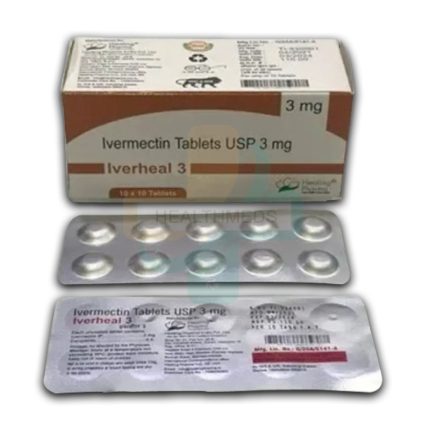
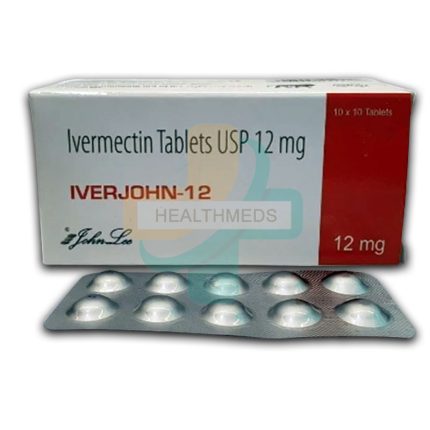
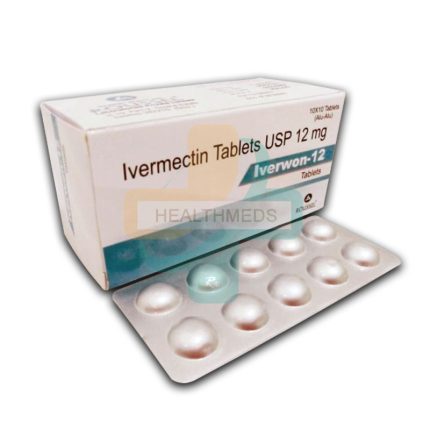
Ivermectin the main component of our IVREA 1, IVERJOHN 12, and IVERWON 12 formulations works to bind parasite nerve selectively and muscle cell glutamate-gated chloride channels. This action causes cell hyperpolarization which in turn brings about paralysis and death of the parasite.
Ivermectin seems to do very well against nematodes and ectoparasites which is a result of its action on different neurotransmitter systems in mammals which thus makes it very safe for human use.
Benzimidazoles (Albendazole, Mebendazole)
These broad spectrum anthelmintics which bind to beta tubulin bring about microtubule breakdown, they also reduce glucose uptake and energy metabolism. They do in particular well against intestinal nematodes and some tissue dwelling larvae.
Artemisinic Derivatives
From the roots of Traditional Chinese Medicine these compounds produce free radicals to in turn damage malaria parasites at their blood stage of development. We see them now to be the base of combination therapies for Plasmodium strains that have become resistant to drugs.
Imidazoles (Metronidazole, Tinidazole)
These drugs go into a reduced form in anaerobic parasites which in turn damage DNA and other key molecules. They are the first line of treatment for protozoal infections like Giardiasis and trichomoniasis.
Factors Influencing Treatment Selection
Selecting the right antiparasitic medication is a function of many variables:
- Parasitic species and life cycle stage: Some drugs only kill adult worms and others kill larvae.
- Infection type between systemic and localized which presents different pharmacokinetic requirements.
- Host variables Age, pregnancy status, and comorbidities may contraindicate certain medications.
- Drug resistance trends which are a growing issue for malaria and some nematodes.
We present a range of Ivermectin based products which we have put together due to its’ wide scale success against many parasites, great safety record, and use in mass drug administration programs worldwide.
Common Conditions Requiring Antiparasitic Treatment
Soil Transmitted Parasites
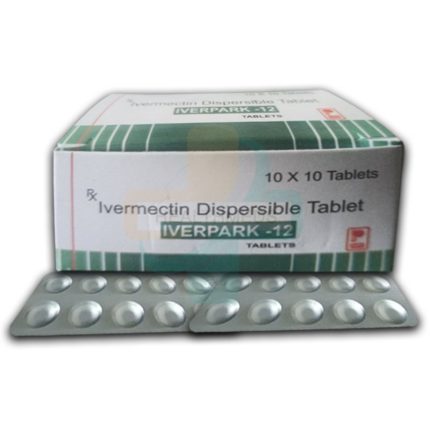
According to the World Health Organization we see over 1.5 billion people worldwide host Ascaris, hookworm and whipworm which are what soil transmitted helminths are. At IVERPARK 12 we have developed a very effective single dose treatment for these infections which in turn helps to reduce transmission in endemic areas.
Lice
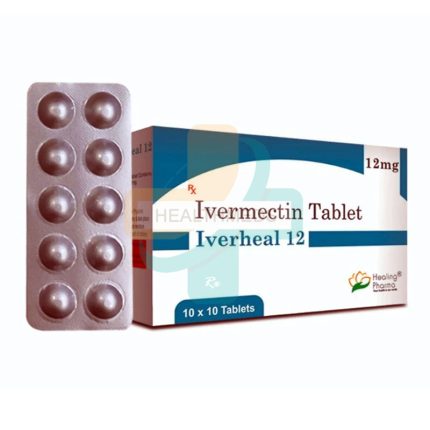
Scabies infestations cause great discomfort which in turn leads to secondary bacterial infections from scratching. IVERHEAL 3 provides a targeted approach which goes to eliminate the mites yet at the same time minimizes systemic side effects.
Scoleciasis
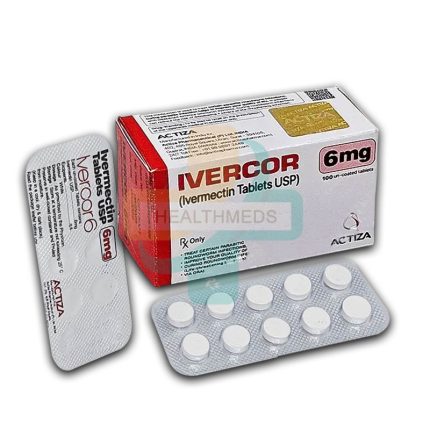
Unlike other intestinal worms which require intermediate hosts, Strongyloides stercoralis can complete its full life cycle in humans also which results in persistent autoinfection. IVERCOR 6 MG provides the required long term drug treatment for this hard to eliminate parasite.
Oncho (River Blindness)
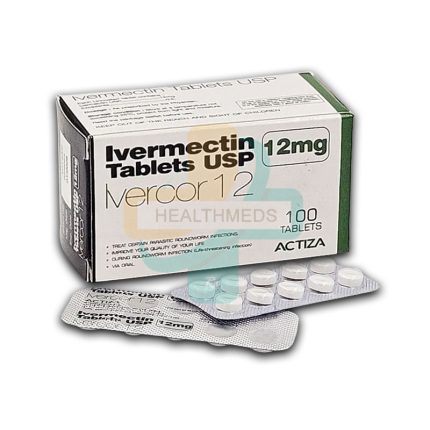
Transmitted by blackflies, O. volvulus microfilariae move to the eyes and cause progressive corneal damage. Ivermectin (we have IBERCOR 12 MG in our product line) is the mainstay of control programs which also sees adult female worms sterilized and microfilariae killed.
Special Considerations in Antiparasitic Therapy
Mass Drug Administration (MDA)
In regions that report high levels of parasitic infection we see that periodic community wide treatment reduces overall transmission. We supply bulk purchasing options for health initiatives that are putting in place MDA for neglected tropical diseases.
Combination Therapies
Some resistant parasites may be treated successfully with a combination therapy that we may see in the case of an albendazole and ivermectin used to improve control over specific nematodes which does not respond well to single drug treatments.
Adjunctive Treatments
Support in many cases also sees to it that we use iron supplements for hookworm induced anemia, anti-pruritics for scabies, and anti-inflammatory drugs for what results when the parasites die off.
Safety Profile and Proper Usage Guidelines
Adverse Effects and Contraindications
While in general these medications are safe, they may cause side effects that should be known:
- Ivermectin: May cause mild dizziness and nausea or transitory elevation of liver enzymes.
- Benzimidazoles: Can cause at times abdominal pain or hair loss which is temporary.
- Nitazoxanide: Sometimes results in yellow colored urine.
Special precautions apply to:
- Pregnant women (especially first trimester)
- Children under certain ages/weights
- People with CNS disorders (at risk for exacerbation).
- Those on certain drugs like warfarin or anticonvulsants.
Optimal Administration Practices
To maximize treatment effectiveness:
- Dose by Weight- Many antiparasitic require exact weight based calculation.
- The timing of meals and fat content may greatly affect the absorption of some drugs.
- Follow up Testing – To confirm elimination of parasites that cause treatment failure.
- Environmental management at the same time that bedding and clothing are cleaned.
Preventive Strategies Against Parasitic Infections
Personal Protective Measures
- Food Safety: Properly wash produce and cook meats to proper temperatures.
- Water Treatment: Use filtration, boiling, or chemical treatment for that which is in question.
- Insect Avoidance: Wear appropriate clothing and use DEET containing repellents in at risk areas.
- Footwear Use: Wear shoes when you go outside to prevent soil transmitted infections.
Community-Level Interventions
- Sanitation Infrastructure: Proper wastewater treatment breaks parasite transmission cycles.
- Vector Control: Bed nets and insect control programs which reduce the population of disease carrying insects.
- Health Education: Teaching good hygiene habits reduces infection rates.
When to Seek Professional Medical Care
While many parasitic infections respond to our large scale pharmaceutical treatments some conditions require in person physician evaluation:
- Neurological symptoms (seizures, altered mental status)
- Symptoms of intestinal obstruction (severe pain, vomiting, failure to pass stool).
- System wide illness (high temperatures, jaundice, respiratory distress).
- Persistent symptoms after completing treatment
- Suspected malaria in endemic regions
Healthmedsrx.com- Your Trusted Partner in Parasite Control
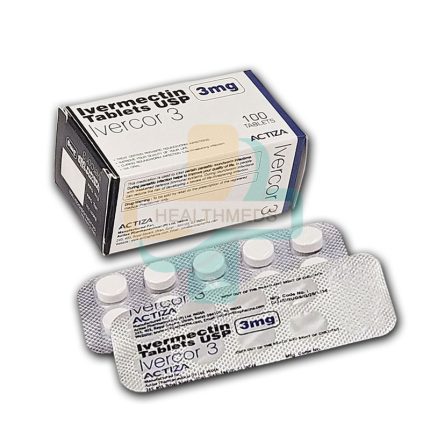
At Healthmedsrx we have brought together our pharmaceutical knowledge with a global health focus which we put into practice by bringing to you reliable access to basic anti parasitic medications. We have Ivermectin based products like IVERJOHN 12, IVERCOR 6 MG, and IBERCOR 12mg.
Through the study of the biological aspects of parasites, their treatment methods and prevention techniques can make informed decisions regarding anti parasitic therapy for yourself or your community. We invite you to peruse our product range and should you have any treatment questions do not hesitate to approach our knowledgeable staff.
We have a great selection of antiparasitic medications available. Take that first step towards total parasite control. Together we may achieve a world free of parasitic infections which in turn will improve human health and potential.