
Why Do Cold Sores Appear? Causes, Symptoms & Prevention Tips

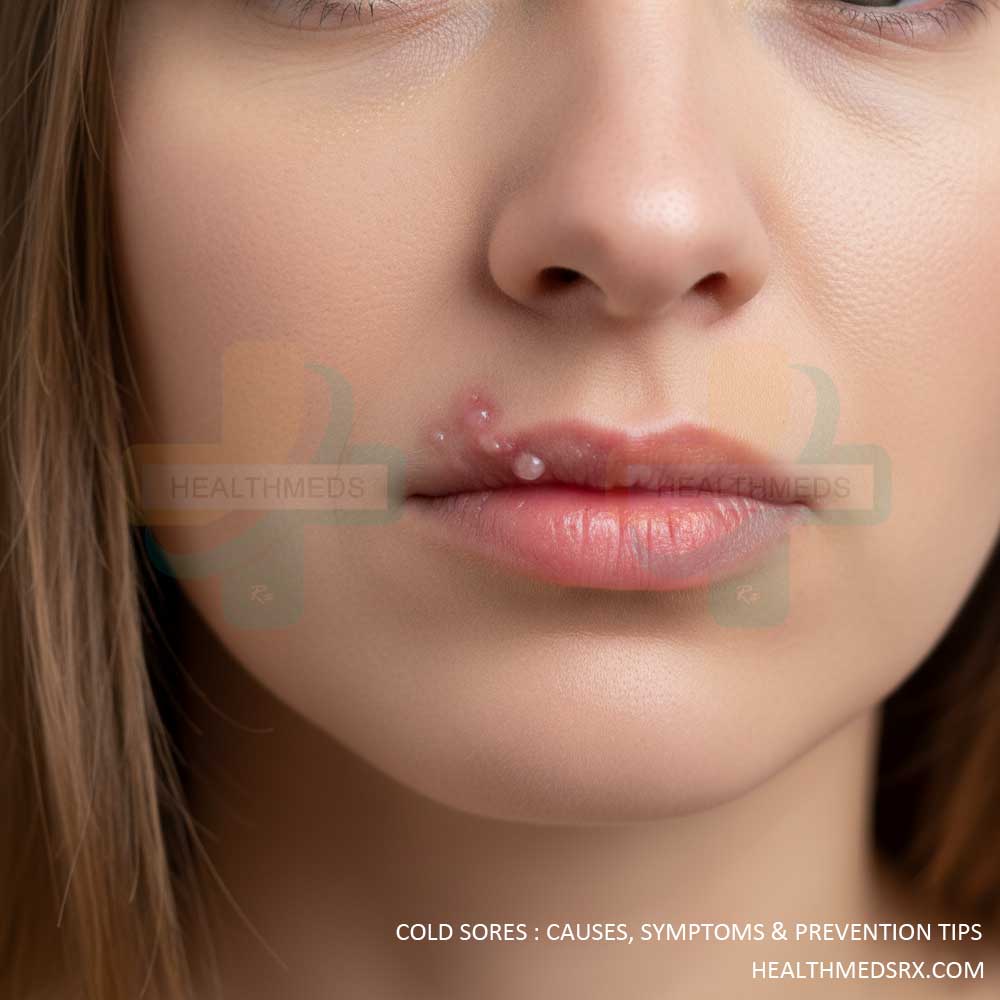
Have you ever woken up one morning with painful blisters on your lip? Many people experience this annoying issue without knowing its cause. For all of them, these symptoms are of cold sores caused by herpes simplex virus (HSV).
Understanding what triggers your outbursts, recognizing the early signs, and knowing how to prevent and treat them will help you to better manage this very common viral infection.
What Are Cold Sores?
Cold sores also go by the name of fever blisters. They are small and filled with fluid which usually appears at the lip’s edge. Mostly they are caused by Herpes Simplex Virus type 1 (HSV-1) which in some cases may also present in the form of genital sores.
While HSV-2 are more likely to cause genital herpes, it can at times produce oral sores, unlike canker sores which appear within the mouth and are not contagious. Cold Sores are highly contagious and also tend to recur over time.
For all those who undergo “painful sores on lips” or “little blisters by the mouth” these symptoms may be able to tell a cold sore is coming in before the doctor gives the diagnosis.
How do cold sores appear? Causes and Triggers.
After initially becoming infected with HSV it will lie dormant in nerve cells for years. Certain triggers may cause the virus to reappear, which may present itself in the form of a blister or tingling sensation.
Common triggers include:
- Stress and fatigue: Mental and physical stress may suppress your immune system, which in turn can cause a reactivation of HSV.
- Sun exposure: Ultraviolet (UV) exposure may cause breakouts which including the lips.
- Hormonal changes: During menstruation and pregnancy, changes may bring on cold sores.
- Illness or fever: Colds, flu, and other infections may bring about an outbreak.
- Weakened immunity: Chronic diseases, poor diet, or immunodeficiency issues increase susceptibility.
Many folks are not aware that even small amounts of stress or fatigue can trigger an outbreak of HSV and are a reason for very common recurrent cold sores.
Recognizing Cold Sore Symptoms
Cold sores go through a series of stages:
- Tingling or burning: Often time that first indicator may come in the form of pins and pricks or tingling at the lip.
- Red bumps or blisters: Small, fluid based lesions present and are usually painful and very noticeable.
- Crusting and scabbing: After some time blisters break out and form a scab.
- Additional symptoms: Some people can have fever, swollen lymph nodes, or feel unwell.
Symptoms like “tingle in the lips which are followed by a breakout” and “painful blisters which appear on the lips” are often reported as self-diagnosing. Identifying these early telltale signs will lead to timely treatment which in turn reduces the severity and duration of the outbreak.
Treatment Options for cold sores: From Medications to Creams.
While for many cold sores may heal in 7 to 10 days by themselves yet certain treatment options can shorten this healing time.
Recommended Treatment options for cold sores by healthcare experts:
- Topical antiviral creams: Creams that include Acivir, penciclovir, or docosanol that are applied to the blisters and will reduce viral replication and speed healing.
- Oral antiviral medications: For serious and recurring outbreaks doctors may prescribe Acyclovir, Valacyclovir, or Famciclovir. Early treatment is key to reducing pain and duration.
- Pain relief: Over the counter analgesics, anaesthetics or cold compresses may also help.
- Lifestyle measures: Hydration, eating a balanced diet, and reducing stress support your immune system in fighting off the virus.
As soon as you notice tingling or burning start anti-viral treatment which is the most effective.
When Cold Sores Can Become Serious
Although mostly mild in nature, cold sores may also cause issues:
- Eye infections (herpes keratitis): HSV which may affect the eye and cause great damage.
- Secondary bacterial infections: Picking at the blisters can cause infection.
- Severe outbreaks: People who have weakened immune systems may see more frequent or more severe outbreaks which in turn may require stronger antiviral treatment.
If you experience severe, frequent sores or they come with a fever, swelling or vision changes see a doctor.
Prevention: Decreasing the frequency of cold sores.
Prevention of cold sores includes avoiding triggers and reducing virus transmission.
- Sun protection: Wear lip sunscreen while outside.
- Stress management: Meditation, proper sleep, and exercise improve immunity.
- Hygiene practices: Avoid the use of the same lip balm, utensils, towels, or razors.
- Immune support: A healthy diet, proper hydration, and attending to pre-existing health issues reduce outbreak frequency.
- Topical prophylactics: At the first sign of tingling apply antiviral creams which may prevent an outbreak.
Debunking Common Cold Sore Myths
Myth: Cold sores are only caught through kissing infected persons.
Fact: HSV can return and spread without touch.
Myth: Cold sores and mouth sores are the same.
Fact: Canker sores are not contagious and appear within the mouth; cold sores are a result of a virus that presents on the lips.
Myth: For many people with HSV out outbreaks are a frequent issue.
Fact: Some people may have only a single outbreak in their lifetime.
Forum Common discussions to Cold Sores
Why do I get cold sores even when I am healthy?
Even if you are very healthy at present, the herpes simplex virus (HSV) tends to lie dormant in your nerve cells. Outbreaks may be brought on by stress, fatigue, sun exposure, hormonal changes, or even small illnesses. Very small triggers may cause the virus to reappear which is also the reason some people experience cold sores at unexpected times.
For how long do cold sores last and what can I do to speed up the healing process?
Cold sores heal in 7 to 10 days. At the first signs of a breakout you can get in with anti-viral creams like Acyclovir or oral medications Valacyclovir which does in fact speed up the healing time and reduce discomfort. The best approach is to put in a treatment plan at the very first sign of tingling or burning.
Can you pass along cold sores at a time when you don’t have any visible blisters?
Yes. HSV at times does not present with any visible blisters which is true for the case of many, although the risk is lower as compared to that of an active outbreak. Also avoid the share of utensils, lip balm, or towels and do what is right in terms of hygiene to reduce your risk of passing the virus on.
Are cold sores the same as canker sores?
No. Canker sores are not contagious oral ulcers that in most cases go away without treatment. Cold sores brought on by HSV are very much so a transmissible blister that appears on or around the lips.
What causes frequent breakouts of cold sores?
Common causes are stress, lack of sleep, sun exposure, hormonal changes, fever, or a weakened immune system. Identifying your personal triggers is taking a step to prevent or reduce the frequency of outbreaks.
What to eat to prevent cold sores?
Yes. Maintaining a healthy diet, staying well hydrated, managing stress, and protecting your lips from the sun are also great ways to see a reduction in breakouts. Also some people report that cutting out foods high in arginine (like chocolate) helps, though triggers are very personal.
Are there complications from cold sores?
Most cases of cold sores are mild but in some, they present in immunocompromised people or when the virus does in fact affect the eyes which is what we see in herpetic keratitis. Also, secondary bacterial infections which happen when the blisters are broken. See a health care provider for very serious, frequent or atypical breakouts.
Can antiviral medications cure HSV completely?
At present there is no cure for HSV but we have antiviral medications like Acyclovir, Famciclovir, and Valacyclovir which may control outbreaks, reduce severity, and to also shorten healing time. Use at the first notice of tingling or burning is the early intervention that is most effective.
Home remedies for cold sore pain?
Apply cold compresses, use numbing gels, or which out to be remedied with topical creams. Also keep the area clean and do not break blisters. In terms of lifestyle change try to get enough sleep, stay hydrated, and manage stress which in turn will support faster recovery.
Do children and pregnant women get cold sores?
Yes. Children and expectant mothers are at risk of getting HSV-1. Although in most cases the effect is mild, what is of great importance is that pregnant women with active cold sores should see a doctor to avoid the rare but serious issue of neonatal herpes.
Life with Cold Sores
Cold sores are a very common and often not fully understood issue that is caused by the herpes simplex virus. What you should know about early signs, what triggers them and how timely treatment with Acyclovir based creams or oral antiviral medications improves comfort level and also reduces the chances of their return.
Good hygiene, stress management, protecting your lips from the sun, and the health of your overall immune system are important when dealing especially with recurring Cold Sores. By being aware of what causes cold sores in the first place you can better put into action measures to keep your lips in great health and comfort.