
Walking Pneumonia: Symptoms, Causes & Treatment 2025

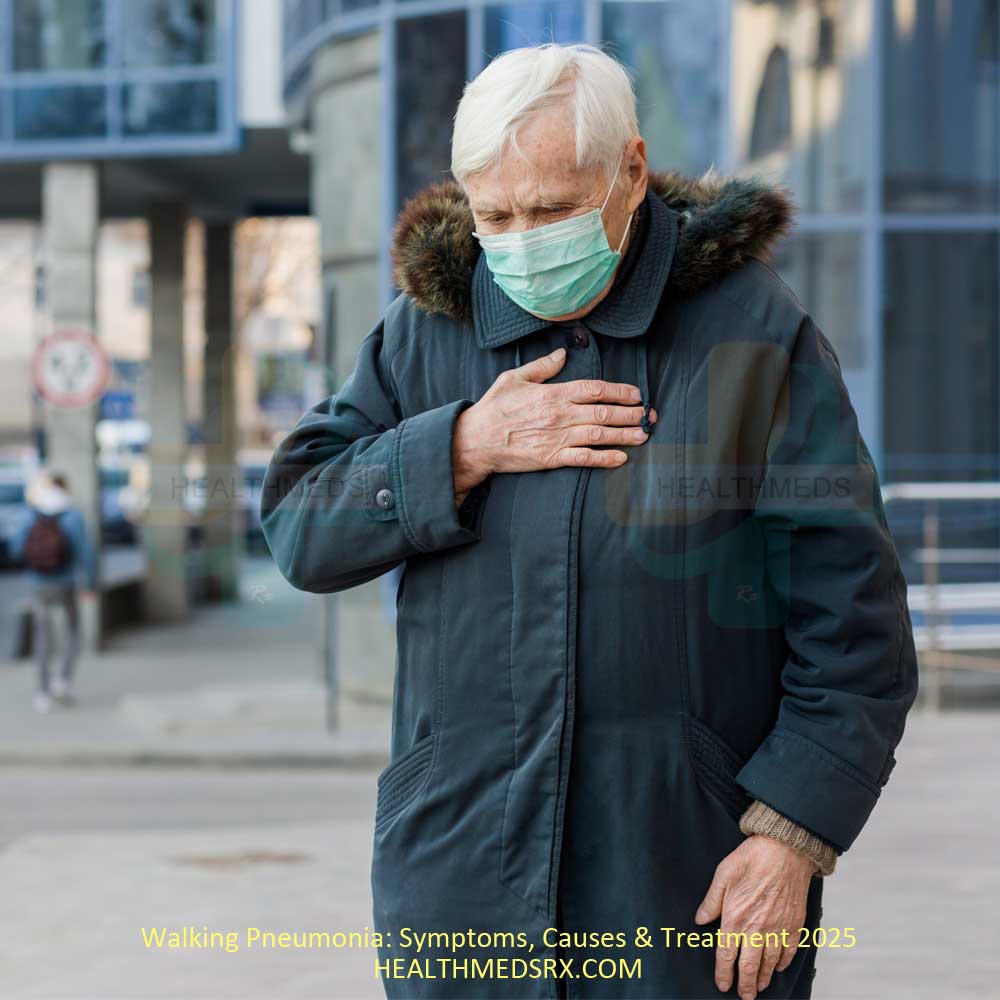
Have you ever heard of Walking Pneumonia? It does not enter your life violently with a raving fever or a hospital bed. It floats into the scene without much noise, like music in the background that you may not remember seeing. You sneeze, you are exhausted, you may miss a couple of gym sessions, and so forth. But there is a protest going on behind that daily weariness, your lungs are protesting.
This is Walking Pneumonia – the disease that allows you to continue walking as it gradually takes away your breath.
With pollution and viral rebounds, coupled with hectic lifestyles that blur the boundary between fatigue and illness, walking pneumonia has become a respiratory riddle that doctors have been encountering at an unprecedented rate in 2025.
What Is Walking Pneumonia?
Walking pneumonia is a mild lung infection that is mostly caused by a bacterium known as Mycoplasma pneumoniae. It does not take you to bed or the emergency room as often as is the case with traditional pneumonia. You may even go to work, hold meetings, or run errands, and utterly oblivious of the fact that an infection is boiling away in your chest.
It is known as walking pneumonia since one is fit to move around but not fit to be healed. Imagine that it is a pneumonia in casual clothes: not so dramatic, yet no less real.
The Subtle Signs – When a Cough is Not a Cough
Pneumonia in a walk does not create much noise; it murmurs. Its symptoms sneak by gradually and present themselves as the common cold:
- A dry cough that will not clear.
- When you breathe deeply, chest tightness or discomfort.
- Fever of low-grade intermittent.
- Fatigue that cannot be cured by any drink of coffee.
- Mild headaches or aches throughout the body.
- Chills or night sweats every now and then.
The symptoms come unobtrusively, and as such, individuals tend to shrug them off hence the proliferation of walking pneumonia in the workplace, school and family.
Walking Pneumonia vs Regular Pneumonia- A Tale of Two Infections
| Feature | Walking Pneumonia | Regular Pneumonia |
| Cause | Mycoplasma pneumoniae | Bacteria, viruses, or fungi |
| Severity | Mild to moderate | Moderate to severe |
| Fever | Low or none | High and persistent |
| Cough | Dry, tickly | Wet, produces mucus |
| Hospitalization | Rarely required | Often required |
| Contagious | Yes | Sometimes |
Bottom line: Walking pneumonia is not so serious to the body and that does not imply that it is not harmful. Unattended, it may develop into full pneumonia- particularly in the young, older adults and those with a compromised immunity.
Walking Pneumonia on the Rise in 2025?
The lungs of the world cannot breathe any easier. Scholars attribute this rise in walking pneumonia to be due to a number of contemporary factors:
- Urban smog and air pollution that is wreaking havoc on the respiratory lining.
- Recurrent post-viral fatigue following the occurrence of flu or the COVID-like infection.
- Indoor settings: Closets, classrooms, offices, flights.
- Transmission of bacterial strains as a result of global travel.
- Stressed immunity and insufficiency due to restlessness.
- In a nutshell, we live in such a way that it is easier to get infected and harder to detect it.
Walking Pneumonia: Is It Contagious?
Yes, but not dramatically so. The virus is transmitted by the means of respiratory droplets when an infected individual speaks, sneezes, or coughs. It can be contracted due to long-term intimate relationships – imagine family members, close ones who live with you, or colleagues who work in the same air-conditioned room.
The trickiness of it is timing: before you know that you are sick you can be contagious. This is why even the mild respiratory symptoms should be respected.
How Doctors Diagnose It?
Walking pneumonia is not an easy disorder to diagnose since its initial symptoms are similar to other diseases. However, diagnostics is sharper in 2025:
- There is a slight inflammation of the lungs demonstrated in chest X-rays.
- Mycoplasma pneumoniae is quickly diagnosed using PCR.
- Antibodies or white-cells are measured in blood tests.
- Current detection assists physicians in initiating therapy earlier – and avoiding the mild infection from developing into a severe one.
Therapy – Back to Simple Breathing
The majority of the cases are sensitive to antibiotics like:
- Azithromycin
- Clarithromycin
- Doxycycline
These drugs prevent the growth of bacteria and relieve symptoms in a few days. Drying, fluid replacement, and tolerance finish the treatment. To get the original and prescribed antibiotics by doctors, visit Healthmedsrx, your reliable internet pharmacy for quality respiratory drugs in a secure and discreet way of delivery.
At-Home Recovery Tips
Walking pneumonia is as much a question of slowing rather than of medicine. The following are ways of making your lungs come back to life:
- Drink lots of water – water loosens mucus and helps to repair lungs. Take a rest when possible. You’re not weak – you’re healing.
- Stay off smoked areas and polluted environments.
- Consume nutritious food such as citrus, ginger, spinach, and protein foods.
- Install a humidifier in case the indoor air is dry.
- Do not hurry back to exercises, make sure to wait until coughing stops.
- The process of recovery typically requires two to four weeks, but certain fatigue can persist.
Prevention: Your Lungs Ahead of the Curve
In a time when infection spreads faster than a rumor, prevention is important. Even little things can be very helpful:
- Wash your hands frequently, particularly after using public transport.
- Do not share utensils, bottles or lip balms.
- The immune system can be improved by proper nutrition and exercise.
- Get vaccinated against the flu and pneumococcal infections as prescribed by the doctor.
- Cover your face in areas where the flu is on or when the air is polluted.
- The most effective air-filtering system that your body has is a healthy routine.
When to See a Doctor?
Call your physician in case you have:
- Wheezing or shortness of breath.
- High or persistent fever
- Pain in the chest that escalates with deep breathing.
- Persistent cough (more than three weeks).
The complications such as bronchitis or full pneumonia, which are much more difficult to battle with your lungs, will be avoided because of early treatment.
Walking Pneumonia in Adults and Children
Children can appear to be unusually fatigued or get a stubborn cough that keeps children awake. Elderly people, in their turn, may not experience fever at all: they may feel disoriented, tired, or lack appetite. Both categories require more medical care, as the immunity of both types of people does not respond to it in the same way.
Complications: The Uncommon But Not Occasional Dangers
The majority of people recover completely; however, ignoring the infection may cause:
- Full pneumonia
- Ear or sinus infections
- Asthma flare-ups
- Infrequently, inflammation of the heart or brain occurs.
It is not to be underrated because it does not feel that bad.
The Silent Lesson of a Mute Contagion
Walking pneumonia is a lesson that not all diseases declare themselves as such loudly. There are those times when it is the slightest cough or the slightest form of fatigue that informs you that your body needs some attention.
The modern life – the hurry, the pollution, the late nights, etc. – takes a toll on our lungs, but they demand so little in their turn: cleaner air, sufficient rest, and early care.
Therefore, the next time your body talks to you, via a never-ending cough, listen. The faster you spot, the faster you breathe again.
Healthmedsrx – your reliable internet provider of real antibiotics, respiratory and the information you require to be one step ahead of an infection.
FAQs Walking Pneumonia
What is the cause of walking pneumonia?
As a rule, Mycoplasma pneumoniae bacteria are transmitted by the droplet mechanism.
Virality of walking pneumonia?
Yes, mildly. It is transmitted by direct interface or common airspaces.
How long does it last?
The majority of them recover after two to four weeks, but they might still feel tired.
Will walking pneumonia resolve itself?
Occasionally, however, antibiotics would reduce the recovery period and relapse.
What is the difference between bronchitis and walking pneumonia?
Bronchitis infects the airways; walking pneumonia infects the lung tissue.
Can I prevent it?
Yes – cleanliness, preventive care and early intervention are your greatest lines of defense.