
Treating Type 2 Diabetes with Tablets & Injectables

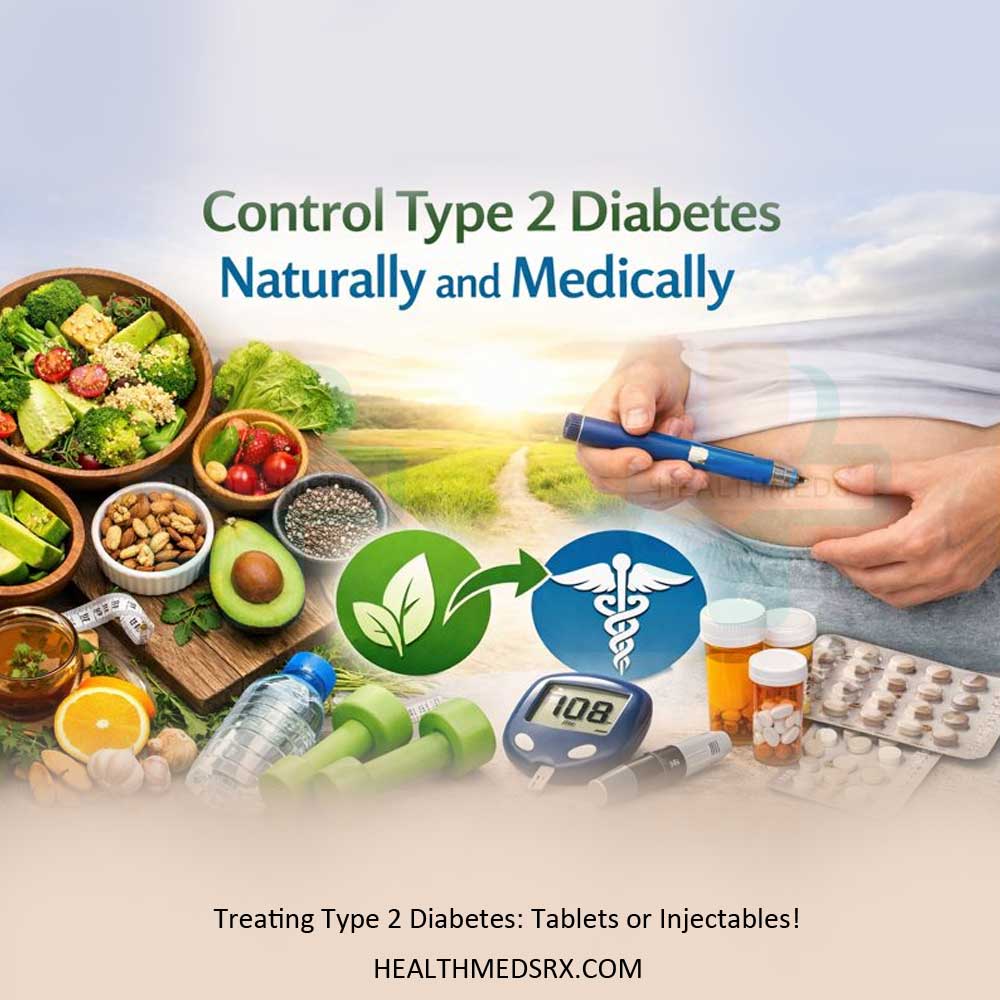
Type 2 diabetes is among the most prevalent chronic diseases, indicating metabolic diseases that affect millions of adults across various lifestyles and ages. The condition is characterized by insulin resistance and impaired secretion of insulin, requiring long-term management as opposed to short-term treatment. The management approach towards type 2 diabetes has changed over the years.
What was once a significant reliance on oral pills has now been broadened to encompass the more sophisticated injectable treatment that would provide improved blood sugar regulation, weight loss, and general metabolic well-being. The current situation enables today’s patients and health professionals to find a variety of options, allowing customization of treatment plans to the needs of each individual.
Understanding the Progression of Type 2 Diabetes
Type 2 diabetes is a progressive condition, and the onset of insulin resistance is common, in which the body cells do not respond to insulin. At the early stages, the body compensates by increasing insulin secretion by the pancreas. Eventually, insulin production can deplete, resulting in ongoing high blood sugar levels.
Due to the different outcomes of the disease in different individuals, the treatment options should be adjusted with the change in the metabolic needs. This is the cause of the progression, where lifestyle changes and pills can be used by many patients, but injectable medications are necessary to ensure their maximum control.
Lifestyle Changes in Early Treatment
Lifestyle changes are the basis of the management of type 2 diabetes before medication is introduced. Insulin insensitivity can be greatly enhanced by the use of a balanced diet, physical exercise, maintaining a healthy weight, and stress management.
These measures can be sufficient on their own, at least to sustain healthy blood sugar levels, provided the diagnosed individual is diagnosed early. Nonetheless, in cases when lifestyle changes do not suffice, medications are necessary to avoid cardiovascular disease, nerve damage, kidney issues, and vision loss.
Oral Tablets: The Traditional First Line of Therapy
The initial pharmacological treatment of type 2 diabetes has been oral antidiabetic tablets. These drugs operate in varying ways, either by decreasing the production of glucose by the liver, increasing insulin sensitivity, or decreasing the absorption and uptake of carbohydrates in the small intestines. The first reason why tablets can be preferred is that they are simple to use, noninvasive, and in most cases, they are well-tolerated.
Oral medications have been shown to regulate blood sugar levels for many patients for many years. Nevertheless, in the case of high-insulin resistance or the deterioration of pancreatic activity, tablets might cease to be effective. Increasing treatment is needed at this point to sustain glycemic targets and decrease the chances of complications.
Limitations of Tablet-Based Therapy
Although oral medication is very important, there exist limitations. There are side effects found in some patients, and some patients discover that they no longer have sufficient glucose control as the disease advances when using a tablet. Also, oral treatments can be weak in weight loss, which is a serious aspect in the treatment of type 2 diabetes. These issues have led to newer treatment options that are able to deal with a variety of aspects of the disease at the same time.
The Shift Toward Injectable Therapies
The use of injectable treatment is one of the significant developments in the management of type 2 diabetes. Modern injectable drugs, unlike the old insulin-only injectable drugs, contain hormone-based therapies that are simulated by the body. These medications not only assist in the reduction of blood sugar but also can be beneficial in weight loss, enhancing insulin sensitivity, and decreasing appetite.
Injections are commonly administered in cases where oral therapy becomes ineffective or where patients have special treatment objectives, for example, great weight loss or better after-meal glucose management. Even though the hesitation of patients towards injections can be overcome, many of them find the injections manageable and even efficient when made a habit.
GLP-1 Receptor Agonists: A Modern Breakthrough
GLP-1 receptor agonists are one of the most significant injections into the treatment of diabetes. These drugs resemble the activity of a natural hormone in the process of glucose regulation and control of appetite. They act on the release of insulin in conditions of high blood sugar, preventing the unnecessary release of glucagon, slowing down the emptying of the stomach, and causing a sense of fullness.
Due to the combined effects, GLP-1 receptor agonists have more advantages besides glucose regulation, such as weight control, and may have some cardiovascular side effects. This contributes to their great significance to a great number of patients with type 2 diabetes, especially those who are faced with the problem of obesity or cardiovascular risk factors.
Erly 6mg Pre-Filled Pen in Type 2 Diabetes Management
Erly 6mg Pre-Filled Pen (Liraglutide Injection) is a type of injectable medication used in the treatment of type 2 diabetes in adults who need a better level of control of their blood sugar levels despite their adherence to diet and exercise prescriptions. Erly 6mg is administered with a convenient pre-filled pen, and it acts by stimulating glucose-dependent insulin release as well as decreasing hunger and slowing down digestion.
This two-fold effect not only assists in normalizing the level of sugar in the bloodstream but also contributes to slow weight loss, which is usually a good thing for people with type 2 diabetes. The pen-based delivery system is easy to use, and thus, it is a convenient System to use when patients are changed to injectable therapy by medical specialists after they were oral medication.
Insulin Therapy
Insulin remains a vital therapy for a large number of people with diabetes, particularly in type 2 and especially at the advanced stages of the illness. As the pancreas fails to produce sufficient insulin, external insulin is required to maintain a normal blood sugar level. The current insulin treatments have many different formulations, such as long-acting, short-acting, and combination insulin, which are flexible and customized in their treatment regimen planning.
However, insulin initiation is not a sign of treatment failure as many people tend to believe. Rather, it is a natural course of the disease and the necessity of proper metabolic support. Insulin therapy may be incredibly important in the prevention of complications and even the quality of life, with appropriate education and monitoring.
Choosing the Right Treatment Plan
The current management of type 2 diabetes does not involve the use of either pills or injections alone; it involves the use of a combination of these that can be taken at the appropriate time. Age, length of diabetes, weight, lifestyle, coexisting conditions, and individual preferences are some of the factors that determine how the treatment is received. A combination therapy incorporating oral and injectable medications is helpful to many patients.
It is essential to have shared decision-making between medical professionals and patients. Patients can be motivated to take and use their medications when they know how they should act and what benefits they should see.
The Importance of Regular Monitoring and Follow-Up
Regardless of the mode of treatment that is present, regular tests of blood sugar are highly significant in the treatment of diabetes. Follow-up is necessary to measure the effectiveness of a treatment plan and to make timely changes. The frequent medical check-ups, including HbA1c tests, kidney tests, and eye tests, are valuable in preventing the development of long-term problems.
The advancement in technology, such as the application of a continuous glucose monitoring system, has also positively influenced the management of diabetes by providing real-time information on the trend of blood sugar levels.
The Future of Type 2 Diabetes Treatment
The management of type 2 diabetes is still evolving, and studies are being conducted on more effective, patient-friendly, and holistic ways of treatment. New classes of drugs, combination therapy, and custom medicine are transforming the management of diabetes.
The growing interest in the significance of weight management, cardiovascular health, and quality of life, as recommended by patients, shifts the focus to the extent to which treatment has changed over the years since glucose was the only thing that significantly mattered.