
Secret Alcohol Medicines: The Hidden Risks Families Ignore

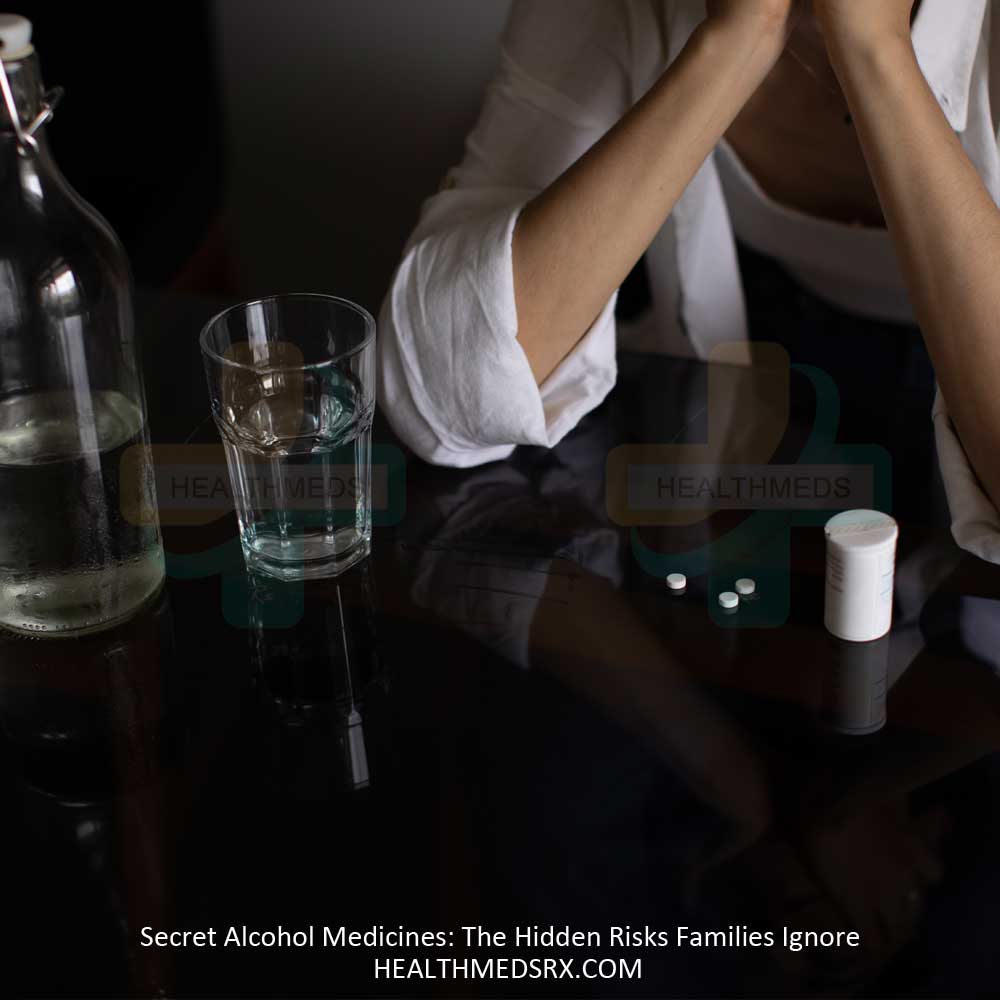
Today we will talk about a topic that is emotional, controversial and quite risky, families secretly dosing inedible alcohol medicines like Esperal, known as Disulfiram; Acamprol, known as Acamprosate; Dizone, called Diazepam; and Alconil, Naltrexone in food, to make the person give up drinking.
Definitely a thriller novel’s plot, isn’t it? But it is happening pretty often, and it is not always a nice rescue. Let us first understand what these drugs are, why people do this, and if the person is unaware of being dosed, what can be the most dreadful outcomes.
Holding on to this rollercoaster!
First, a Quick Primer on These “Sobriety Helpers” Before we get into the details, let’s clarify what these are. These are not normal vitamins but prescription medications that have been approved to be the solution to alcohol dependence and are mainly given in medically supervised detox or rehab settings.
So, here they are:
Disulfiram or Esperal: This is the big bad wolf of the bunch. The way it works is by preventing the enzyme that gets rid of alcohol from the body. If you are on it and have even a little drink, you will be hit with an awful “disulfiram-ethanol reaction”: severe flushing, nausea, vomiting, chest pain, difficulty in breathing, and, in extreme cases, heart attacks or seizures.
It is intended to discourage drinking by the fear of these symptoms.
The Best Medication for Stopping Alcohol Habbit!
- Acamprol 333mg (Acamprosate): A gentler one that supports the brain after alcohol is quit. It minimizes the desire for alcohol and withdrawal symptoms such as anxiety and sleeplessness, thereby making sobriety less difficult. There is no reaction in this case, but it is still very strong.
- Dizone 250mg (Diazepam): This drug is a benzodiazepine and is mainly used to relieve the symptoms of alcohol withdrawal, which may be associated with tremors, seizures or delirium. It calms; it is very addictive and can cause lethargy, confusion, and addiction if not taken properly.
- Alconil 500 mg: A brand name for Naltrexone, which is the one that blocks the “reward” effects of alcohol in the brain that cause the craving for more. It is a relapse prevention medicine; it does have a few side effects, for instance, nausea or dizziness.
They are not off-the-shelf items; only a doctor can prescribe them. They are the alcohol-free, but powerful weapons in the war against addiction.
The “Well-Intentioned” Sneak Attack: Why Do Families Do This?
Imagine this: A family member of the alcoholic spiral is you. The alcoholic has been through intervention, rehab, and promise, but nothing has worked. In a desperate move, a spouse, a parent, or a sibling thinks, “What if I put some of this anti-craving stuff in the food?” Without the inconvenience of convincing them, it would help them quit.
It is due to love, frustration, and a pinch of Hollywood inspiration-an “intervention” TV show.
But here is the trick: Doing it without their knowledge and consent is very questionable from an ethical point of view. It’s not just the medicine but more about autonomy and, to a large extent, trust.
The dark side: What happens when it is done unknowingly?
Now, we have the attractive and scary part. The consequences of such secret administration of a drug may differ in severity and could be life-threatening, apart from the discomfort they can cause.
Now, let’s analyze each medication with the help of real medical knowledge and reported cases:
1. The Esperal Nightmare: A Booze Bomb Waiting to Explode
Situation: The person that you love opens a beer or takes a wine sip. He doesn’t know that he has been dosed. The disulfiram reaction impacts him as if a train hits him.
Possible Consequences: The red, sweaty face, headache, and vomiting may be some of the symptoms. Besides that, respiratory distress, heart arrhythmias, and even death may occur. I stumbled on stories where people thought they had a heart attack, so they went to the ER, but it turned out the attack was caused by hidden Disulfiram.
Later on, there are risks of permanent liver damage due to repeated reactions or psychological trauma, which may increase the distrust of the family members. What if they catch you?. Your relationship will be at stake.
2. Acamprol’s Sneaky Side Effects: Not So Gentle
Situation: The person is taking it without his knowledge and the cravings coming from his body are quiet, but side effects appear little by little.
Possible Consequences: The main problems that may arise are diarrhea, nausea, and dizziness. In case some medications are taken along with alcohol (which they may still consume), the withdrawal symptoms might be aggravated and dehydration may occur.
In the worst case scenario, an Allergic reaction or interaction with other substances can be confusing and at a greater risk of falls or stumbles, and the elderly in particular can be severely impacted.
3. Dizone’s Double-Edged Sword: Addiction in Disguise
Situation: The person chews the food into which the “calming” agent is slipped, and he doesn’t know why he feels strange.
Possible Consequences: Benzodiazepines like Diazepam can cause extreme drowsiness, memory lapses, or paradoxical agitation, which is the type of agitation in which the person becomes even more anxious. Over time, it can lead to dependence; thus, a new addiction will be the outcome.
If the person drinks alcohol, this will inevitably be the cause of blackouts, overdoses, and respiratory failure. Among the terrifying stories of real life is the part of waking up in the hospital without any memory of how one got there.
4. Alconil’s under-the-radar risks: Nausea and beyond
Scenario: To limit the desire to drink, the drug is administered without the person knowing it.
Possible Consequences: The very first side effects of Alconil are nausea, headaches, or fatigue. Alcohol consumption during medication may not lead to a violent reaction, but it can result in severe depression, suicidal ideation, or liver problems. Moreover, if the person is taking opioids (most common with dual addictions), they can experience withdrawal symptoms.
Broader Consequences: Beyond the Body
- Trust Erosion: The unveiling of the deception can do damage to the trust and relationships within the family. Think of the situation when you find out that your life partner has been deliberately putting poison in your food– even if it was “for your own good.” The therapy costs go up drastically.
- Legal and Ethical Quagmires: It is generally considered assault or battery when a person is medicated without their consent in various locations. This type of behavior might result in lawsuits or being cut off from the family.
- Ineffectiveness: The addiction of a person cannot be solved by doing things behind their back; it requires the consent of the person. Secretly giving doses usually results in the feeling of being wronged rather than the recovery process.
- Health Escalation: Moreover, if the person has certain health issues (for example, cardiovascular problems or mental illnesses), the consequences may be fatal.
- A Better Way: Ethics, Consent, and Real Help. Absolutely, the alcoholic situation makes one desperate; it is not by stealth of the medications that the problem is solved. Giving medication without the knowledge of the addict is not the solution.
What then? Discuss it: Be open to talks or calling a professional if necessary.
- Professional Help: A doctor can give the medicine he/she prescribe legally and with supervision. Places such as AA or rehab centers may provide the necessary help and support for the person involved.
- Alternatives: There are also non-medical avenues such as therapy (CBT), support groups, or even mobile applications for recording one’s sobriety, which are very effective and do not have any disadvantages.
- Ethics: Adults should be treated as adults; giving “help” forcefully may result in more harm than good.
- Wrapping It Up: Love with Boundaries. At the end of the day, giving someone medicine without their knowledge to make them sober might look like a quick way to save the situation, but in reality, it’s a quick way to create trouble.
It might save a life or it might ruin it. If you are thinking about doing this, stop for a moment and ask yourself: Is this really love or is it control? Instead, seek the help of a professional.