
Red Light Therapy: The Science, Benefits, and How It Transforms Your Health

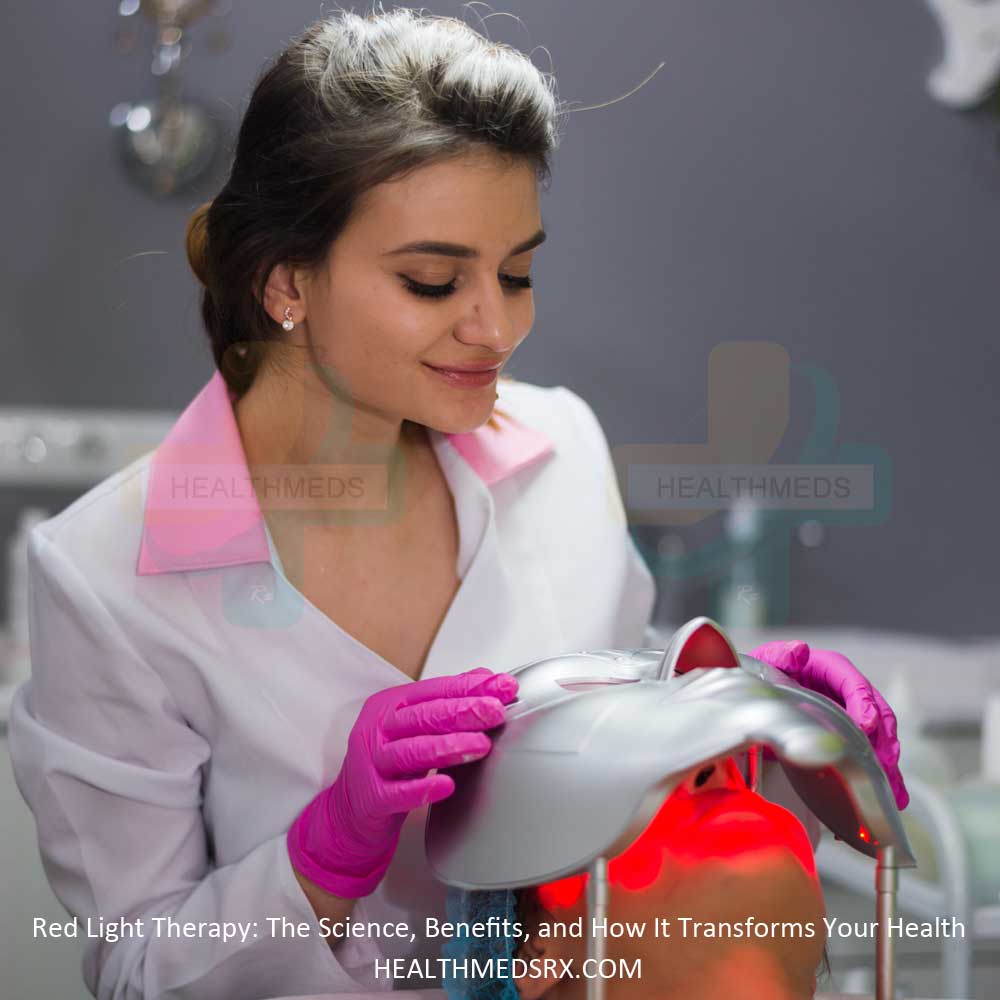
Red light therapy has quickly gained popularity as one of the most popular wellness trends that promise everything, including anti-aging effects, pain relief and enhanced muscle recovery. Contrary to most health trends that come and disappear, red-light therapy is supported by the increasing scientific findings and complemented by actual outcomes.
In this post, we break down what red-light therapy is, how it works, its proven benefits, potential risks, and how to choose the right device for home or clinical use.
Red Light Therapy (RLT): What Is It and How Does It Work?
Red-light therapy (also photobiomodulation or low-level laser therapy (LLLT)) is a type of therapeutic method that applies special wavelengths of red and near-infrared (NIR) light to the body in order to induce the natural healing of the body. The red and NIR light are absolutely non-ionizing and do not harm the skin, as opposed to UV rays that can do so.
The common red-light therapy wavelengths are:
- 630-660 nm for red light
- 810-880 nm for near-infrared light
These wavelengths reach the skin and tissues at different levels and cause biological reactions on the cellular level. The major advantage of red light is that it will mainly serve the surface of the skin, whereas the near infrared light will reach deeper into the muscles, joints, and connective tissues, which makes the therapy common in both cosmetic and medical therapy.
The mechanism of red light therapy is also not complicated: photons (light energy) are absorbed by cells, which stimulates cell regeneration and contributes to the enrichment of biological processes. This renders it a great healing, anti-aging, pain-relieving and wellness tool.
The Science behind the Red Light Therapy: Understanding the Mechanisms
To comprehend red light therapy, it is relevant to understand what occurs at the cellular level.
Mitochondria, which are found in every cell, are considered the powerhouse of the cell, producing the energy molecule known as ATP (adenosine triphosphate). As the cells take in red and near-infrared light, mitochondrial activity becomes efficient, causing:
- Increased ATP production
- Reduced oxidative stress
- Improved cell repair and regeneration
- Reduced inflammation
Basically, red light therapy increases the self-healing and functionality of the body.
Also, red light induces enhanced collagen synthesis, enhanced blood circulation, and inflammatory pathway control, which is useful in cosmetic and medical applications.
Key Health Benefits of Red Light Therapy Backed by Research
Red-light therapy is not a mere beauty treatment-it has so many benefits that have been proven by medical studies.
-
Skin Rejuvenation and Anti-Aging
Red light increases collagen and elastin production, which assists in:
- Lessen fine lines and wrinkles.
- Improve skin firmness
- Minimize pores
- Reduce redness
- Fade acne scars
This is the reason why RLT is often applied to facials, beauty spas and dermatologist-recommended home devices.
-
Pain Relief
Light of the red and NIR penetrates the deep tissues and joints and accelerates the inflammation and the healing process. It is often used for:
- Arthritis
- Tendonitis
- Lower back pain
- Joint stiffness
- Post-injury recovery
Quick and natural pain management in athletes and physiotherapists is often based on RLT.
-
Wound Healing
The way that RLT enhances tissue healing is through increasing cell regeneration and enhancing blood circulation to the area that is injured. It has been applied successfully in the treatment of:
- Minor burns
- Surgical wounds
- Diabetic ulcers
- Scar formation
-
Muscle Recovery and Performance Enhancement
Since RLT enhances the performance of the mitochondria in terms of their functioning and circulation, athletes take RLT to:
- Speed up muscle recovery
- Improve strength output
- Reduce exercise-induced inflammation
- Decrease fatigue
It’s considered a natural performance-boosting tool without side effects.
-
Hair Growth Stimulation
Red light therapy is encouraging to patients with hair thinning or hair loss at the early stages as well. It is used in order to rejuvenate slumbering follicles, prevent hair fall and prolong the hair growth cycle, resulting in fuller and stronger hair.
How to Use Red Light Therapy?
Red light therapy is very flexible and universal. Here’s how it’s commonly used.
-
Home Use Devices
With the rise of at-home LED panels, masks, and handheld devices, RLT has become more convenient than ever. Home devices allow users to:
- Improve skin texture
- Reduce acne
- Relieve mild pain
- Support hair growth
The majority of the at-home sessions take 10-20 minutes and can be performed multiple times a week.
-
Clinical Applications
Dermatologists, physiotherapists, and sports rehabilitation centres use medical-grade devices for:
- Chronic pain therapy
- Post-surgical healing
- Skin resurfacing recovery
- Inflammation management
Such devices tend to be more powerful, and they provide faster results.
-
Beauty and Spa Treatments
There are numerous salons that provide RLT with red-light therapy and cosmetic treatment to complement other skin treatments.
-
Fitness and Sports Rehabilitation
Gyms, sports clinics, and even professional athletes apply RLT to repair muscles most efficiently and increase performance.
Is Red Light Therapy Safe?
Red light therapy is deemed to be very safe when used properly. It does not have any UV rays, does not heat the skin, and does not harm tissue. There are minimal side effects that are mild in nature, like temporary reddening or dryness.
Nevertheless, the use should be attended to by the subsequent people before it can be used:
- Pregnant women
- People with photosensitive skin disorders
- Those taking photosensitizing medications
- Individuals who have cancer or are being treated for cancer.
When using devices with high intensity, the use of protection on the eye should be used properly.
The Red Light Therapy Guide: Selecting the Right Red-Light Therapy Device
The appropriate choice of the device guarantees efficiency and security. The following are the most important factors in this case:
-
Wavelength Range
Search devices to offer 630-660 nm (red light) and 810-880 nm (near-infrared) wavelengths, which are scientifically established to be therapeutically effective.
-
Light Intensity (Irradiance)
Increased irradiance implies deeper penetration and reduced treatment periods. Aim for:
- 30-60 mW/cm2 for basic home use
- 60+ mW/cm2 for therapeutic use
-
FDA-Cleared or Certified Devices
Look for medical-grade, safety-tested, or FDA-cleared products to ensure reliability.
-
Device Type
Options include:
- LED panels (optimal in the treatment of the whole body)
- Face mask (skin rejuvenation)
- Handheld devices (for targeted pain areas)
-
Testimonials and User Reviews
The experiences of fellow users will help you determine how long and efficient a device is.