
How Innerwear Hygiene Impacts ED & Male Reproductive Health?

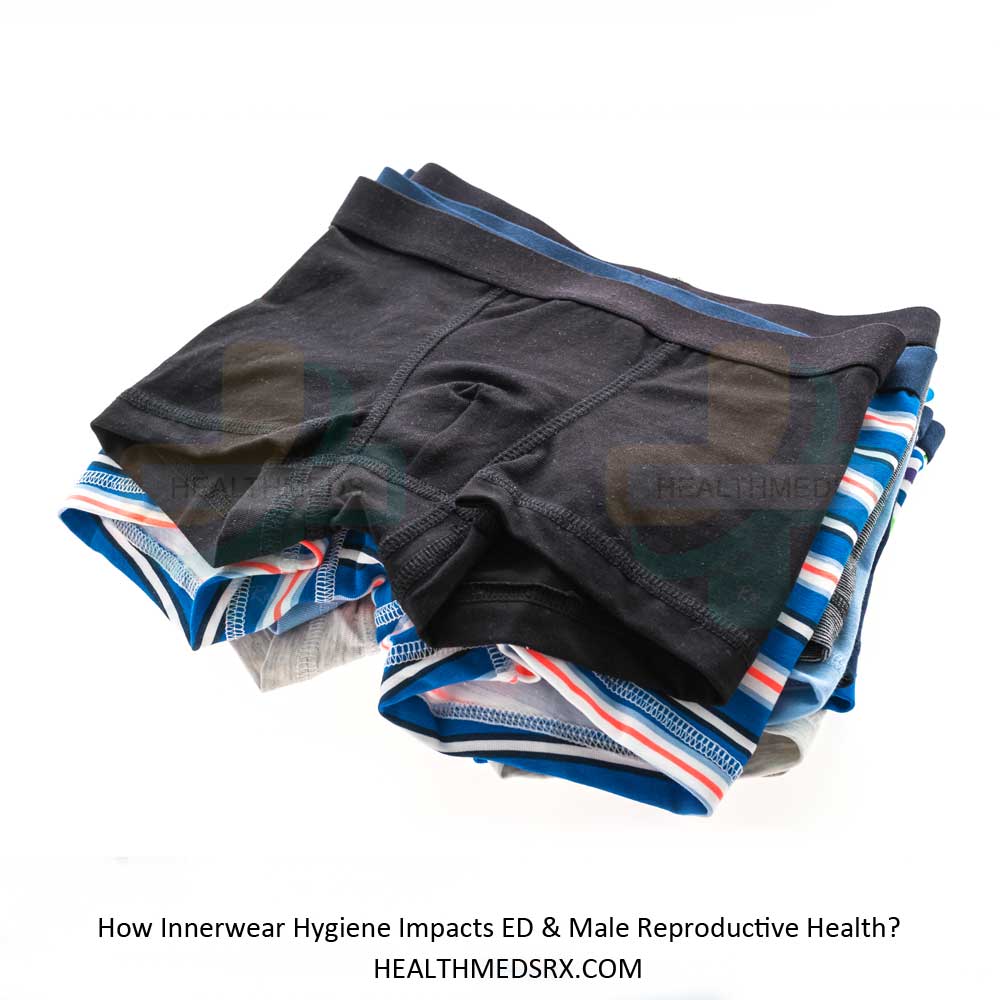
The Connection Between Innerwear Hygiene and Male Reproductive Health
Innerwear hygiene refers to the practices surrounding your choice, care, and maintenance of underwear, encompassing fabric selection, fit, frequency of changing, and washing routines. These seemingly mundane decisions play a more significant role in male reproductive health than you might expect, affecting everything from testicular temperature regulation to infection prevention.
Erectile disorder (ED) is the chronic incapability to gain or maintain an erection sufficient for sexual activity. While innerwear habits don’t directly cause ED, they can influence factors that contribute to broader reproductive health concerns. Poor underwear choices may affect sperm quality, create uncomfortable conditions that lead to infections, or cause temporary circulation issues, all of which can indirectly impact your sexual well-being.
Understanding how innerwear hygiene habits influence ED and overall reproductive health requires recognizing the distinction between direct causation and contributing factors. You’ll discover throughout this article that:
- Your underwear choice affects testicular temperature, which directly impacts sperm production and quality
- Breathable fabrics and proper fit prevent moisture build-up and reduce infection risk
- Tight underwear creates temporary discomfort but doesn’t cause clinical erectile dysfunction
- Good innerwear hygiene complements, rather than replaces, comprehensive health practices for preventing ED
The relationship between what you wear underneath and your reproductive health is nuanced, deserving a closer examination of the facts versus the myths.
Understanding the Factors Behind Erectile Dysfunction and Male Reproductive Health Issues
Erectile dysfunction is caused by a variety of factors that go beyond just what you wear underneath your clothes. To fully understand how innerwear hygiene relates to overall male sexual health, it’s important to grasp these underlying causes.
Physical Causes That Affect Erectile Function
Your cardiovascular system plays a critical role in achieving and maintaining erections. When blood vessels become narrowed or damaged due to conditions like atherosclerosis, high blood pressure, or high cholesterol, blood flow to the penis decreases significantly. Diabetes is another major physical contributor, as elevated blood sugar levels can harm both blood vessels and nerves necessary for erectile function.
Hormonal imbalances, particularly low testosterone levels, directly impact your sexual desire and ability to achieve an erection. Neurological disorders such as multiple sclerosis, Parkinson’s disease, or spinal cord injuries can disrupt the nerve signals between your brain and reproductive organs. Certain medications, including antidepressants, blood pressure drugs, and antihistamines, list erectile dysfunction as a known side effect.
Psychological and Lifestyle Contributors
Your mental state has a significant effect on your sexual performance. Stress, anxiety, and depression trigger hormonal and neurological responses that interfere with arousal and erectile function. Performance anxiety creates a self-perpetuating cycle where worrying about sexual performance actually causes the very problem you fear.
Lifestyle choices are factors affecting male reproductive health that you have direct control over:
- Smoking damages blood vessels and reduces nitric oxide production, both essential for erections
- Excessive alcohol consumption depresses your nervous system and can cause temporary or chronic erectile issues
- Obesity contributes to vascular disease and hormonal imbalances that affect sexual function
- Sedentary lifestyle reduces cardiovascular health and testosterone production
- Poor sleep patterns disrupt hormone regulation and energy levels
Direct Versus Indirect Influences
It’s important to distinguish between factors that directly prevent erectile function and those that create conditions leading to dysfunction. Cardiovascular disease directly restricts blood flow to erectile tissue. Nerve damage directly interrupts the signals needed for arousal.
On the other hand, indirect influences create an environment where erectile dysfunction becomes more likely. Poor innerwear hygiene falls into this category. In fact, poor innerwear hygiene can contribute to various health issues that may indirectly lead to erectile dysfunction.
How Your Choice of Underwear Can Impact Your Fertility?
Your testicles hang outside your body for a specific biological reason: they need to maintain a temperature approximately 2-4 degrees Celsius cooler than your core body temperature for optimal sperm production. The impact of underwear on reproductive health begins with this fundamental principle of temperature regulation.
Understanding the Effects of Underwear Styles
Different underwear styles create distinct thermal environments for your reproductive organs:
- Boxers: Allow maximum airflow and keep your testicles away from body heat, maintaining that crucial cooler temperature.
- Briefs and tight-fitting underwear: Hold everything closer to your body, potentially raising scrotal temperature and affecting the delicate process of spermatogenesis, the production and development of sperm cells.
Research Findings on Underwear Type and Fertility
Research examining underwear type and fertility has produced compelling findings. A study conducted at Harvard T.H. Chan School of Public Health found that men who primarily wore boxers had sperm concentrations that were 25% higher than men who wore tighter-fitting underwear styles. The same study revealed that boxer-wearers also had 17% higher total sperm counts and 33% more swimming sperm in a single ejaculate compared to men who wore briefs or jockey shorts.
The Mechanism Behind These Differences
The mechanism behind these differences relates directly to heat exposure:
- Tight underwear: Creates a microenvironment where heat becomes trapped against your skin, raising testicular temperature.
- Compression: From snug-fitting styles physically holds your testicles against your body, preventing natural temperature regulation.
- Synthetic fabrics: In many tight underwear options reduce breathability, compounding the heat retention problem.
- Loose-fitting options: Allow your scrotum to hang naturally, facilitating air circulation and cooling.
Understanding the Timeframe for Sperm Quality Improvement
You should understand that these effects on sperm quality don’t happen overnight. Sperm takes approximately 74 days to fully develop, meaning the underwear choices you make today influence the sperm you’ll produce two to three months from now. Men trying to conceive may see improvements in sperm parameters by switching to looser underwear styles for at least one full sperm production cycle.
The temperature difference might seem minor, we’re talking about just a few degrees, but your sperm cells are remarkably sensitive to heat stress. Even small, sustained increases in scrotal temperature can impair sperm function and overall fertility potential.
Maintaining Good Innerwear Hygiene for Optimal Reproductive Health
Innerwear hygiene practices for reproductive health go beyond simply changing your underwear regularly. The fabric you choose and how your underwear fits play crucial roles in maintaining the delicate balance your reproductive system requires.
Breathable Fabrics: Your First Line of Defence
Cotton and bamboo fabrics stand out as the gold standard for men’s underwear. These natural materials allow air to circulate freely around your genital area, which serves two critical functions:
- They help regulate temperature by allowing heat to escape rather than trapping it against your skin.
- They wick away moisture from sweat, reducing the risk of creating a breeding ground for bacteria and fungi.
The Risks of Synthetic Materials
Synthetic materials like polyester or nylon trap heat and moisture against your skin. This creates an environment where harmful microorganisms thrive, increasing your risk of developing infections such as jock itch or bacterial overgrowth. These infections cause discomfort, irritation, and can indirectly affect your sexual health by making physical intimacy uncomfortable or painful.
Prioritizing Natural Fabrics
You should prioritize underwear made from:
- 100% cotton – The classic choice that provides excellent breathability
- Bamboo fabric – Naturally antimicrobial and moisture-wicking
- Modal – A semi-synthetic option that offers good breathability
- Merino wool blends – Excellent for temperature regulation and odor control
The Proper Fit Equation
Your underwear should provide support without creating pressure points or restricting blood flow. When underwear fits too tightly, it compresses the blood vessels in your groin area, potentially affecting circulation to your reproductive organs. This compression can cause temporary numbness or discomfort, though it rarely leads to serious medical issues.
Finding the Right Fit
You want to find underwear that sits comfortably at your waist without digging into your skin. The leg openings should provide a secure fit without creating red marks or indentations on your thighs. If you notice any of these signs, your underwear is too tight:
- Red marks or indentations that remain visible after removing your underwear
- Numbness or tingling sensations in your groin or upper thighs
- Difficulty moving
Debunking Myths: Can Tight Underwear Really Cause Erectile Dysfunction?
You’ve probably heard someone claim that wearing tight underwear causes erectile dysfunction. This widespread belief has created unnecessary anxiety for many men who prefer snug-fitting briefs or athletic underwear. Let me set the record straight: tight underwear does not directly cause erectile dysfunction.
The myths about tight underwear causing ED stem from a misunderstanding of how erectile function actually works. ED occurs when you cannot achieve or maintain an erection sufficient for sexual activity, and this condition has specific physiological causes that tight underwear simply cannot trigger. Your erectile function depends on adequate blood flow to the penis, proper nerve signaling, and hormonal balance, none of which are permanently compromised by your choice of underwear.
What tight underwear can cause is temporary discomfort. You might experience:
- Mild numbness or tingling from nerve compression
- Temporary circulation restriction that resolves immediately after removing the garment
- General discomfort that affects your mood or confidence
These sensations disappear once you change into looser clothing. They don’t create the lasting vascular or neurological damage required for clinical erectile dysfunction to develop.
The real culprits behind ED are far more serious than your underwear drawer. Cardiovascular disease ranks as the leading physical cause, as the same arterial blockages that affect your heart also restrict blood flow to your penis. Hormonal imbalances, particularly low testosterone, disrupt your sexual function at a fundamental level.
Psychological factors carry equal weight. Chronic stress floods your body with cortisol, which suppresses sexual arousal. Anxiety about sexual performance creates a self-fulfilling cycle of dysfunction. Depression alters brain chemistry in ways that diminish libido and erectile capacity.
Your lifestyle choices, smoking, excessive alcohol consumption, sedentary behavior, and poor diet, contribute more to ED risk than any underwear style ever could. These factors damage your cardiovascular system and metabolic health, creating the conditions where erectile dysfunction thrives.
Best Practices for Supporting Your Reproductive Health Through Innerwear Choices
Implementing best practices for innerwear hygiene starts with selecting the right underwear for your body and lifestyle. You want styles that strike a balance between support and comfort, think boxer briefs or trunks that keep everything in place without creating excessive pressure on your genital area. The key is finding underwear that doesn’t ride up, bunch, or squeeze too tightly around your thighs or waistband.
Choosing the Right Underwear
When shopping for underwear, pay attention to the fabric composition. Cotton remains the gold standard because it allows your skin to breathe and naturally wicks away moisture. Bamboo-derived fabrics offer similar benefits with added antimicrobial properties. You should avoid synthetic materials like polyester or nylon for everyday wear, as these trap heat and moisture against your skin, creating an environment where bacteria and fungi thrive.
Establishing a Daily Routine
Your daily underwear routine matters just as much as your choice of style. You need to change your underwear every single day, no exceptions. If you exercise or sweat heavily during the day, consider changing twice. This simple habit prevents the accumulation of sweat, dead skin cells, and bacteria that can lead to infections or irritation.
Washing Your Underwear Properly
Washing your underwear properly extends beyond just tossing them in the machine. You should:
- Wash underwear in hot water (at least 140°F/60°C) to kill bacteria and fungi
- Use a quality detergent without harsh chemicals or strong fragrances
- Avoid fabric softeners, which can reduce breathability and cause skin irritation
- Replace underwear every 6-12 months, or sooner if elastic becomes worn or fabric develops holes
Paying Attention to Fit
The fit of your underwear deserves special attention. You want enough room in the pouch area to allow your testicles to hang naturally away from your body, maintaining optimal temperature regulation. If you notice red marks, chafing, or discomfort after wearing certain underwear, that’s your body telling you the fit isn’t right.
Integrating Innerwear Hygiene with a Holistic Approach to Preventing Erectile Dysfunction
Understanding how innerwear hygiene habits influence ED and overall reproductive health requires viewing these practices as one component of a comprehensive wellness strategy. Your underwear choices work best when paired with lifestyle modifications that address the root causes of erectile dysfunction.
The Four Pillars of a Holistic Approach to Preventing ED
A holistic approach to preventing ED centers on four foundational pillars that directly impact vascular health and hormonal balance:
- Cardiovascular exercise
- Resistance training
- Dietary choices
- ED medications
You need to prioritize cardiovascular exercise at least 150 minutes weekly, as improved blood circulation benefits both heart health and erectile function. Resistance training helps maintain healthy testosterone levels, which play a critical role in sexual performance and desire.
Your dietary choices create the biochemical environment for optimal reproductive function. Consuming foods rich in antioxidants, omega-3 fatty acids, and nitric oxide precursors supports the endothelial function necessary for achieving and maintaining erections. The Mediterranean diet pattern has shown particular promise in reducing ED risk through its emphasis on whole grains, leafy greens, fatty fish, and nuts.
The Importance of Stress Management Techniques
Stress management techniques deserve equal attention in your daily routine:
- Practicing mindfulness meditation for 10-15 minutes daily reduces cortisol levels that interfere with sexual arousal
- Maintaining consistent sleep schedules of 7-9 hours supports hormonal regulation
- Engaging in regular social connections and meaningful relationships buffers against psychological stressors
How Innerwear Hygiene Practices Support Your Efforts
Your innerwear hygiene practices amplify these efforts by preventing infections and discomfort that could derail your sexual health goals. When you combine breathable, properly-fitted underwear with regular physical activity, you create optimal conditions for testicular temperature regulation and blood flow. The daily habit of changing into clean underwear reinforces your commitment to self-care, establishing a mindset that extends to other health-promoting behaviors.
This integrated approach recognizes that erectile function depends on multiple interconnected systems, vascular, neurological, hormonal, and psychological, all working in harmony.
At last
Your choice of underwear is more important than you might think when it comes to reproductive health. It’s not just about one thing causing big problems, it’s about creating an environment where your body can work its best.
How your innerwear hygiene habits affect erectile dysfunction (ED) and overall reproductive health is all about supporting your body’s natural processes. You’re helping keep the temperature of your testicles right, stopping infections that can cause discomfort, and making sure blood flow is good. These things won’t cure ED by themselves, but they remove unnecessary barriers that could make existing health issues worse.
Think of good innerwear hygiene as part of a bigger picture. You can’t expect changing your underwear alone to fix all your health problems, just like exercise alone won’t solve everything. The key is to combine smart underwear choices with:
- Regular physical activity
- Healthy eating habits
- Effective stress management
- Quality sleep
- Regular health check-ups
Your reproductive health needs attention in all these areas. Start with simple changes, wearing breathable fabrics, finding the right fit, changing daily, and build from there. You’re investing in your long-term well-being, one comfortable choice at a time. Take action today by looking at your current innerwear habits and finding one area where you can make an immediate improvement.