
The Impact of Air Quality on Brain Function: Focus, Memory & Mood

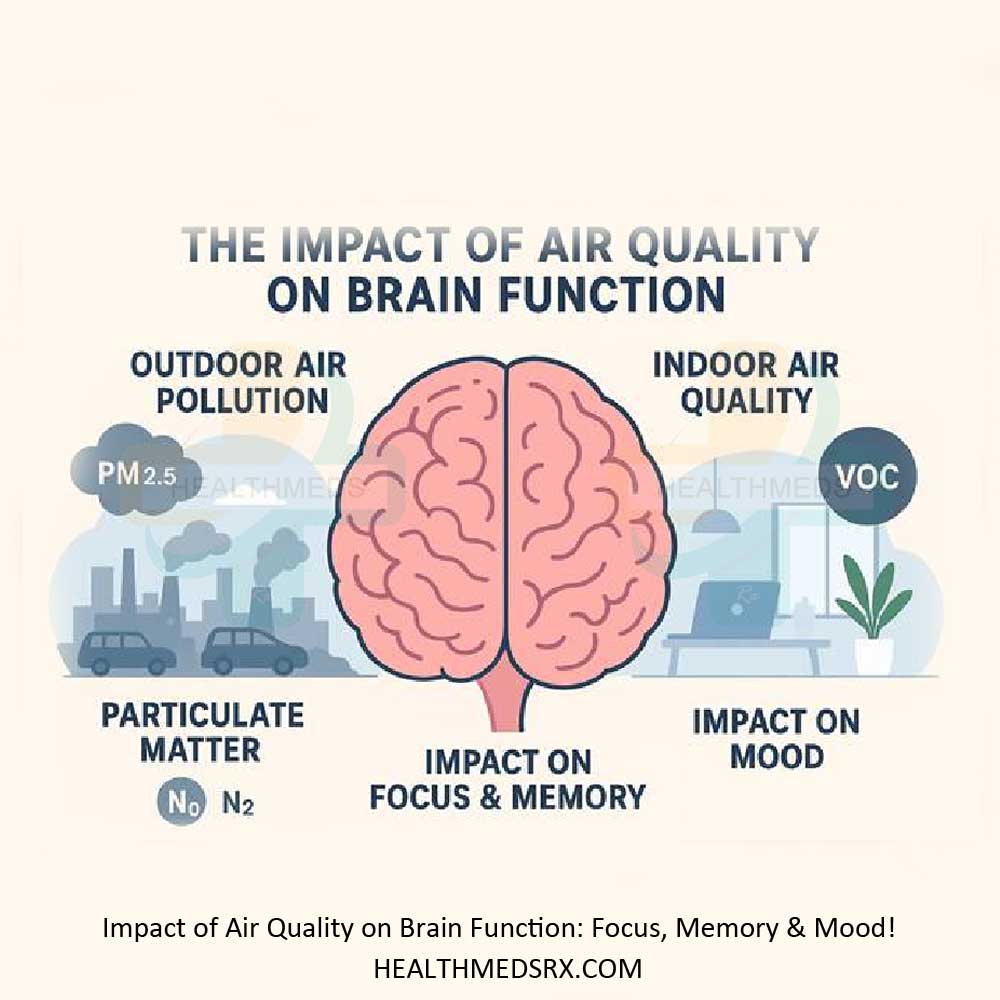
Each breath you inhale not only fills your lungs but affects your brain function as well. The quality of the air that you breathe, be it fresh, clean or polluted, affects your thinking capacity, emotional state and mental performance significantly. In the smog of a big city and the fumes of your own house, air quality is an important factor in the clarity of thought, the memory performance and the consistency of mood.
According to recent scientific studies, it is not just the physical health that suffers due to the poor quality of air, but the brain is slowly being eroded with little or no noise, leading to forgetfulness of some events, inability to concentrate, and even mood conditions. We are going on a quest to discover the effects of outdoor and indoor air pollution on your mental clarity and what you can do to shield your brain.
Air Quality: What’s the Difference between Pollution and Healthy Air?
The Air Quality Index (AQI) is a measure of the air quality that is commonly used to determine the quality of the air. The lower the AQI, the cleaner the air, the more harmful the pollution is (100 and higher).
The key pollutants that affect the quality of the air include:
- Particulate Matter (PM2.5 and PM10): Tiny particles of vehicle emissions, dust, and even smoke which can come to the deepest parts of the lungs and even the brain.
- Nitrogen Dioxide (NO 2): generated by automobiles and power plants, which is linked to inflammation of the brain.
- Sulfur Dioxide (SO2): This is emitted through the combustion of coal and industry and it is not only irritating to the lungs but also the nervous system.
- Volatile Organic Compounds (VOCs): The VOCs are found indoors in paints, cleaning products and air fresheners and could cause a headache and fatigue.
- Carbon Monoxide (CO): It robs the brain of oxygen leading to mental grogginess as well as dizziness.
When these levels of such pollutants increase, oxidative stress and neuroinflammation occur in the brain. It can influence the cognitive capacity and emotional stability in the long term, and clean air is not a component of a healthy respiratory system only, but also of the brain.
What the science says about the relation between air quality and cognitive function?
The connection between air pollution and cognitive decline has already been proven in recent studies. The brain is highly sensitive to oxygen, and therefore, it is prone to the bad impacts of contaminated air.
Fine particulate matter (PM2.5) and other pollutants have been determined to be able to circumvent the blood-brain barrier and induce neuroinflammation, impaired neural connectivity, and oxidative stress. This can not only damage the neurons but also the ability of the brain to perform certain essential cognitive functions such as attention, memory and decision making.
A study at Harvard University determined that after a period of exposure to contaminated air, people could not perform better in cognitive tests, particularly on the hypothesis that memory and verbal skills were impaired. A study published in Environmental Health Perspectives found that air pollution has neurotoxic impacts and this also leads to structural alterations in the brain as was observed in Alzheimer’s disease.
These results indicate that long-term exposure to low air quality not only makes you sleepy but may also enable age to have a quicker effect on your brain and overall ability to process information in your brain.
How Outdoor Pollution Affects Focus and Memory in Everyday Life.
City life is frequently filled with traffic, factories, and construction sites and the consequences of all these can negatively affect day-to-day mental activity, which is negatively affected by long-term exposure.
One of the most researched items that influences brain performance is air pollution as a result of traffic. Individuals near the high-traffic roads are reported to have lower levels of attention span, lower speed of reaction, and poor short-term memory.
A 2021 article in Nature Aging had indicated that people in highly polluted cities had lower scores in cognitive performance tests than those in less-polluted places. This is an indication that the mental exhaustion that you experience when you work long hours in the city might not necessarily be stress it might actually be the air that is influencing your brain.
Children and the elderly are also the most susceptible to outdoor pollution since their brains are highly vulnerable to environmental stressors. A child who is subjected to air pollution has less academic achievement and cognitive development whereas with older ones, cognitive deterioration may be accelerated.
The role of Indoor Air Quality: Why your Home or Office Environment matters.
The majority of individuals spend approximately 90 percent of their time indoors but indoor air quality is not always as popular as outdoor pollution. Nonetheless, indoor air may be twice to five times more contaminated because of low aeration and chemical releases from daily goods.
The usual indoor pollutants are:
- VOCs of paints, cleaning sprays and furniture.
- Mold spores and dust mites
- Poor ventilation contributes to carbon dioxide.
- Cooking smoke or candles.
Such pollutants may lead to brain fog, irritability and fatigue of the mind. When there is poor ventilation, the level of CO2 increases, the level of oxygen is low to reach the brain and low productivity and concentration.
Clear thinking and control of moods are supported by a well-ventilated room with clean air. Even basic solutions, such as airflow improvement, HEPA filters, air-purifying plants, such as spider, snake, or peace lily will help greatly to improve indoor air quality and brain functioning.
Mood Disorders and the Substantial Impact of Low Air Quality: A Summative.
Poor quality of air may affect emotional health in addition to cognitive performance. Pollution of the air raises the level of inflammatory markers and influences brain chemistry such as serotonin and dopamine which are neurotransmitters that help in mood stability and drive.
Research has also found a positive correlation between air pollution and anxiety and depression. Specifically, PM2.5 exposure has been reported to be the cause of mood disturbances and higher susceptibility to developing depressive symptoms.
A massive study that was released by the JAMA Psychiatry revealed that individuals who were exposed to high levels of pollution had a high probability of developing anxiety and mood disorders. Behavioral and attention-related problems among children and adolescents in polluted regions have also been found to be at increased risk, which sheds light on the mental health impact of low air quality at an early age.
In brief, it is no longer necessary to say that breathing dirty air not only clouds your mind, but also your emotions.
Strategies for Improving Air Quality to Enhance Brain Function
Fortunately, you can do some things while living to save your brain and live better with the air you inhale on a day-to-day basis:
- Air Purifiers: To maintain proper Air Quality, Air purifiers with high-efficiency particulate air (HEPA) can filter 99 percent of the air pollutants in the air and seem to clear both the respiratory and mental state.
- Ventilate: Open your windows often or get exhaust fans to help get rid of the CO2.
- Add Air-Purifying plants: There are plants such as aloe vera, peace lilies, and bamboo palms that absorb toxins as well as produce oxygen.
- Reduce VOC Exposure: Select low-VOC paints and cleaning agents that are eco-friendly.
- Limit Smoke and Fragrance: Do not smoke inside the home and use fragrant scented candles or sprays that contain bad fumes.
- Regular Cleaning: Minimize dust and allergens, clean air vents and vacuum with HEPA filters.
By keeping the air cleaner, you not only save your lungs but also develop a sharper, calmer and more focused mind too.