
Facial Icing Goes Viral, But Can It Really Support Men’s Health?

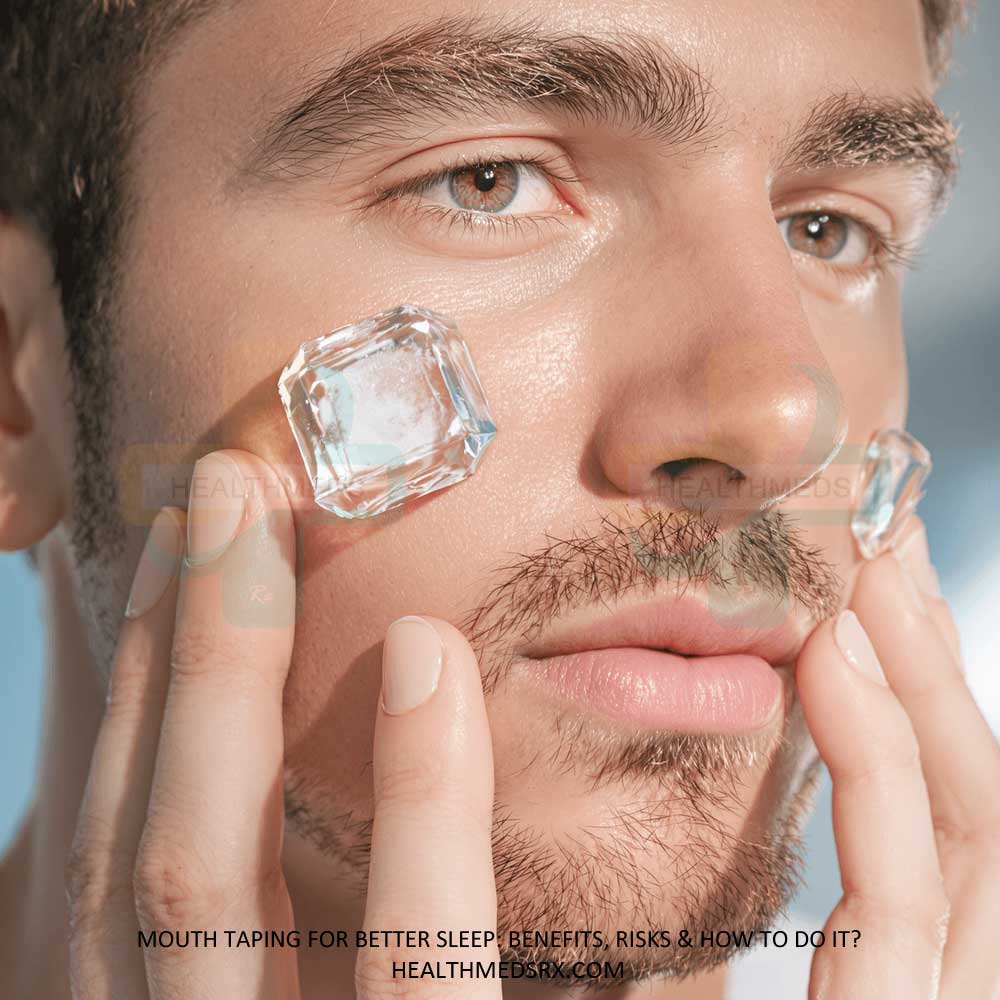
Facial icing has exploded across social media platforms, transforming from a niche beauty hack into a mainstream skincare trend that’s capturing men’s attention worldwide. Scroll through TikTok or Instagram, and you’ll find countless videos of men pressing ice cubes against their faces, claiming transformative results for their skin.
The practice is deceptively simple: wrap ice in cloth, massage it across your face, and supposedly wake up to refreshed, tightened skin. Men are embracing this cold therapy as part of their grooming routines, drawn by promises of reduced puffiness, clearer complexions, and a quick fix before important meetings or dates.
But here’s the real question: does facial icing genuinely support men’s health, or is it just another fleeting internet trend that looks better on camera than it performs in real life? The technique certainly delivers immediate visual results, yet the conversation around its actual health benefits versus temporary cosmetic improvements deserves a closer examination. You need to understand what’s happening beneath your skin’s surface before committing to this icy ritual.
1. Understanding Facial Icing
Facial icing definition is simple: it’s the practice of applying controlled cold temperatures directly to your facial skin. This technique, known as cold therapy, has its origins in traditional wellness practices but has now become a modern skincare ritual that you can easily do at home.
How to Do Facial Icing
The process itself couldn’t be simpler:
- Take regular ice cubes from your freezer and wrap them in a soft, clean cloth, never apply ice directly to your skin.
- The cloth acts as a protective barrier while still allowing the cold temperature to transfer to your face.
- Gently glide the wrapped ice across your facial skin using circular motions in an ice massage.
Typical Facial Icing Routine
Here’s what a typical facial icing session looks like:
- Start with a freshly cleansed face.
- Wrap 2-3 ice cubes in a thin cotton cloth or soft towel.
- Apply the wrapped ice to different areas of your face using gentle, circular movements.
- Keep the ice moving continuously, never hold it in one spot.
- Focus on areas prone to puffiness, such as under the eyes, cheeks, and forehead.
- Continue for 1-2 minutes per facial zone.
- Complete the entire routine within 10-15 minutes.
This technique requires no special equipment, expensive products, or professional training. You have full control over the pressure, duration, and areas of focus based on your specific skincare needs and comfort level.
2. The Science Behind Facial Icing
When you apply ice to your face, your body responds in a way that explains why this technique has become popular in men’s grooming circles. The cold temperature causes blood vessels to narrow, which reduces blood flow to the surface of your skin temporarily. This can help reduce inflammation and make swelling less noticeable.
How It Works
The process is similar to how you would ice a sprained ankle. When you apply cold to your ankle, the tissues tighten up and push excess fluid away from the area. This is exactly what happens with your face when you use facial icing, any puffiness gets squeezed out.
The Role of Lymphatic Drainage
Another important factor in the benefits you may see from facial icing is lymphatic drainage. Your lymphatic system is responsible for removing waste from your body, including toxins and excess fluids. The cold temperature from icing helps this drainage process work better.
As you move the ice around your face in circular motions, you’re also helping your lymphatic vessels get rid of stagnant fluid that can make you look tired and puffy.
The Results
The combination of blood vessel constriction and improved lymphatic drainage leads to a temporary tightening effect on your skin. After doing facial icing, you might notice that your skin looks firmer, brighter, and more awake, making it an appealing option for a quick refresh before meetings or events.
3. Potential Skin Benefits for Men
Men’s skin has its own unique qualities that make facial icing especially appealing. Typically 25% thicker than women’s skin and producing more oil, men’s faces often face specific issues that this cold therapy can help with.
Reducing Under-Eye Bags and Puffiness
One of the most common complaints among men is puffiness under their eyes. The constriction of blood vessels caused by applying ice directly targets this issue. When you use ice on this sensitive area, the cold temperature forces any fluid buildup to disperse, resulting in a tighter and more refreshed appearance. Men who work long hours or have trouble sleeping often notice significant improvements in their under-eye area after regularly practicing facial icing.
Brightening the Complexion
Facial icing has a temporary tightening effect that makes pores look smaller while also increasing blood flow once the ice is taken off. This surge of fresh blood reaching the surface of the skin creates a natural glow, making your complexion appear lighter and more radiant. For men dealing with dull or tired-looking skin, this instant brightening effect provides a quick boost of confidence.
Acne and Oil Control Claims
Some men have reported that facial icing helps calm active acne inflammation by reducing redness and swelling around breakouts. The cold temperature may also temporarily decrease oil production by constricting sebaceous glands. Men with oily skin types claim their faces feel less greasy throughout the day after morning icing sessions, although these effects are still largely unverified by scientific research.
4. Variations and Enhancements in Facial Icing Techniques
Plain ice cubes work perfectly fine, but you can elevate your facial icing routine by infusing your cubes with skin-loving ingredients. This approach combines the benefits of cold therapy with the therapeutic properties of natural compounds.
Aloe vera ice cubes have become a favorite among men who want to amplify the soothing effects of facial icing. You simply freeze pure aloe vera gel or juice in an ice cube tray. The aloe adds anti-inflammatory properties that may help calm irritated skin while delivering hydration. Men with sensitive skin or those dealing with razor burn find this variation particularly appealing.
Green tea ice cubes offer another popular enhancement. Brew strong green tea, let it cool, then freeze it into cubes. Green tea contains antioxidants called catechins that may protect skin from environmental damage. The combination of cold temperature and these compounds creates a refreshing treatment that some men swear by for reducing redness and improving skin tone.
You can experiment with other ingredients too:
- Cucumber water for additional cooling and hydration.
- Rose water for a calming, anti-inflammatory boost.
- Chamomile tea to potentially soothe stressed skin.
- Coffee for a temporary tightening effect.
These additional skincare benefits remain largely anecdotal, but the ritual itself adds minimal cost to your routine while potentially enhancing results. You’re essentially creating a customized treatment that addresses your specific skin concerns.
5. Safety Considerations and Precautions When Practicing Facial Icing
Skin irritation prevention starts with one critical rule: never apply ice directly to your face. Always wrap ice cubes in a soft, clean cloth or use a specialized ice roller designed for facial use. Direct ice-to-skin contact can damage the delicate tissue on your face, leading to ice burns that resemble frostbite.
Frostbite risk mitigation requires you to limit your icing sessions to 10-15 minutes maximum. Move the ice continuously in gentle circular motions rather than holding it in one spot. If you notice your skin turning bright red, feeling numb, or experiencing a burning sensation, stop immediately. These are warning signs that you’re exposing your skin to cold for too long.
Sensitive skin warnings apply to specific groups who should skip facial icing altogether:
- Men with thin or sensitive skin that reacts easily to temperature changes.
- Those with visible broken capillaries or rosacea, as cold can worsen these conditions.
- Anyone recovering from cosmetic procedures like chemical peels, laser treatments, or micro needling.
- Individuals with cold urticaria (an allergic reaction to cold temperatures)
- Men with open wounds, active infections, or severe acne cysts on their face.
You should always moisturize immediately after facial icing to prevent excessive dryness. The cold constricts your pores temporarily, but proper hydration helps maintain your skin’s protective barrier.
On the whole
Facial icing has become a popular skincare trend, and there’s some truth behind it. This simple technique can provide temporary benefits like reducing puffiness, brightening your complexion, and adding a refreshing touch to your daily routine. The scientific concepts of vasoconstriction and lymphatic drainage support its effectiveness, even though there isn’t extensive research available.
Should you try it?
If you have healthy skin, facial icing can be an affordable addition to your grooming routine. It doesn’t require expensive products or complex treatments, just ice and a few minutes of your time.
What to keep in mind
Facial icing won’t replace a complete skincare routine or solve underlying health issues. Instead, think of it as a quick boost rather than a miracle solution. To get the best results, combine it with established skincare practices: cleansing, moisturizing, sun protection, and maintaining a healthy lifestyle.
Be cautious when approaching this popular skincare trend. Pay attention to your skin’s needs, understand its limitations, and seek professional advice when necessary. Your overall well-being deserves nothing less.