
Exploring the Real Benefits of Ice Baths

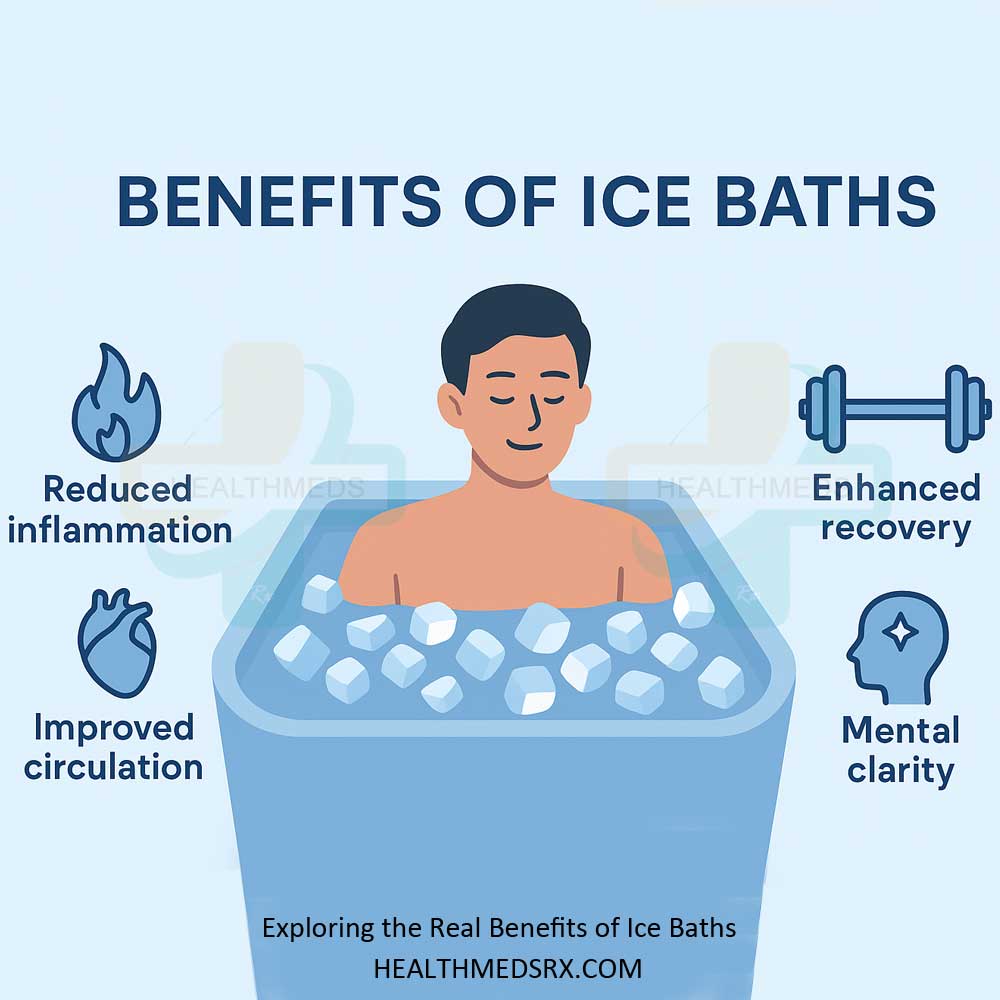
Ice baths can also referred to as cold water immersion therapy, have emerged as one of the most discussed trends in health, fitness, and wellness. However, although the idea of putting athletes and influencers into freezing tubs seems just started with social media, it is not new.
The traditions of cold immersion are in the past, when frigidaria in Rome and misogi in Japan were popular to use cold water and refresh your body and clean your mind. This practice has developed in modern times into the recovery tool called the ice bath.
So let’s see, what exactly is an ice bath?
Ice bath is the process of immersing the body (typically to a waist level or up to the shoulders) in chilled water (10 o C to 15 o C, 50 o C to 59 o C). The objective is to subject the body to cold stress, which causes physiological and biochemical reactions that help with recovery and enhance circulation as well as mental strength.
As you enter cold water, the body goes instantly into a survival mode. Blood vessels dilate (vasoconstriction), the heart rate rises, and the breathing is shallow- all attempts to maintain core temperature. As soon as you get out of the bath, there is an enlargement of blood vessels (vasodilation), which pours back blood full of oxygen into your tissues. This cold, shock, and rewarming acts assist in mitigating inflammation, enhancing recovery, and rejuvenate the body.
Essentially, ice baths will operate under the principle that they induce an adaptive stress response in your body, which will train it to respond more effectively to physical and psychological stress in the future.
The Science Behind Ice Baths: Fact vs. Fiction
Cold therapy is a popular trend, and there is a need to separate the popular culture and science.
Many studies have been conducted to determine whether ice baths can live up to their claims of recovery, and although the outcomes have been varied, a body of research is emerging to substantiate a number of major advantages.
As an example, a study in the Cochrane Database of Systematic Reviews (2016) discovered that cold water immersion had a significant decrease in muscle soreness when used after strenuous physical activity as compared to rest. Equally, a 2020 study in the Journal of Sports Medicine proposed that cold immersion may be beneficial as a short-term recovery period between repeated high-intensity training sessions.
Nonetheless, not every discovery is a good one. There is some evidence that ice baths taken after workouts can flatten muscle adaptation, resulting in slower gains of strength and hypertrophy with time. This is because inflammation, though unpleasant, is one of the natural processes of repair that the body is exposed to.
So, what’s true and what’s exaggerated?
Fact: Ice baths are used to reduce inflammation, soreness and exhaustion of the muscles following severe exercises.
Fiction: Ice baths significantly increase the overall performance of long-term recovery habits, such as sleep, hydration, and nutrition, have been substituted with ice baths.
Fact: Cold showers may enhance cognitive acuity and stress tolerance.
Fiction:Ice baths will exclusively enhance metabolism or immune functioning without the assistance of lifestyle.
To conclude, the use of ice baths has some actual and quantifiable positive effects, though they are not a magic bullet and should be used in a balanced wellness program.
Physical Benefits of Regular Ice Bath
1. Muscle Recovery and Reduced Inflammation
Small tears form in muscle fibres after strenuous exercise. This causes soreness, swelling and inflammation, a process essential to growth, but in most cases, uncomfortable. Ice baths aid in that they cause the contraction of blood vessels and decrease metabolism slows the inflammatory process.
Body rewarms and new oxygenated blood flows into tissues, eliminating waste products such as lactic acid. The result? Quickened recovery, reduced soreness and swelling.
2. Improved Circulation
Exposing your body to cold is a workout for your heart. The contraction and relaxation of blood vessels contribute to increased blood circulation in the body and build on the vascular system. This can help to improve the circulation and heart health over time.
3. Enhanced Athletic Performance
The ice baths are used by the athletes to ensure equal performance in the hard training regimen or multi-day events. They will be able to train more and harder without getting too tired because it will help them recover faster.
Ice baths can also decrease the markers of muscle damage in endurance sports like running or cycling, and overall recovery efficacy.
4. Post-Workout Recovery
Cold therapy is also beneficial to even ordinary people with a fitness habit who have gone through a vigorous workout. The ice bath can be used to recover energy, decrease joint swelling, and decrease delayed onset muscle soreness (DOMS).
Cold immersion coupled with hydration, stretching, and nutrition is an effective post-workout recovery method for any individual who is seeking an active lifestyle.
Mental Health and Wellbeing
This cold immersion is not only about the body, but it is also the same with the mind. Most of the practitioners who do it regularly say that they feel tranquil, centred and emotionally clear. Here’s why:
1. Mental Clarity and Alertness
The outburst of the cold water stimulates the flow of norepinephrine a neurotransmitter that is linked to alertness and attention. This flood of neurochemicals enhances focus, drive and mental acuity.
The same reason why people will say they feel alive or awake following an ice bath.
2. Stress Relief
Exposure to cold triggers the parasympathetic nervous system and will cause the body to relax after you get used to the cold. It also aids in the regulation of cortisol, which is the stress hormone in the body.
This gradually conditions your nervous system to help in dealing with stress better, and you will find yourself in difficult situations without losing your head.
3. Endorphin Boost
When you are in extreme cold, your body will produce endorphins – natural painkiller and mood boosters. These feel-good hormones have the potential to induce a slight euphoric state of the so-called runner’s high, elevating mood and lowering anxiety.
4. Mood Enhancement and Emotional Balance
Research indicates that pathological symptoms of mild depression and anxiety can be reduced by cold exposure.
Even a short dive would result in long-term euphoria and psychological resiliency.
Essentially, cold swimming is mental strength training, which teaches to regulate breathing, emotion and response to stress, and this is an important skill in contemporary life.
Who Can Benefit Most from Ice Baths?
Ice baths were used by professional athletes, but their advantages are much greater than the of high-end sporting activities.
1. Athletes and Fitness Enthusiasts
Runners, weightlifters and other athletes are using ice baths as a way of recovering quicker and training better. Post-exercise immersion will decrease soreness, overtraining and allow the athlete to maintain a steady level of performance.
2. Active Professionals
People who work in physically laborious jobs (i.e. firefighters and dancers or construction workers) can have muscle tension and joint pains relieved after a long working day.
3. Those Managing Inflammation
The relief can be a consideration for patients having inflammatory chronicity or autoimmune systems (including arthritis), yet it should be regulated by the doctor.
4. Mental Health Seekers
Another mental health practice that can be useful to any individual is ice baths, which make them feel stronger, less anxious, or happier.
Lastly, ice baths can also be used by those individuals who wish to enhance recovery, focus, and vitality, provided that they exercise safe measures.
How to Safely Incorporate Ice Baths into Your Routine
Cold therapy can be stimulating, but it is not devoid of danger. To begin safely, it is necessary to do the following steps:
1. Start Slow
- Start at room temperature (approximately 15 o C/59 o f) with brief time spans (23 minutes).
- The temperature should be decreased gradually and the duration of immersion should be extended with your getting used to it.
2. Limit Duration
- The majority of professionals suggest 5-10 minutes a session.
- A time over 15 minutes will result in numbness or hypothermia.
3. Listen to Your Body
Shivering of the skin is to be expected, but excessive shaking, light headedness, or pains in the chest signal that you must get out.
4. Focus on Breathing
Slow breathing down to the depth of breath can be used to counteract the initial shock response. Attempt to inhale and exhale for four and six seconds, respectively.
5. Warm Up Gradually
Once out dry and leave your body to be naturally warm before hopping into a hot shower.
6. Frequency
In the case of the overall well-being, lessons 2-3 per week suffice. The frequency and use of ice baths can increase when needed by the athletes in training.
7. Precautions
Avoid ice baths if you have:
- Cardiovascular disease
- Raynaud’s syndrome
- Respiratory disorders
- Pregnancy
Cold therapy must not be self-administered; you must always consult your doctor, especially in cases where you already have some conditions.
Pushing Boundaries: Exploring New Trends and Innovations in Cold Therapy
With the development of research, cold therapy is also taking its form beyond the traditional ice baths. Here are some of the current innovations:
1. The Wim Hof Method
This training is referred to as the Wim Hof method and it includes breathing, exposure to cold and mindfulness as a tribute to Dutch athlete Wim Hof. It helps in immune response, as well as, boosts energy and acuity of the mind, according to the practitioners.
The scientific research on Wim Hof and his participants has demonstrated the rise in levels of norepinephrine, decreased levels of inflammation and higher stress resistance – indicating that the technique is effective.
2. Contrast Therapy (Hot and Cold)
This method alternates between cold and heat exposure (e.g. saunas or hot tubs). The fast swings in temperature cause a stimulation of circulation, detoxification, and relaxation of the muscles.
Contrast therapy has been extensively applied in rehabilitation and elite sports recovery.
3. Cryotherapy Chambers
Whole-body cryotherapy involves exposure to very cold air (–110 o C -150 o C) in brief periods (2 to 3 minutes). It has a similar effect to ice baths, it is less painful and less inflamed, but the environment is more controlled.
Cryotherapy, despite its higher cost, is becoming popular in treatment rooms and spas across most countries around the world.
4. The Future of Cold Therapy
Scientists are still investigating the impact of cold exposure on lifespan, metabolic activity and neuroplasticity. Certain literature even indicates that light intensity cold stress can trigger anti-aging and cell repair genes.
Cold therapy is potentially even more significant in preventive medicine and holistic health as we learn more about it.