
ED or Late Bloomer? How to Tell the Difference in Your 20s Without Panic

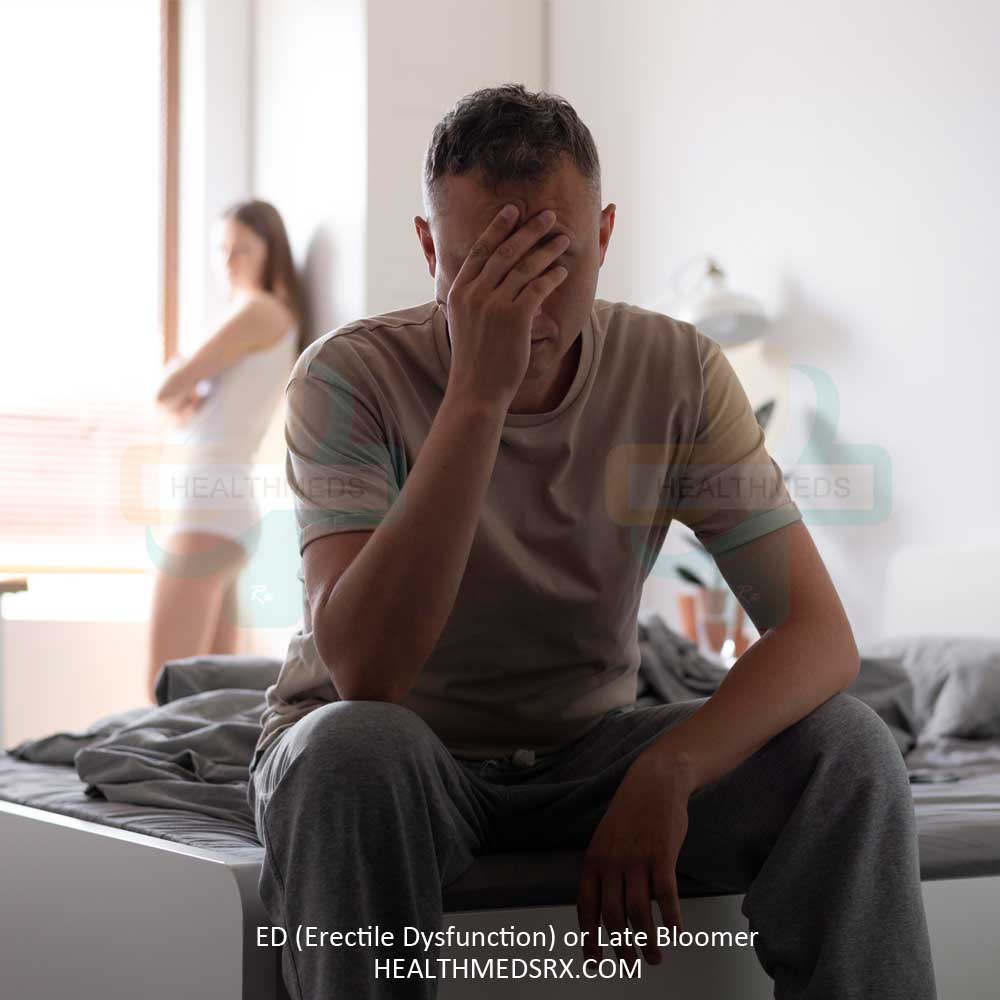
ED (Erectile Dysfunction) or Late Bloomer
You’re in your 20s. Your friends talk about hook-ups and confidence. You scroll through profiles and feel a quiet panic rise: “Why don’t I want sex? Am I broken? Is this erectile dysfunction, or am I a late bloomer?” That real, stunned question: Erectile Dysfunction or late bloomer? It’s more common than you think.
Before you drown in comparison or shame, take a breath. This article will help you sort the signs, calm the fear, and find the next right step. Throughout this post I’ll return to the central question: Erectile Dysfunction or late bloomer, because knowing which one you’re facing is the doorway to feeling better.
The Difference Matters but not as much as Your Compassion for Yourself
In some cases Erectile Dysfunction is medical or physiological in nature, and in others it is developmental, emotional, or situational (late blooming desire). Both are important and can be improved.
If in your 20s you’ve been asking yourself “Why don’t I want sex in my 20s?” or “Is it Erectile Dysfunction or late bloomer?”, it helps when you realize and differentiate between the physical signs and the emotional issues.
Quick reality check: What Erectile Dysfunction looks like
Erectile Dysfunction (ED) is an issue of persistent difficulty in getting or maintaining an erection that is necessary for sex. It’s not one bad experience.
Physical tell tales that put you in the Erectile Dysfunction category:
- Difficulty in getting it up with a partner.
- Trouble with erections over multiple tries or weeks.
- Very little of spontaneous morning erections or of nocturnal erections.
- In terms of normal sexual thoughts and arousal at home (masturbation) but issues come up during partnered sex which is often tied in with performance anxiety.
If these physical signs you see in yourself then it is more likely to be Erectile Dysfunction as opposed to a late bloomer.
What being a late bloomer really means
A slow developer in terms of sex is what we see in late bloomers. This is not a disease, it is about the difference in growth speed.
Late blooming may also include:
- Low and variable desire.
- Nervousness, shyness, and lack of sexual experience which in turn reduces arousal.
- Emotional barriers: Body image issues, past awkward events, and relationship instability.
- A fine thread of interest which can grow within a safe and pressure-free environment.
If you have doubts and ask yourself, “I’m in my 20s, is it normal to not feel horny?” Sometimes yes. Social pressure to be “ready” puts a spin on what should be natural differences that are seen as flaws these days. In some cases that pressure turns a late bloomer rhythm into panic.
Erectile Dysfunction or late bloomer? The simple side-by-side clues
Use the comparison below to determine which is more like your situation, Erectile Dysfunction or late-blooming desire:
- Consistency: Erectile Dysfunction mostly reports consistent issues with erections. In terms of late bloomers, they have variable desire that fluctuates with mood, context, or stress.
- Solo vs. partnered: If you can have and maintain an erection by yourself but not with a partner, performance anxiety may be the issue. If you don’t often become aroused either alone or with a partner what you are experiencing may be late blooming.
- Morning erections: Regular morning erections are a sign of non-dysfunction. Their absence may indicate ED.
- Health and meds: Chronic health issues, smoking, certain medications, or drug and alcohol use cause ED. If you are healthy and have a good lifestyle then it is likely late blooming.
- Emotional history: Trauma, shame, or issues in relationships are often the cause of late blooming.
- Ask yourself gently: Do physical signs dominate, or do emotions and context explain most of what’s happening? That’ll guide your next step.
Hidden Triggers that mimic Erectile Dysfunction
Before you put any labels out there, check these common causes which may cause desire to fade or performance to suffer:
- Stress and burnout: The body’s focus is on survival not arousal.
- Poor sleep and mood: Low energy decreases libido.
- Porn overuse: May desensitize one to real life and lower expectations.
- Substances: alcohol, tobacco, some medications lead to a reduction in the quality of an erection.
- Body image and relationship issues: Feeling judged or insecure might reduce desire.
These do improve. When addressed and realized by yourself they do move you from panic to progress.
What to do Today: Practical Steps Whether It’s Erectile Dysfunction or Late Blooming
You need not decide to act by what it’s called. This is a small plan that you should follow:
- Pause the panic. A single negative experience is not Erectile Dysfunction. A month of constant troubles can be worth considering.
- Track patterns, not stories. Keep a few discreet notes: in the mornings when you were awake with an erection? When you felt no desire whatsoever? How stressed out were you? This assists in the distinction of biology and mood.
- Reset the basics. Rest, exercise, drink, limit hard liquor and recreational medicines, and also check with the doctor.
- Slow the sex pressure. Make things safe: no performance objectives, no porn ideals, no more than basic caressing before sex. Let curiosity lead you not obligation.
- Communicate with a close friend or partner. Sharing reduces its power.
- If worried, see a clinician. A physical examination can exclude the diagnosis of low testosterone, undiagnosed diabetes, thyroid disease, or side effects of medication.
In the case of physical symptoms suggesting Erectile Dysfunction, medical assistance is a clever, recommended path and nothing one should be ashamed of.
If it is ED (Erectile Dysfunction): Why Today’s Solutions are not What You Think
Erectile Dysfunction used to be whispered about. Nowadays it is healed, controlled and often cured. Some of the modern choices are lifestyle change, therapy, hormone evaluation, and the use of prescription medication when necessary arises.
The reactions of some men to better sleep habits, to shedding pounds, and to discontinuation of smoking are rapid. Other men may have to be helped temporarily as they get back on their feet again.
The common prescription Erectile Dysfunction medications are well-known and come in generic forms. People are aware of such brands in different markets as Kamagra, Cenforce, Fildena, Aurogra, etc. The drugs produce an action on the blood flow and sexual response. Important points to know:
- They are prescription drugs that should be taken under the supervision of a doctor.
- The countries have different availability, legal status and brand names. A qualified practitioner can approve safe and effective choices and monitor drug interactions or contraindications (particularly with nitrates or some heart issues).
- The medication may be included in a more comprehensive approach in addition to changing the lifestyle. In many cases, counseling is used to work with the psychological component of the performance.
In case a clinician prescribes medication, consider it as an aid in your recovery, not a crutch, that will assist you in restoring positive sexual experiences and confidence.
If It’s Late Blooming: How to Nurture Desire Without Pressure
If your pattern looks like a late bloomer’s, your path is tenderness and curiosity:
- Lower the stakes. Schedule no sex. Let intimacy and non-sexual touch rebuild safety.
- Erotic curiosity, not obligation. Explore what turns you on gently: touch, scent, gentle reading, music.
- Reduce comparison. Social media and peers set frantic timelines that don’t apply to individual growth.
- See a sex-positive therapist if shame or past experiences block you. Therapy isn’t failure, it’s a map to healthier desire.
Remember: many people find their sexual confidence later in life. Late blooming often results in richer, more attuned sexuality.
When to See a Doctor and When to See a Therapist?
See a doctor if:
- You consistently cannot get or keep an erection, especially if morning erections are absent.
- You have symptoms like erectile changes plus fatigue, weight gain, or changes in libido that started suddenly.
- You’re on medications that may reduce sexual function.
See a sex therapist or psychologist if:
- Anxiety, shame, early sexual trauma, or relationship stress are central.
- Porn use, performance pressure, or body image issues are disrupting desire.
- You experience arousal in some contexts (e.g., solo) but not with partners.
Often, the best approach is collaborative: a medical check plus therapeutic support.
Erectile Dysfunction or Late Bloomer? Either Way, You Are Not Broken
If you’re asking “Erectile Dysfunction or late bloomer?” you’re already doing the right thing: noticing, questioning, and seeking answers. That courage matters more than any label. Whether the road is medical treatment, lifestyle change, therapy, or simply time and patience, healing is possible.
If you want, start today with one small step: track your pattern for two weeks, cut back on heavy drinking, or book a check-up. Whatever you choose, treat yourself with the same kindness you’d offer a friend. You’re not alone. You’re becoming.