
Cold Water vs. Warm Water: What’s Best for Washing Your Face?

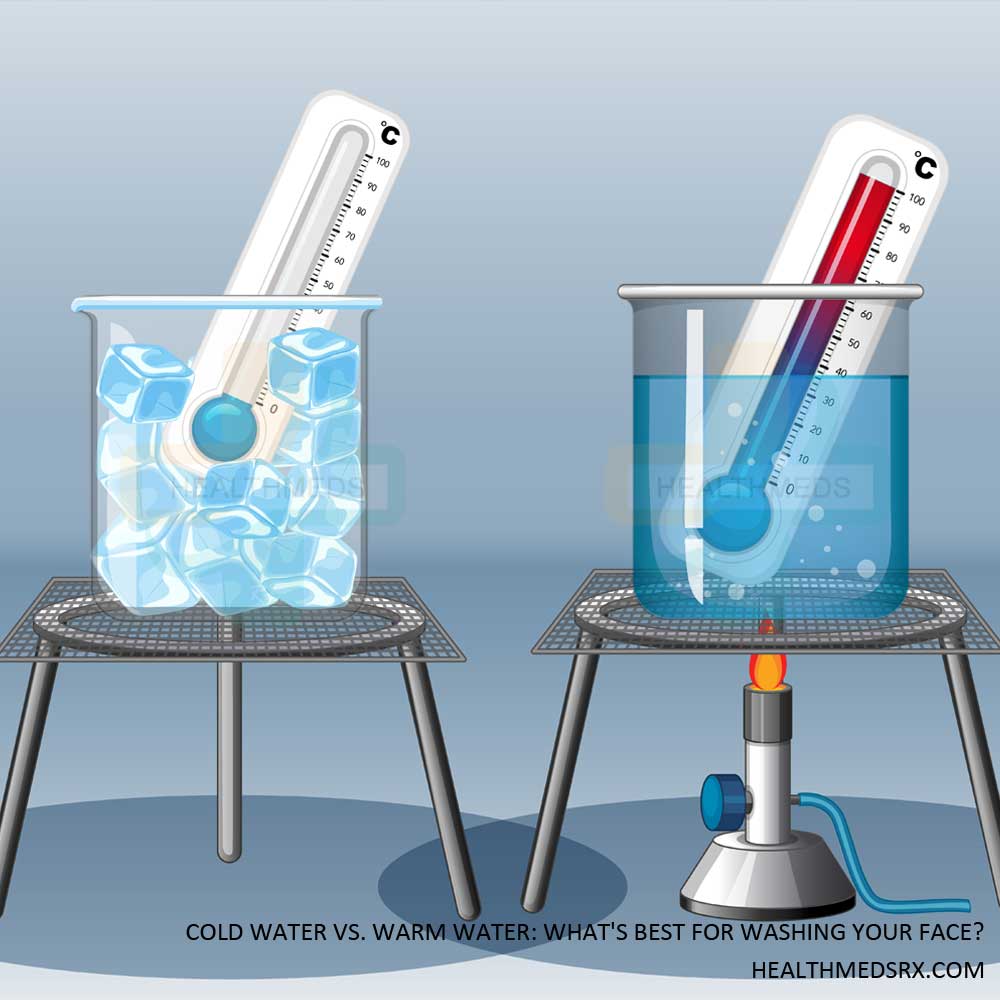
Even in the dynamic world of skincare, one of the easiest factors, which water temperature to use when rinsing your face, is a subject that many will argue about. Is it a good idea to rinse in cold water to close pores and decrease inflammation? Or is it warm water that would prove to be more effective in clearing dirt, oil and makeup? Each person will have their preferences and different skin types, but science and the advice of experts can provide a more accurate path on which temperature is advantageous to your skin. So, here is the truth about rinsing your face with cold vs. warm water and the perspective on optimizing your skincare routine according to it.
Understand the Science Behind Water Temperature and Skin Health
In matters of skincare, one should know how water temperature affects your skin’s biology. The skin is a very delicate organ, as temperature variations may affect its function and some health complications.
Advantages of Cold Water: Cold water is highly commended for its refreshing and rejuvenating effects. It may alleviate puffiness, tighten the skin temporarily and increase blood flow through constriction of blood vessels. The resultant vasoconstriction may result in a tighter appearance to the face, and as such, cold water is often used in rinses as a method of rapid “waking up” either in the mornings or after exercise. Cold water can also be utilized to calm the irritable skin around individuals with inflamed or red skin, such as the condition called rosacea.
Warm Water for Skin: The warm water, on the other hand, helps to loosen the debris, oil and makeup on the skin. It also makes the pores stick out, so it becomes easier to clean the pores inside and out. This is why hot water is a favorite when the cleaning process is more detailed, especially at bedtime, when people have spent most of the day.
Effects on Skin Temperatures: The temperature of your skin after cleansing is important as well. When cold water is used, some tightening effect can be experienced, which is temporary and may block the passage of oil, leading to dry or flaky skin (especially when used most of the time). Warm water that is excessively hot may have the effect of removing natural oils in the skin and cause damage to the skin barrier. It is all about the golden middle-lukewarm water is probably the safest and most efficient choice available to the majority.
Facial Cleansing Temperature: To achieve the best results, your water temperature should match your cleansing goals, whether it’s for gentle daily maintenance or a deep cleanse. By understanding how cold and warm water affect your skin differently, you can customize your routine for optimal results.
Advantages And Disadvantages of Washing Face With Cold Water
The benefits and refreshing ritual of washing your face with cold water can work out as a futuristic skincare hack, given that it is done in the right way.
Advantages of Cold Water:
- Minimizes Inflammation and Puffiness: Cold water causes constriction of blood vessels, which may minimize facial swelling and puffiness, especially around the eyes.
- Exploits More Skin Tightening: Though cold water does not constrict pores, it makes them look smaller by tightening the skin around them.
- Increases Circulation: Cold water will increase the flow of blood and increase healthier-looking skin.
- Calms Down Sensitive or Irritated Skin: Sensitive skin conditions, such as rosacea or eczema, could be calmed down using cold water.
Disadvantages of Cold Water:
- Does not Clean Deep Down: Cold water does not remove oils or makeup, or dirt, as it may not be deep enough to do the job, except maybe through the use of a particular cleanser that needs to be emulsified.
- Possible to Result in Dryness: Cold water may cause dry skin, especially in cold temperatures, in case it is not supplemented with air drying or moisturiser.
- Uncomfortable in Winter: Using cold water during the colder months can be physically uncomfortable, which may discourage people from using it consistently.
In short, cold water makes an excellent morning refresher or acute inflammation soother, but with no in-depth cleansing act as warm water does.
The Benefits of Using Warm Water to Clean the Face
While cold water is popular in some skincare circles, warm water remains the standard for thorough and effective facial cleansing.
- Proper Removal of Makeup: Warm water removes and emulsifies makeup that is oil-based, sunscreens, and sebum, for easier rinsing.
- Opens Up Pores for Better Cleansing: Gets into the pores and softens them to enable the cleanser to enter more deeply and effectively reach impurities trapped inside the pores.
- Increases performance of cleansing products: A lot of products that are cleansers, be it foaming or cream-based products, are best in warm water to activate their ingredients.
- Boosts hydration with Appropriate follow-up: Warm water, when combined with a good moisturizer can enhance the absorption of hydration products by the skin.
Potential Cautions:
Excessively hot water has the ability to interfere with the lipid barrier of the skin, causing dehydration, irritation, and sensitivity. Warm water (not too warm) is preferable.
To deal with either oily or acne-prone skin, warm water should be an effective ally in preventing buildup and keeping the skin clear, as long as it is followed with a calming toner or moisturiser.
Skin Types: Which level of Temperature Suits you?
Not every skin does not responds similarly to the water temperature. This is how to match your skin type with your water choice:
- Oily Skin: Warm water tends to be more efficient at eliminating the extra sebum and cleaning up the clogged pores. Cold water can cause oil buildup.
- Dry Skin: Plain lukewarm water is ok. Although it does a better job of cleaning, hot water may aggravate dryness when there is too much heat. Then proceed with moisturizing.
- Sensitive skin: Cold or cool water tends to suit sensitive skin as it is less irritable and does not strip natural oils.
- Combination Skin: Warm and cool water can perform the best. Wash by using slightly warm water and tone by finishing with cold water.
- Acne-Prone Skin: Warm water is effective in gently removing impurities, while cold water after cleansing can help reduce inflammation. However, it is important to avoid extreme temperatures that may irritate the skin further.
Knowing your skin type and the way it responds to temperature is crucial in improving your skincare regimen and making it a success.
Expert Opinions: What Do Dermatologists Reveal About The Temperature of Water to Wash Your Face
Dermatologists tend to contradict on the cold vs. warm water dilemma, which makes their opinion constructive and relatively balanced.
Dermatologist’s Advice on Cleansing Methods:
To clarify this matter, a board-certified skin specialist, Dr. Rachel Nazarian, claims that Lukewarm water is the safest temperature in which to cleanse your face. It assists in getting rid of the dirt and oils without depriving the skin of its barrier.” Most dermatologists find truth in the fact that both very cold and hot water may prove to be harmful than good when applied regularly.
Professional Skincare Tips:
- Use lukewarm water to cleanse daily.
- Use cold water rinses to reduce inflammation or to help wake up your skin.
- Hot water must be avoided; it must be avoided, particularly among sensitive or dry skin types.
- Combine your rinse with an appropriate cleanser and a moisturizer for your particular skin type.
Cold vs. Warm water- what experts say:
Experts consider that cold water can result in tightening of the skin and relieve redness, but it does not cleanse well. Warm water, in particular, when used with mild cleansers, eliminates impurities in a better way with no harsh effects, as long as it is not too hot.
The Best Practices on a Healthy Facial Cleansing Regimen
The temperature of water is not the only element of good skin maintenance. The following is how you should make your daily face wash contribute to healthy skin:
- Apply mild cleanser: The right kind of cleanser to suit your skin: in this case, you need a gel-based cleanser when you have oil-abnormality, a cream-based cleanser in case you are dry-skinned and a fragrance-free cleanser in case of sensitive skin.
- Wash twice daily: Morning cleanses are about getting rid of the oil that builds overnight, and night cleanses are about getting rid of day filth, pollutants, et al as well as removing the make-up.
- Mind the Temperature: Use warm water. A last rinse with cold water might assist your skin in case of irritation.
- Don’t Overwash: Over-washing, particularly using hot water, would leave the skin dry and irritated. Most of the humans accept twice a day.
- Put on Moisturizer: Clean with water and pat dry, and put on a moisturizer to seal in moisture and provide a protective barrier for skin.
- Be Gentle: Do not scrub hard. Wash with fingertips and circular motions and rinse.
The practices can go a long way in the improvement of your skin clarity, texture and strength.