
Celiac Disease: Symptoms, Diagnosis, and the Path to a Gluten-Free Life

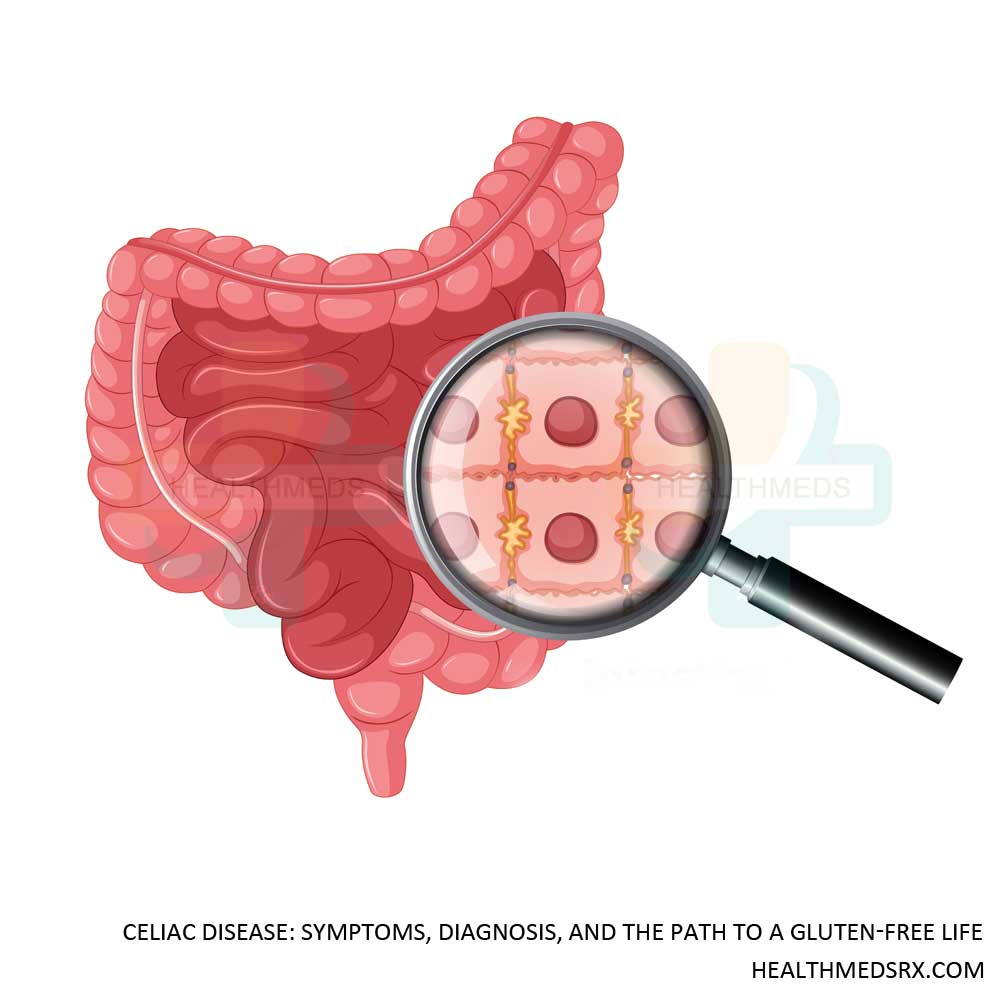
Celiac disease is a health disorder that can require years before diagnosis, but the disease affects millions of patients around the world. Other people have the pain or weariness or lack of this or that nutrient, and they do not know that it is gluten, a kind of protein in wheat, barley, and rye and the reason for their pain or weariness or lack of this or that nutrient.
Perhaps, by raising awareness about this autoimmune disease, people will be able to see the symptoms earlier and get diagnosed earlier, to start addressing their health in a more aggressive manner, by changing their lifestyles.
In this article, the nature of celiac disease, its characteristics, diagnosis, available treatment options, and tips on how to live a good life with the disease will be discussed.
What is Celiac Disease? An overview of the Autoimmune Disorder?
Gluten consumption leads to a prolonged autoimmune disease called celiac disease. Unlike a simple allergy to wheat or a gluten sensitivity, celiac disease is an effect of the immune disease that causes the immune system to attack the small intestine whenever gluten is ingested. That immunity assault destroys the little finger-like protrusions on the intestinal lining called the villi that absorb the nutrients in food.
As the villi are destroyed, the body cannot absorb the required nutrients, including calcium, vitamins and iron. This will ultimately lead to malnutrition, anaemia, osteoporosis and other life-threatening diseases.
We must say that the concept of celiac disease is not identical with the concept of intolerance to gluten or even allergy to wheat:
- Wheat allergy causes an instant allergic response that may or may not be followed by skin eruption, swelling, or difficulty in breathing.
- Gluten intolerance (non-celiac gluten sensitivity) is not harmful to the immune system, but makes a person feel bad.
- Celiac disease is an autoimmune disease whereby gluten leads to irreversible intestinal and systemic damage.
Celiac disease can occur at any age, and the role of genetic factors is rather significant. In case of a close relative with celiac disease, chances are high that one would develop the condition.
Identifying the Symptoms: What to Know to Diagnose Celiac Disease
Celiac disease has a very wide range of symptoms, making diagnosis difficult. Some of them develop severe digestive complications, and some of them may develop non-digestive minor problems. The consequence of this variability is usually a late diagnosis.
Typical GI Symptoms:
- Constant diarrhea or constipation.
- Abdominal pain and cramping
- Bloating and excessive gas
- Nausea or vomiting
- Unexplained weight loss
Non-Gastrointestinal Symptoms:
- Constant tiredness or weakness.
- Iron deficiency anemia
- Osteoporosis or bone loss.
- Skin rashes (e.g. dermatitis herpetiformis)
- Mouth ulcers
- Neurological symptoms, including headache, depression or numbness of the hands and feet.
Celiac disease can also manifest in children in the form of failure to grow, retarded growth, irritability or developmental retardation. These warning signs are to be noticed early enough because celiac disease can have permanent effects when not treated.
Diagnosis: Tests and Procedures for Celiac Disease
Because celiac disease predisposes itself to numerous other disorders, such as irritable bowel syndrome (IBS) or lactose intolerance, a clear diagnosis is a necessity. The steps may include the following:
- Celiac Disease Blood Tests
Doctors usually begin with a set of blood tests that determine specific celiac-related antibodies, such as a test of tissue transglutaminase antibodies (tTG-IgA). A positive test will mean a positive autoimmune response to gluten.
Note: A gluten-free diet should not be adopted before testing since gluten can be removed accidentally and, therefore, give a false-negative.
- Endoscopy and Biopsy
In case the blood tests are positive, the doctors usually suggest an upper endoscopy. This is a procedure that uses a thin tube equipped with a camera to investigate damage in the small intestine. Biopsies can be taken to test whether the villi have been damaged, which will prove the diagnosis.
- Genetic Testing
Sometimes, to test the presence of a HLA-DQ2 and HLA-DQ8 genes, associated with celiac disease, genetic testing can be performed. Although the condition cannot be established by the presence of these genes, their absence can exclude it.
These diagnostic methods are combined to make a proper diagnosis and to separate celiac disease and other digestive problems.
Why a Gluten-Free Diet is Important in the Treatment of Celiac Disease?
The only effective treatment against celiac disease today is a strict gluten-free diet. The only way to prevent harm to the immune system is to avoid gluten, when compared to other health conditions that can be treated with medication.
The advantages of a Gluten-Free diet include:
- Mixture of digestive signs (bloating, diarrhea, and pain) is reduced.
- Remedies damage to the bowel in the long run.
- Nutrient absorption is rejuvenated.
- Enhances vitality and general well-being.
- Minimizes the chances of complications such as infertility and some cancers.
Foods to Avoid when having Celiac Disease:
- Bread (wheat, pasta, pastries), cereals.
- Barley (malt, soups, beer)
- Rye (rye bread, crackers)
- Packaged foods that contain gluten in disguise (sauces, soy sauce, soups, gravies)
Safe Gluten-Free substitutes:
- Buckwheat, millet, quinoa, rice, corn.
- Beyond gluten-free oats (labeled certified gluten-free)
- Fresh fruits, vegetables, meats and legumes.
There are now a lot of gluten-free dishes and products, and a healthy and delicious diet is easier than ever to maintain. But it should be noted that label reading is very critical to prevent unintended gluten exposure.
A healthy life with celiac disease: life tips on living with this disease.
Celiac disease is a diagnosis that can be overwhelming, and given the right attitude, individuals can continue to lead normal, healthy lives. Here are some practical tips:
- Learn to Read Labels:Even the cosmetics contain gluten in unrelated locations, such as in sauces, marinades, and candies. Reading ingredient labels and finding certified gluten-free seals is always worth it.
- Preplan Social Situations:Dining out, or attending an occasion, can be hard. To reduce stress, it may be useful to make phone calls to restaurants in advance and negotiate on dietary needs and order naturally gluten-free meals.
- Avoid Cross-Contamination:Juxtaposing cutting boards, toasters and utensils at home complicates the accidental consumption of gluten in gluten-free food.
- Focus on Whole Foods:Instead of relying on the ready-made gluten-free food, you can make a diet out of naturally gluten-free food, including vegetables, fruits, lean meat, and whole grains, including quinoa and rice.
- Seek Support:Online and offline support groups can also be a good source of emotional support, recipe ideas, and tips on life in general.
- Monitor Nutritional Health:
A medical practitioner and nutritionist visit will be needed to confirm that the nutritional needs are being addressed, particularly vitamins and minerals such as vitamin D, and calcium.
Celiac disease is an incurable autoimmune disorder that is incurable but people can live a normal life by having the right knowledge and practices. The symptoms must be identified, and a gluten-free diet must be diagnosed and followed. Even though the adaptation may be complicated at the beginning, many of them can implement the adjustment successfully. Health and prevention of the long-term effects are primarily associated with increased awareness and early diagnosis.