
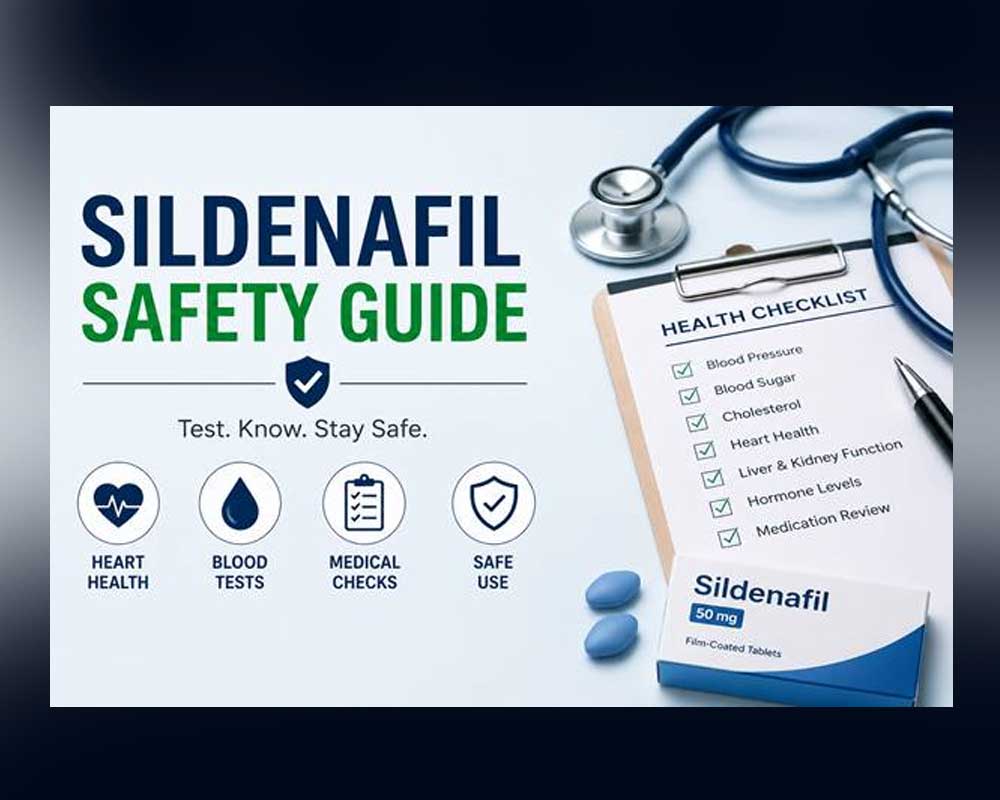

Sildenafil is a drug that is widely used to treat erectile dysfunction (ED), which refers to a man’s inability to get or keep an erection firm enough for sex. It is part of a group of drugs known as phosphodiesterase type 5 (PDE5) inhibitors, which can help to increase blood flow to the penis when sexually stimulated.
For many men suffering from erectile dysfunction, sildenafil can be beneficial; however, it is important to understand what can impact erectile function before taking any of these medications. Other health conditions related to ED can be diabetes, high blood pressure, cardiovascular disease, hormonal imbalance, and more.
There aren’t any universal medical tests that all men have to undergo before taking sildenafil. The selection of the proper assessment depends on the history, medications, symptoms, cardiovascular risk factors, and the age of the child. A healthcare professional can suggest the appropriate tests to aid in determining the suitability and safety of using sildenafil.
- Blood Pressure Measurement
Before starting sildenafil, it is important to find out a person’s blood pressure. High and Low blood pressures may affect treatment.
Over time, high blood pressure can damage blood vessels, which can lead to a decrease in blood flow to the penis and cause erectile dysfunction. Low blood pressure can also make someone feel dizzy or faint—especially if they are taking blood pressure medications.
Sildenafil will lower blood pressure slightly. So, the doctor can check the blood pressure and note about any medications that are used to control high blood pressure.
Blood pressure readings provide a clue as to possible problems with the heart and blood vessels, and whether further investigation is needed. Before taking the medicine, check with a doctor if the man has uncontrolled blood pressure or symptoms like fainting.
- Blood Glucose Test or HbA1c
Erectile Dysfunction is one of the ‘widespread’ medical conditions that is associated with diabetes. Chronically high blood sugar can destroy nerves and blood vessels needed for an erection.
Depending on people’s medical history and risk factors, a doctor may order a fasting blood glucose test, or a test called glycated haemoglobin (HbA1c).
- Fasting blood glucose: Measures blood sugar after a period without eating.
- HbA1c: Estimates average blood sugar levels over approximately 2 to 3 months.
These tests may help determine if there is a possibility of previously undiagnosed diabetes or if the diabetes is being well controlled or not.
Recognizing diabetes can help direct a comprehensive treatment plan that includes treatment for erectile dysfunction as well as treatment for long-term diabetes care. Sildenafil can be effective for some men who have ED as a result of diabetes, but results vary from person to person.
- Lipid Profile and Cholesterol Testing
A lipid profile is a blood test that is used to measure cholesterol and triglyceride levels. Typically contains Total cholesterol, LDL, HDL, and Triglycerides.
High or low levels of lipids can lead to atherosclerosis, which is the narrowing of blood vessels due to fatty build-up inside them. Erectile function requires good circulation, so poor circulation can cause erectile function to be compromised.
Lipid profiles may be particularly beneficial in men who have diabetes, obesity, a family history of heart and blood vessel disease, smoking, or other heart and blood vessel disease risk factors.
The importance of cholesterol testing is that it helps to determine cardiovascular risk, or whether lifestyle changes or treatment is needed. Sometimes, ED can be a sign of vascular disease, and a physician may consider the entire picture before prescribing sildenafil.
- Cardiovascular Assessment
Sexual activity increases the body’s physical demands, including the workload placed on the heart. For this reason, cardiovascular health is an important consideration before starting ED treatment.
A doctor will usually review symptoms, exercise tolerance, medical history, smoking status, and existing heart conditions. Depending on the findings, further tests may be appropriate.
Possible investigations include:
- Electrocardiogram (ECG)
- Exercise stress testing
- Additional cardiac investigations
There is no need for all men to have an ECG or stress test, nor a specialist cardiac examination, prior to the use of sildenafil.
Men who have unstable chest pain, some severe heart disease, or symptoms during exercise might require additional evaluation before sexual activity or therapy.
- Testosterone and Other Hormone Tests
The hormone known as testosterone is vital to sexual appetite and sexual well-being. A man who has low testosterone can experience less sex drive, tiredness, and problems with getting and keeping an erection.
A doctor may order a total testosterone level to be checked if the symptoms indicate that a man has too little of this hormone, especially if he doesn’t have the urge to have sex.
The levels of the hormone testosterone are normally checked in the morning if indicated. If the first reading is low, it is often repeated on a subsequent morning before a diagnosis can be confirmed.
Based on the results, a health care provider may also recommend other tests such as luteinising hormone (LH), prolactin and/or thyroid function tests.
Endocrine causes of sexual symptoms can be identified with hormones. But not all men who are thinking about taking sildenafil need to have a testosterone test, and testosterone treatment is not an alternative to a proper evaluation of ED.
- Kidney Function Tests
The kidneys excrete waste products from the body and control the levels of substances that are important to the body. The medications may not be handled normally when there is significant kidney impairment, which can also happen if there is diabetes and/or high blood pressure.
If kidney disease is suspected or already diagnosed, a doctor might order blood tests, such as a serum creatinine and estimated glomerular filtration rate (eGFR).
These tests are especially important for men who have a medical history of chronic kidney disease or other medical conditions that can impact kidney function.
Why it matters: Kidney function tests may help a health care professional assess overall health and determine whether treatment changes or extra precautions are needed. Men who are otherwise healthy don’t have to take kidney tests before starting sildenafil.
- Liver Function Tests
The liver is the main site of metabolism of sildenafil. Liver impairment may affect the way the body processes the drug and can impact dosing.
Liver function tests may be ordered if someone has liver disease or signs/symptoms of liver disease, or if the medical history suggests that it may be necessary. Some of these tests might include liver enzyme levels and other liver function tests.
The importance of identifying significant liver problems is that, if they are present, they can help the doctor determine if sildenafil is appropriate and if extra precautions are required. Liver tests aren’t routinely ordered for all patients unless there are special clinical factors for the patient.
- Medication Review and Physical Examination
Laboratory tests are not the only part of medical safety. Current medication, over-the-counter drugs, dietary supplements, allergies, and history of prior treatment are all items that a healthcare provider should consider before prescribing sildenafil.
The doctor might perform a physical exam to check blood pressure, the heart, genital or reproductive problems, and other physical changes that could be related to ED.
Special care needs to be taken with the following medicines:
- Nitrates: Medicines containing nitrates (such as Nitroglycerin and isosorbide) can interact with sildenafil in a serious way, which could lead to very low blood pressure.
- Riociguat: This medicine must not be combined with sildenafil because of the risk of significant hypotension.
- Alpha-blockers and some blood pressure drugs: These may improve the likelihood of dizziness or low blood pressure & require careful prescribing.
A review of medication is mandated even if blood tests are normal!
Are All These Tests Necessary Before Taking Sildenafil?
No. Depending on the individual circumstances, the appropriate tests will be used. If a man has no medical problems, he might not require all of the tests shown above but could require a medical history, blood pressure check, physical exam as indicated, and an evaluation of cardiovascular risk.
Symptoms and risk factors may lead to a doctor recommending tests for glucose, cholesterol, kidney and liver function, and/or testosterone levels.
Men should not self-prescribe sildenafil simply based upon information they obtain online or upon the assumption that a normal test would mean that they are safe to take the medicine.