
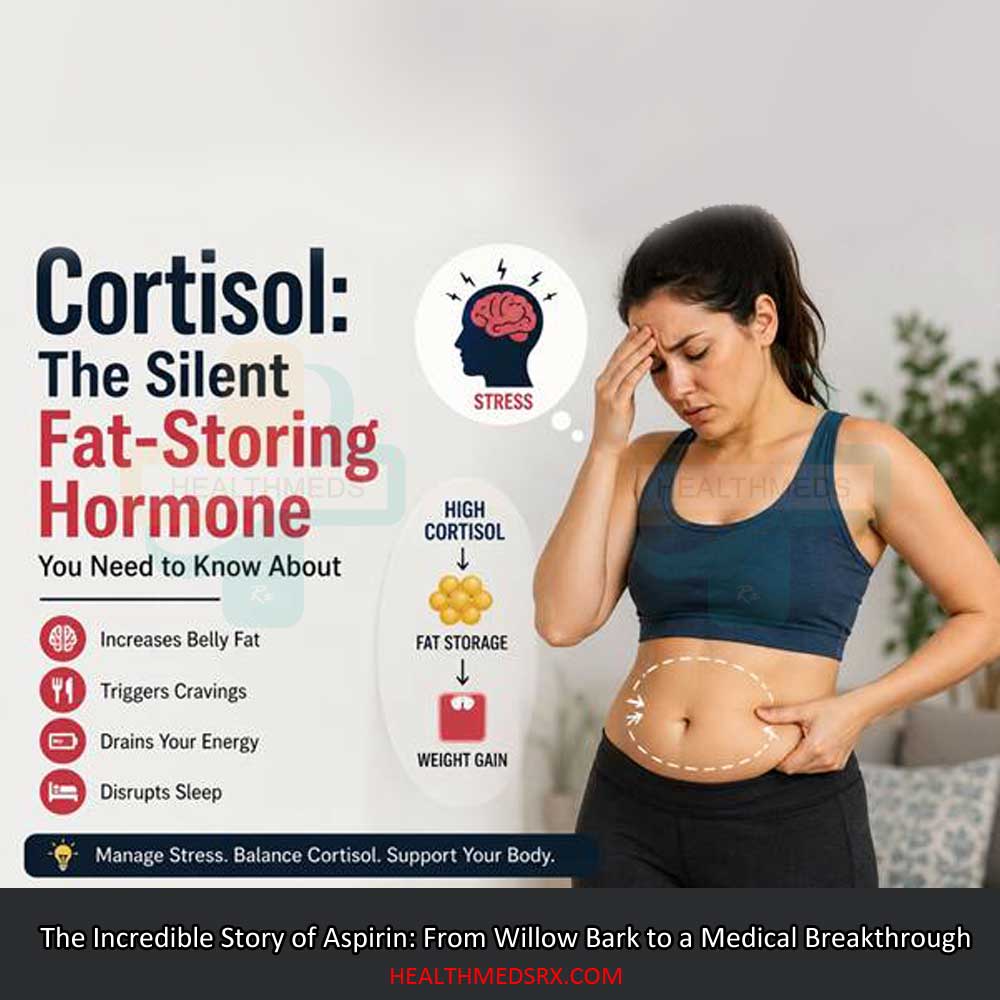

Have you ever wondered what is Cortisol? How it affects a human?
Well!
Ever wonder how eating right, getting exercise and yet not seeing the scales go down? Not always is it a calorie or carbohydrate problem. In some instances, the actual problem lies in your body’s way of responding to stress.
The stress hormone is one of the most misinterpreted hormones in the body and is known as cortisol. Though it maintains our very existence, its sustained high levels can subtly affect metabolism, appetite, sleep and fat storage, particularly around the abdomen.
Cortisol does not go around as an enemy but is active in the background. It doesn’t force weight gain overnight. Instead, it sets up your body to store fat, while making it harder to burn the fat.
Let’s take a look at what makes cortisol the “silent fat-storing hormone.”
Cortisol Isn’t the Villain
There is a lot of information out there about cortisol that is negative, but it’s not all negative information.
Cortisol is a hormone naturally made in the body throughout the day by the adrenal glands. It helps your body:
- Wake up in the morning
- Maintain blood pressure
- Control blood sugar
- Reduce inflammation
- Respond to physical and emotional stress
- Provide energy during demanding situations
If a person doesn’t have cortisol, the body will not be able to function.
What starts as a problem is when stress becomes chronic. The modern life we live seldom provides the body with sufficient opportunities to turn off the stress response. It can take weeks or months to get to a level of cortisol that’s too high from deadlines, finances, poor sleep, junk food, too much coffee, overtaxed muscles, etc., at the gym.
This exposure is long-term and affects the body’s system of regulating energy.
Your Body Thinks You Are in Survival Mode!
Stress typically involved avoidance of danger or food in ancient times.
In today’s world, the body frequently interprets e-mails, traffic, family obligations and a lack of sleep as life-threatening situations.
As a result of the constant high level of cortisol, your brain is constantly getting the same message:
“Save Energy For Future Use (Resources May Be Limited).”
This increases your metabolism’s protective levels.
The body chills fat, rather than burns it. This survival mechanism that may have helped humans survive may become a cause for weight gain that some people can’t seem to lose.
Why Belly Fat Loves Cortisol
Not all body fat behaves the same way.
Abdominal fat cells have higher concentrations of cortisol receptors than other fat deposits, research shows. This translates into increased cortisol promoting fat storage in the abdominal area, as opposed to other parts of the body.
Visceral fat (the fat around internal organs) is especially affected by hormones.
As cortisol remains elevated:
- Fat storage around the abdomen may increase.
- Muscle breakdown may accelerate.
- Fat burning efficiency decreases.
- Insulin sensitivity may decline.
This is then a vicious circle, and abdominal fat continues to be more difficult to shed even when a person tries to shed the pounds.
Cortisol Can Make You Crave the Wrong Foods
Ever find that when things get stressful, you don’t want to eat steamed vegetables?
Instead, many people reach for:
- Chocolate
- Chips
- Pizza
- Ice cream
- Sugary drinks
- Fast food
This is not just about lack of willpower.
Cortisol stimulates the reward system in the brain and hormones that affect appetite during stress, increasing the appeal of comfort foods.
These foods are the ones that provide the body a certain level of energy very quickly, and it’s fooled into believing that it is meant to survive by eating them.
Unfortunately, the long-term effects of stress eating include overeating and sluggish weight gain.
Sleep: The Missing Piece of the Puzzle
It could be just one night’s sleep that seems unimportant.
But getting less than 7 hours of sleep regularly will throw off cortisol levels.
Usually, cortisol is highest in the morning to help get you up and moving and is lower during the day.
This natural process can be disrupted by poor sleep, which causes cortisol to be high when it should be low.
The consequences often include:
- Increased hunger
- Reduced energy
- More cravings
- Lower exercise motivation
- Slower recovery
- Greater fat storage
While some people only consider diet, they’re missing out on the impact that a good night’s sleep can have on hormone balance.
Will Exercise Increase Cortisol?
Surprisingly, yes.
Physical activity is considered a type of stress; this explains the temporary increase in cortisol when exercising.
The important difference is duration.
Exercise that is healthy increases in the short term, but then decreases in the long run and makes the body stronger.
The issue is when exercise intensity is too high, and recovery is not adequate.
Examples include:
- Intense daily training
- Multiple workouts without rest
- Long periods of endurance exercise
- Poor nutrition after workouts
- Inadequate sleep
Overtraining over a prolonged period of time can keep cortisol levels high and harm weight loss.
Sometimes the recovery is as important as adding another workout.
Everyday Habits That Quietly Increase Cortisol
The body’s stress response is triggered by many activities that happen every day without realizing.
Common contributors include:
- Constant multitasking
- Excessive screen time
- High caffeine intake
- Skipping meals
- Restrictive dieting
- Chronic dehydration
- Smoking
- Heavy alcohol consumption
- Financial or workplace stress
- Emotional burnout
All these factors taken individually might seem small.
When combined, they can lead to a steady, low level of stress, which can slowly affect a person’s metabolism.
Reducing Cortisol doesn’t mean Reducing Stress.
Stress is an unavoidable part of life.
The aim is NOT to get rid of all stress, but to help your system bounce back after stress.
A few simple lifestyle adjustments can be used to control cortisol naturally:
Prioritize Consistent Sleep
Get 7–9 hours of good night’s sleep. A consistent sleep routine will help to normalize cortisol cycles.
Eat Balanced Meals
Protein, healthy fats, whole grains, vegetables and fibre offer sustained energy and keep blood sugar balanced, which helps limit blood sugar fluctuations that can trigger a rise in cortisol.
Practice Daily Relaxation
Relaxation may be activated by just a few minutes of mindful breathing, meditation, gentle stretching or spending time outdoors.
Stay Physically Active
Moderate activity, such as walking, swimming, cycling or strength training, helps to maintain a healthy balance of hormones without causing excessive strain.
Limit Stimulants
Caffeine, particularly in the evening, can disrupt sleep and cause high cortisol levels to stay high for some sensitive people.
Make Time for Recovery
Rest isn’t laziness.
Recovery lets the hormones, muscles and nervous system reset, helping to maintain long-term health and sustainable weight management.
Weight Loss Isn’t Always About Eating Less
Many people get frustrated when they have been on a strict diet and see no long-term results.
The reason is that hormones can affect the body’s efficiency in utilizing energy.
When cortisol is continuously high, the body might:
- Burn fewer calories
- Increase hunger
- Store more abdominal fat
- Break down muscle tissue
- Slow metabolic adaptation
- Encourage emotional eating
This doesn’t mean healthy eating and exercise don’t work.
Instead, they’re best complemented by good sleep, stress management and recovery.
It is easier to manage weight when the body doesn’t need to prepare for survival constantly.