
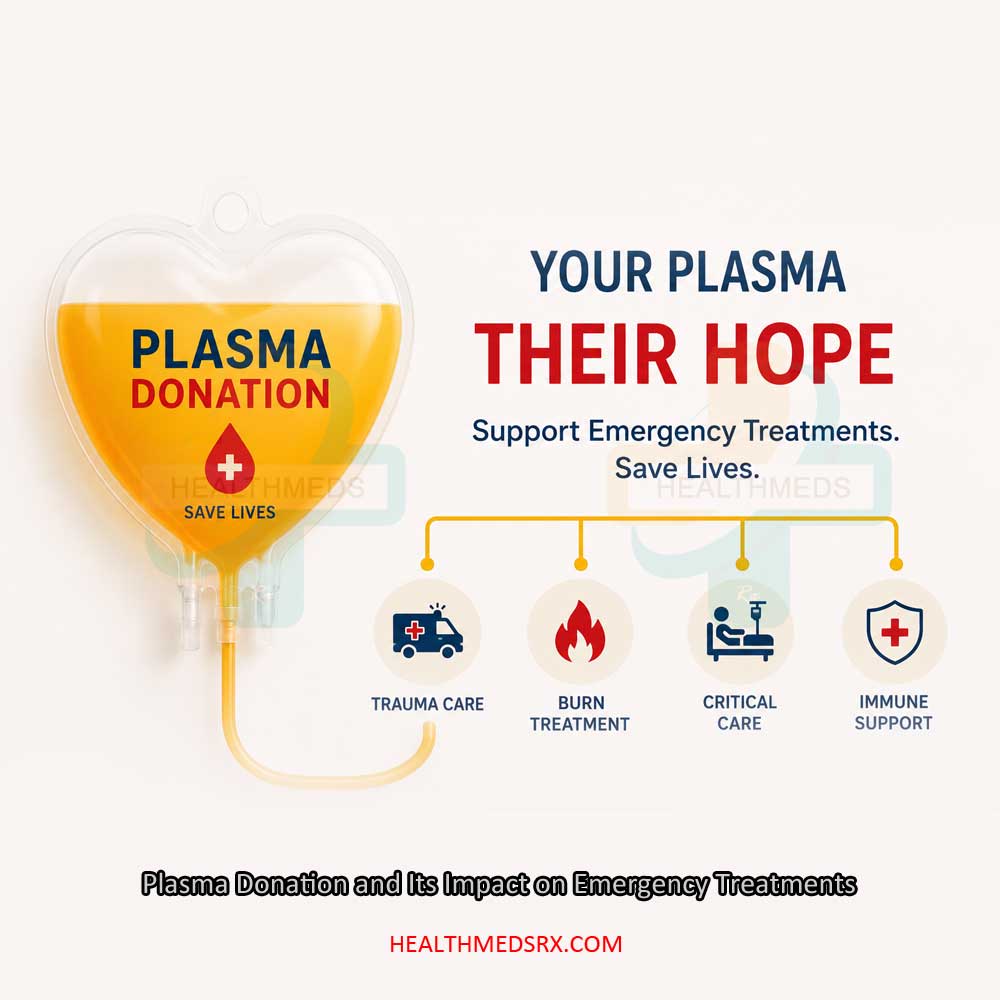

Every day, hospitals and emergency service centers rely on plasma donations to save lives. Plasma is an important component of blood, which plays an important role in trauma treatment, emergency surgery, treatment of burns and critical medical conditions. While many people are aware of blood donation, few are aware of the importance of donating plasma and how it directly supports emergency healthcare systems around the world.
Plasma donors donate blood to save lives for patients who are in a serious medical emergency, such as blood clotting problems, severe trauma or shock. The need for plasma is ever-growing with the lifestyle of today and so is the need for plasma donation. By educating people about the importance of plasma donation and its process, they can be motivated to donate plasma more often and help people in need.
Understanding Plasma Donation: What It Is and Why It Matters
The clear yellowish liquid substance in the body that carries blood cells, white blood cells, platelets, hormones, proteins, and nutrients through the body is blood. The plasma makes up over half of the volume of the blood. It has important blood-clotting factors and antibodies that are vital for health and healing.
The process of donating plasma is different from normal blood donation. At the time of blood collection, the blood is processed in a special machine to obtain plasma and all the blood cells are returned to the body of the donor after being separated in the special machine. Plasma donation (plasmapheresis) is a procedure whereby healthy individuals can donate plasma more often than donating whole blood.
Donating plasma is a very important process, the importance of which should never be underestimated. Plasma donated to hospitals is used for emergency treatment, surgery, Immunotherapy and chronic disease care. Without regular plasma donors, it would be very difficult to supply life-saving plasma products to health workers.
There are plasma collection centers around the world to keep emergency rooms (ER) and trauma centers adequately stocked in case of emergencies. I can often donate plasma to help many patients receive critical treatment and increase their chances of survival.
How Plasma Donation Supports Emergency Medical Care
Plasma products often urgently need emergency medical treatment. In cases of major accidents or severe injuries, patients can bleed to death within minutes. Plasma is given to such patients to stabilize them, restore blood volume and provide clotting proteins that stop bleeding.
In trauma care, plasma is especially important for patients suffering from internal bleeding or acute shock. Critical care plasma treatments are used to improve circulation, enhance blood clotting, and reduce complications in emergency surgeries.
Plasma therapy is also very beneficial for burn patients. Burns can cause a significant loss of body fluids and proteins, which can lead to a severe drop in blood pressure and lead to infection.
Plasma transfusions are also often used in emergency treatments such as organ transplants, complications during childbirth, or major surgery.
Plasma products may be in sudden need during natural disasters, road accidents and public health emergencies. With a continuous supply of plasma, hospitals never have to worry about running out of this life-saving substance when needed.
The Life-Saving Benefits of Donated Plasma in Emergencies
Patients receiving plasma therapy can enjoy several life-saving advantages during emergency care. One of the most important roles is to supply clotting factors to stop excessive bleeding. The situation is more complex for patients with trauma injuries or clotting disorders who may need immediate plasma support to avert life-threatening blood loss.
Antibodies and proteins in plasma also play a role in supporting the immune system. In some illnesses, plasma-based products enhance the body’s ability to resist infections and get better.
Severe injuries can cause shock from the loss of blood or injury. During emergency treatment, plasma transfusions are used to improve blood flow and raise the blood pressure. The assistance provided allows doctors to have more time to conduct surgery or other important procedures.
There are close links between plasma and patient recovery in intensive care. Plasma enhances the blood’s ability to clot, helps to maintain fluid balance and supports the functioning of organs, which helps to stabilize and treat the patient more quickly.
A prompt plasma transfusion may save a life in many emergencies. That’s why health care providers are still urging healthy people to donate plasma and help those in need.
Who Can Donate Plasma and How to Prepare for Donation
Most healthy adults can become plasma donors if they meet certain eligibility requirements. The criteria for plasma donors typically involve age and weight limits, health and medical history screening.
Donors are assessed before donation to make sure that it is safe for both the donor and recipient. Some people with medical problems or a recent illness may have to wait before donating plasma.
The process of preparation for plasma donation is fairly easy. Typically, donors will be encouraged to:
- Drink plenty of water before the appointment
- Eat healthy meals rich in protein and iron
- Avoid alcohol before donation
- Get enough rest the night before
- Bring identification and required medical information
The plasma donation process takes around 1-2 hours. The plasma is separated from blood cells by the machine during the process, and donors are lying down.
Safety of plasma donation is a paramount concern at plasma donation centers with licenses. Sterile equipment is used, donors are closely monitored, and safety measures are strictly observed during the process.
For the vast majority of donors, they can resume their normal routine soon after donation, particularly if they are well hydrated and follow the instructions they are given after they donate.
Addressing Common Concerns and Misconceptions About Plasma Donation
However, even though plasma donation is crucial, some misconceptions and myths prevent people from donating plasma. Informing them of the facts will help to reduce fear and encourage participation.
One of the prevalent problems is plasma donation side effects. With proper guidelines for the donation, serious complications are rare; some donors experience mild fatigue, dizziness or dehydration after the donation.
The question that many people ask is, Is plasma donation safe? The answer is yes. The licensed plasma donation centres have health and safety measures in place that will ensure the safety of the donor and the recipient.
One of the other common myths is that donating plasma will permanently weaken the body’s immune system. In fact, the body of a blood plasma-donating person will replace the lost plasma within a few days, and healthy donors recover quickly.
But some individuals get confused between plasma and whole blood donation. Both are related to blood collection; however, in plasma donation, the blood is separated into plasma and blood cells, and the plasma is sent off, but the blood cells are returned to the donor.
Educating and spreading awareness is an important part of dispelling myths and misconceptions surrounding plasma donation and raising awareness within the community about the role of plasma donors in the healthcare sector.
How You Can Make a Difference: Becoming a Regular Plasma Donor
Plasma donors are regular donors to hospitals, providing a continuous source of life-saving plasma products for emergency and critical care situations. A donation could be made to someone who has a burn injury, surgery, serious medical condition or trauma.
Giving plasma is more than just giving back; it’s also making a difference. When it comes to life-saving and helping communities, donors are now involved. Also, certain plasma donation centers might also offer health check-ups or payment to qualified donors.
Plasma donation frequency guidelines enable a lot of healthy people to donate plasma safely and healthily. This is particularly important for regular donations since hospitals need plasma on a daily basis.
CPCs are an important way to support the health systems and emergency departments during spikes in demand.
Promoting family members, friends and communities to donate plasma to patients in critical conditions can make a strong support system for patients.