

Acidity is one of most common digestive problem that affect many people. Digestive problems can create problems for people; chronic discomfort caused by indigestion can impede daily living. Common signs and symptoms of heartburn include: an unpleasant feeling of fullness after a meal, chest discomfort, and the feeling of having “burps” that are hazardous to your healthy diet, as well as gas and soreness from eating. In the last few years, a lot of people have developed acid reflux as a result of the pace of modern life: with busy schedules, poor eating habits, high levels of tension, and sleepless nights.
When someone suffers from acid reflux, the problem often returns; chronic bouts of acid reflux can result in long-term digestive problems and potentially compromise a person’s health. Many people use an over-the-counter (OTC) antacid as a quick solution for symptom relief from overproduction of acid. Antacids are well known for providing quick relief by calming an irritated digestive tract within minutes of being consumed, and many people find them to be reliable options for managing their symptoms.
In order to achieve the most successful level of digestive health and comfort during your daily life, you must understand how antacids work and how they can assist you in managing your acid levels naturally.
Why Acidity Happens?
The stomach naturally produces acid to break down food and support digestion. However, certain habits and health conditions may increase acid production or weaken the valve between the stomach and esophagus. When this happens, acid can move upward, causing irritation and a burning sensation known as heartburn.
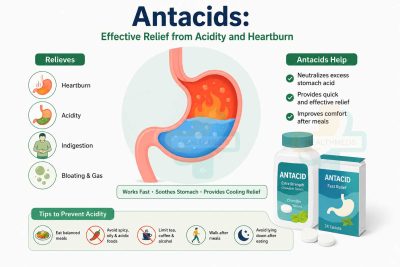 Common causes of acidity include:
- Foods that are high in fat and spices.
- Overeating during meals
- Excessive use of tea, coffee or alcohol
- Smoking habits
- Stress and anxiety
- Immediately fall asleep after eating
- Obesity
- Certain medications
- Inactivity
People who consume large amounts of processed foods or do not eat regularly or at a regular time are more prone to stomach problems.
Symptoms of Heartburn and Acid Reflux (Acidity)
The symptoms of acidity can be different for different people. Some people experience a slight fullness, and some experience a severe pain in the chest or throat
Common symptoms include:
- Feeling of burning in the chest
- Sour taste in the mouth
- Bloating and gas
- Frequent burping
- Stomach heaviness
- Nausea after meals
- Throat irritation
- Difficulty swallowing
When acid reflux occurs frequently, it may be a symptom of Gastroesophageal Reflux Disease (GERD), which should be treated with proper medical treatment.
What Are Antacids?
Medicines that neutralise excess stomach acid are known as antacids. They respond quickly to the irritation, and provide temporary relief from heartburn, acidity, indigestion and bloating.
There are various forms of these medications, such as:
- Chewable tablets
- Syrups
- Powders
- Liquid suspensions
Antacids contain calcium carbonate, magnesium hydroxide, aluminium hydroxide or sodium bicarbonate.
Popular antacid medicines include Gelusil, Tums, and Mylanta.
How Antacids Provide Relief from Acidity?
Antacids neutralise the acid in the stomach. When ingested, these ingredients will work with the stomach “juices” to reduce burn and irritation.
Benefits of antacids may include:
- Fast relief from heartburn
- Reduced stomach discomfort
- Relief from indigestion
- Increased comfort after eating
- Less abdominal swelling and flatulence.
- Improved sleep quality while experiencing reflux.
Many people would have antacids at home if they experience sudden discomfort in their stomachs, as they are quick to act..
Acid-Control Medications for Long-Term Relief
If the acidity is regular or severe, doctors might prescribe medicine to reduce the acidity for a longer period of time.
Proton Pump Inhibitors (PPIs)
They can neutralize stomach acids and are commonly used for stomach ulcers and GERD (acid reflux).
Examples include:
- Omeprazole
- Pantoprazole
- Esomeprazole
- H2 Blockers
These drugs enable the stomach to produce less acid and can help you feel better for longer.
Examples include:
- Famotidine
- Cimetidine
These treatments are usually prescribed to help with symptoms when other antacids can’t help.
Lifestyle Tips to Reduce Acidity Naturally
Medications may be needed to help manage symptoms, but healthy lifestyle habits are key to preventing recurring digestive problems.
- Eat Smaller Meals: Having large meals increases the pressure in the stomach and may lead to acid reflux.
- Avoid Trigger Foods: Limit foods that aggravate symptoms, such as spicy, oily snacks, chocolate, caffeine and carbonated beverages.
- Stay Upright After Eating: Don’t lie down right after eating. Walk about for a few minutes after eating, as it could aid digestion.
- Maintain Healthy Weight: Extra weight puts pressure on the stomach and can make heartburn even worse.
- Drink More Water: Consuming adequate water will keep your digestive system healthy and can reduce irritation.
- Reduce Stress: Stress causes effects on digestion and can cause a rise in stomach acidity. Increase digestive comfort by using meditation, yoga, and exercise.
Are Antacids Safe?
When used properly, most antacids are safe for occasional use. But, side effects of overuse include:
- Constipation
- Diarrhea
- Mineral imbalance
- Gas or bloating
- If some people have certain issues with their kidneys, it may turn into complications.
Antibiotics, iron supplements and other prescription drugs may be affected by antacids; patients should consult a healthcare professional before taking them.
Natural Remedies for Digestive Comfort
Some natural treatments for digestion can be used along with medical treatment.
- Ginger: Ginger can help relieve nausea and aid in digestion.
- Bananas: Bananas are easy to digest and can help to soothe stomach irritation from acids.
- Yogurt: Yogurt with probiotics is good for the beneficial bacteria in the gut.
- Oatmeal: Fibre-rich foods can help neutralise excess acid and aid in digestion.
- Herbal Tea: Chamomile tea is a natural remedy for bloating and digestion.
Final Thoughts
Acidity and heartburn are common gastrointestinal problems that can impact an individual’s comfort and health. One of the fastest and best ways to relieve burning sensations, indigestion and acid discomfort remains the use of antacids. Many people can treat their symptoms using drugs like Gelusil, Tums, and acid control drugs like Omeprazole.
Good digestion will be complemented by healthy eating habits, avoiding trigger foods, stress reduction and exercise. An imbalance of diet and lifestyle can cause very uncomfortable and difficult symptoms of stomach acid or heartburn, but once the balance is achieved, it will not be that hard or uncomfortable to keep stomach acid down and heartburn away.