
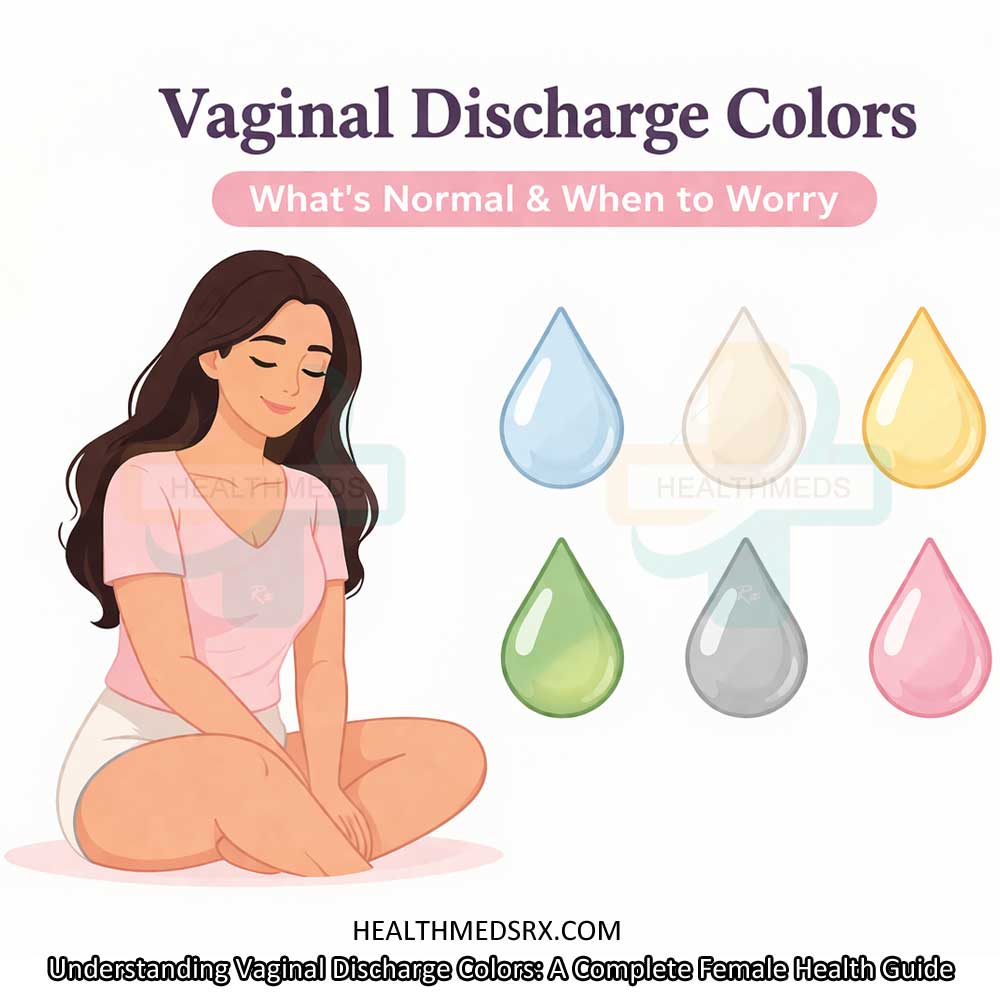

Vaginal discharge is a natural and necessary process in the reproductive system of a woman. It has an important role to play in keeping the vagina clean, preventing infections, and overall intimate health. Although discharge is all too normal, it is not well known or addressed until something appears to be off. The color of discharge is one of the most significant indicators of your vaginal health that your body can provide you.
When you are aware of the meanings of the various discharging colors, this will enable you to have a better understanding of your body, be able to identify the early warning signs of anything going wrong in the body, and act accordingly when necessary. This guide will assist you in knowing the difference between the normal variation and the warning signs that you should seek medical care.
What Is Vaginal Discharge?
Vaginal discharge refers to a fluid that is secreted by the vagina and cervical glands. It is beneficial in the elimination of dead cells and bacteria, thus maintaining the vaginal environment as stable and clean. Discharge amount, texture, and color may vary with hormonal variations, menstrual cycles, pregnancy, lifestyle and general health.
Though the alterations are typical, some of these colors, in combination with such symptoms as odor, itching, or uneasiness, may signify an infection or underlying illness.
Clear Discharge
The clear discharge is regarded as normal and healthy. It may be either watery or stretchy, based on the stage of the menstrual cycle.
- After a physical activity, or when aroused sexually, watery clear discharge can be present.
- During ovulation, stretchy discharge of an egg-white nature is typical and an indication of maximum fertility.
It is a kind of discharge that is meant to keep your body lubricated and to promote reproduction. Clear discharge is not something to worry about as long as a person does not experience any discomfort or unusual smell.
White Discharge
Another normal discharge is white or milky, particularly at the start or end of your menstrual period.
However, the texture matters:
- Normal discharge is thin, smooth, and white.
- A thick, cottage cheese-like discharge which is white in color can be a symptom of a yeast infection.
In order to avoid the situation when it is supported by thick white discharge and itching, redness, or irritation, it is more appropriate to refer to a medical specialist and make a diagnosis and prescribe something.
Yellow Discharge
Yellow discharge is not a simple case to interpret because it could either be harmless or a symptom of infection, according to the colour and the symptoms associated with it.
- A yellow discharge that is light and clear may or may not have an odor.
- Foul odor or pain in the dark yellow discharge, which can be termed as a bacterial infection or sexually transmitted infection (STI).
Where the discharge is thicker, smells offensive or irritates, then one should not ignore it.
Green Discharge
Green discharge is not a normal phenomenon, and it mostly indicates infection. It can be thick or frothy and usually contains a strong and unpleasant odor.
The infection that is usually linked to this kind of Vaginal discharge is STIs or an extreme bacterial imbalance. Symptoms may also include:
- Vaginal itching or burning
- Pain during urination
- Pelvic discomfort
- In the event of discharge of green color, medical attention should be sought early enough before it complicates.
Gray Discharge
Gray discharge is, in most cases, associated with bacterial vaginosis (BV), a problem attributed to the inequality of natural bacteria in the vagina.
Common features include:
- Thin, grayish discharge
- Strong fishy smell (particularly, following intercourse)
Although BV is not taken as a severe case all the time, it still requires a form of treatment that might help to restore the natural balance and prevent further complications.
Brown Discharge
Brown discharge is normally innocuous and is found when the old blood is slow to get out of the body. It is commonly seen:
- This occurs in the first or last days of a menstrual cycle.
- After a period has finished
Nevertheless, brown discharge that is not usual in your cycle may need some attention, particularly when it is chronic and with abnormal symptoms. Very infrequently, it might be connected with hormonal disorders or some other diseases.
Pink Discharge
Small vaginal fluid that is mixed with some blood is the usual cause of pink discharge. It may appear:
- Before or after menstruation
- During ovulation
- Due to minor irritation or hormonal fluctuations
Pink discharge in early pregnancy may at times be attributed to implantation bleeding. Although it is generally not harmful, regular or uncontrolled pink discharge is something that should be looked into by a medical professional.
Red or Bloody Discharge
The red discharge is generally a sign of fresh blood, and it is mostly related to menstruation. But when it happens out of your usual time, it can be an indicator of:
- Hormonal imbalance
- Infection
- Cervical or uterine issues
The medical professional should always check unexplained bleeding, particularly following menopause or an interval between periods.
Operating factors that influence Discharge color
The color and consistency of vaginal discharge can be affected by several factors, including:
- Hormonal changes: Pregnancy or birth control Hormonal changes.
- Eating and fluids: The vaginal balance is affected by overall health.
- Sexual activity: Temporarily may change Vaginal discharge.
- Hygiene practices: Excessive use of harsh products can cause disruption of natural bacteria.
- Drugs: Yeast infections may be caused by antibiotics.
Learning about these influences may assist you better understand the changes in your body.
When Should You Be Concerned?
Although it is normal to experience a lot of changes in discharge, there are some indicators that cannot be overlooked. You must visit a medical professional in case you observe:
- Sudden color shift (particularly green, gray or dark yellow).
- Strong or unpleasant odor
- Constant itching, burning or irritation.
- During urination or sexual intercourse pain.
- Abnormal bleeding not during your menstrual period.
The complications can be prevented, and effective treatment can be achieved with early diagnosis.
Tips for Maintaining Healthy Vaginal Balance
The issue of abnormal discharge and infections can be minimized through proper vaginal health. Here are some practical tips:
- Avoid douching, as it disrupts natural bacteria
- Apply light and unscented hygiene products.
- Wear breathable cotton underwear
- Stay hydrated and maintain a balanced diet
- Practice safe sex
- Use of unnecessary antibiotics should be avoided.
A healthy lifestyle also plays a major part in the maintenance of the reproductive system.
Understanding Your Body Is Key
All women have different bodies, and what is considered normal by one individual may not be normal to another. The trick is to get to know your own body patterns. Monitoring discharge during your menstrual cycle can enable you to see something out of the ordinary quickly.
Vaginal discharge should not be a cause of embarrassment or confusion, but rather, they are useful message your body sends to you. It gives you good information regarding your similar health and well-being in reproductive matters.
Important questions related to Vaginal Discharges :
1. Is it normal to have Vaginal discharge every day?
Yes, it is normal to discharge daily. It assists in maintaining a healthy vagina.
2. What color Vaginal discharge is unhealthy?
Color is also an indicator of infection, so green, gray and dark yellow discharge with or without odor or discomfort are often indicators of infection.
3. Can depression affect vaginal discharge?
Yes, depression can cause hormonal changes that may affect the amount and consistency of Vaginal discharge.
4. When should I see a doctor?
A doctor should be consulted when Vaginal discharge smells strongly, is of an unusual color or produces itching, pains or irritation.
5. Is white Vaginal discharge always a yeast infection?
No, Vaginal discharge is thin and white. Itching and only thick, clumpy discharge may be the only signs of a yeast infection.
6. Can diet impact vaginal discharge?
Yes, a poor diet or dehydration can affect vaginal health and discharge patterns.