
Have you ever comes across the term “Brain Zapping“? Well !In the modern, hectic, and distracting world, a lack of focus has become one of the greatest productivity problems. Notifications, mental exhaustion, and numerous other factors are showing why many individuals are looking to find more innovative methods to enhance focus and optimize brain functioning.
Home neuro stimulation, also known as brain zapping, is considered one of the emerging solutions that have left research laboratories and reached living rooms. The technology was initially used in clinical settings as medical devices and was later introduced to consumers as devices that enable improved focus, mental clarity, and productivity.
However, what is brain zapping, how is it done, and should it be investigated? Let’s take a closer look.
What Is “Brain Zapping”?
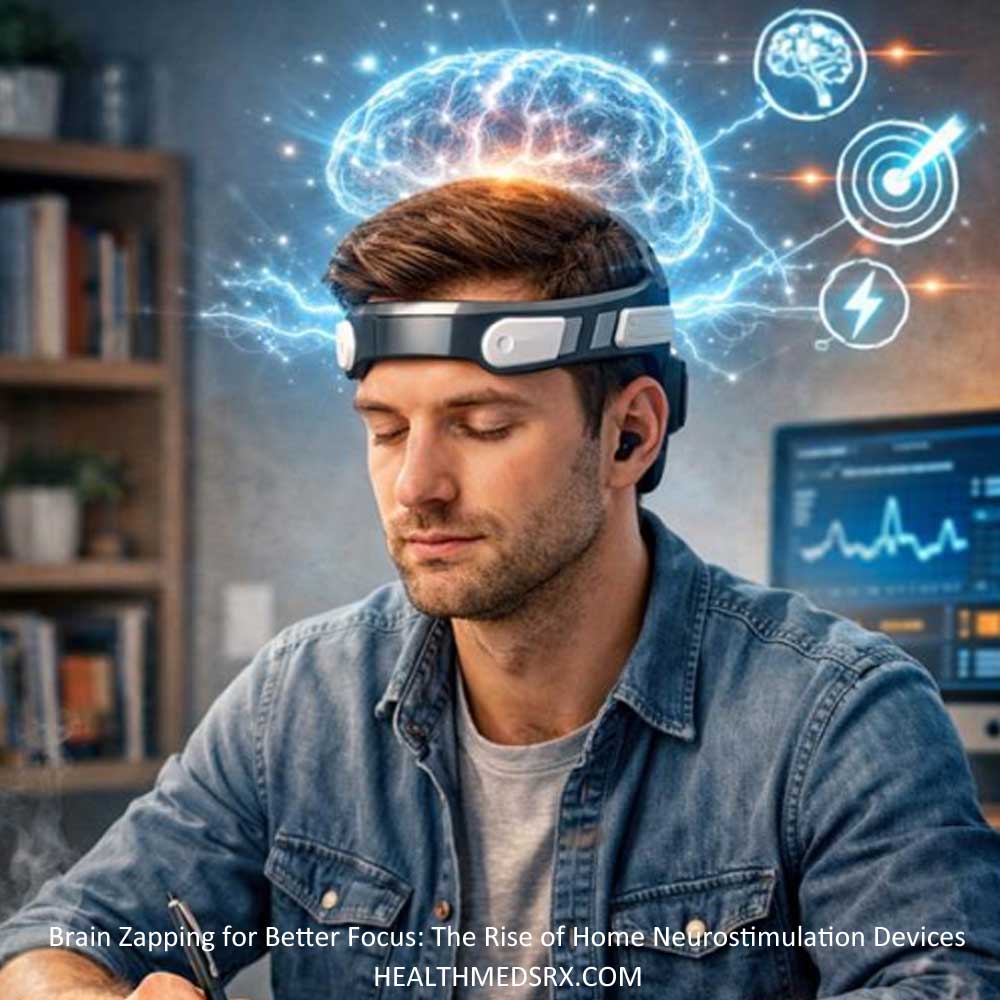
Brain zapping is an informal term used to describe non-invasive brain stimulation that uses low-intensity electrical currents to the scalp. These currents do not force the brain to work, but they only gently change the process of communication between neurons.
The most important part of this approach is that the brain cells become either more or less sensitive to stimulation, which is known as neural modulation. Transcranial direct current stimulation (tDCS) is the most prevalent form of home device, but there are others. The devices work to promote better concentration without surgery or medication by addressing areas related to concentration and decision-making.
The Science Behind Focus: How Brain Stimulation Could Enhance Attention and Productivity
This process of attention starts in the prefrontal cortex of the brain, as this area is involved in attention, planning, and impulse control. Studies on the cognitive performance of the brain indicate that activation of certain brain areas has the potential to temporarily enhance the efficiency of neuronal communication in the process of mental stimulation.
An important concept to mention here is neuroplasticity, the ability of the brain to change and reorganize itself. Mild electrical stimulation has been found to increase the sensitivity of the nervous system, making it easier to focus on productive tasks such as studying, solving problems, or creative work. This does not mean immediate intelligence improvement, but rather subtle changes in how the brain handles ongoing attention.
Concentration is a complicated science, and the outcome differs in different individuals. Although certain users report an increase in mental clarity, others report mild effects. Nevertheless, the increasing research has led to interest in brain stimulation as a tool for productivity and concentration.
The Evolution of Home Neurostimulation Devices: From Clinics to Consumer Gadgets
Neurostimulation devices have a long history, as the first ones were produced decades ago, but they were used in medical and research settings. Old systems were large, costly, and only available in hospitals or neuroscience laboratories. However, with the passage of time, the development of electronics, wearable technology, and improvements in battery efficiency led to more compact designs.
The current technology of brain stimulation at home is a broader trend of consumer neurotech. Devices are smaller, driven by apps, and are designed to be used by ordinary people, not clinicians. Many of them resemble headbands or wearable concentration machines, which also enable a session to be done at a desk or a place of residence.
This shift towards medical devices reflects the trends within the fitness trackers and sleep technology – the personalization of neuroscience into regular use.
Popular items: The Survey of the Most Discussed Neurostimulation Home Devices
A number of options are currently being discussed in the consumer neurotechnology market. An average tDCS headset review also mentions ease of use, comfort, and targeted stimulation programs for focus, learning, or relaxation.
Some devices have minimalism and smartphone connectivity, and others have customizable stimulation programs. Some of the factors users consider when comparing the best home brain stimulation devices are battery life, guidance in electrode placement, and safety limitations included in the software.
Although consumer neurotechnology brands take different forms, the majority of their products are positioned as wellness or productivity products, and not as medical devices. This is a critical point during the assessment of claims and expectations.
The Pros and Cons: A Weighing of the Possible Consequences of DIY Brain Stimulation
The safety of neuro-stimulation at home is one of the largest questions associated with this trend. On the positive side, users note that they can improve focus, become less fatigued, and be more productive. Others consider these devices as productivity hacks, whereas others are wondering whether they could be effective in addressing focus problems associated with ADHD.
Nonetheless, DIY brain stimulation is associated with dangers, too. The side effects may include mild headaches, irritation of the skin, or tingling during use. Long-term effects are under research, and their misuse may yield unwanted results.
Weighing the pros and cons of tDCS at home implies taking into consideration that these Brain Zapping devices are not magic pills. They are to be approached with care, according to the guidelines of the manufacturer, and preferably in combination with already tested habits, such as sleep, physical activity, and work routines.
User Experiences: True Stories of People Who Tested Brain Zapping to Improve Focus
The user testimonials of brain zapping show a very diverse experience. Other people note that they have become more focused during work hours with an experience of smoother concentration and fewer distractions. Some people, however, can see more benefits, while others notice nothing at all.
Anecdotal evidence and personal stories usually point to the fact that outcomes are dependent on consistency, the nature of the task, and the brain chemistry of a person. Online case studies indicate that neurotech tools are potentially most effective as components of an overall mental wellness initiative and not a solution in themselves.
These practical reviews underline the fact that one must not have high expectations from brain zapping.
Navigating the Future: Could Brain Zapping Become a Mainstream Productivity Tool?
The future of cognitive enhancement technology poses critical concerns related to access, morality, and the effects on the long term. With the increasing use of personal neuroscience devices, there is a need to consider how they can fit into the education, work culture, and mental health practice within society.
Ethical issues involved are equitable access, responsible marketing, and informed consent. Nevertheless, adoption trends in the mainstream imply the increased acceptance of technology-assisted focus tools, particularly among remote workers and students.
When scientific evidence shows that it is safe and effective, brain zapping may become one of the numerous strategies that individuals adopt to cope with attention in a busy digital world.
Advice to Anyone Thinking of a Device for Brain Zapping:
If you are interested in trying home neuro stimulation:
- Carry out due research – be aware of how the technology functions, and what the claims that science supports.
- See a medical practitioner, particularly when you have neurological conditions or if you are taking medication.
- Use recommendations and follow guidelines.
- Imagine it as a complement, not as an alternative to evidence-based interventions such as sleep, nutrition, exercise, and formal cognitive training.