
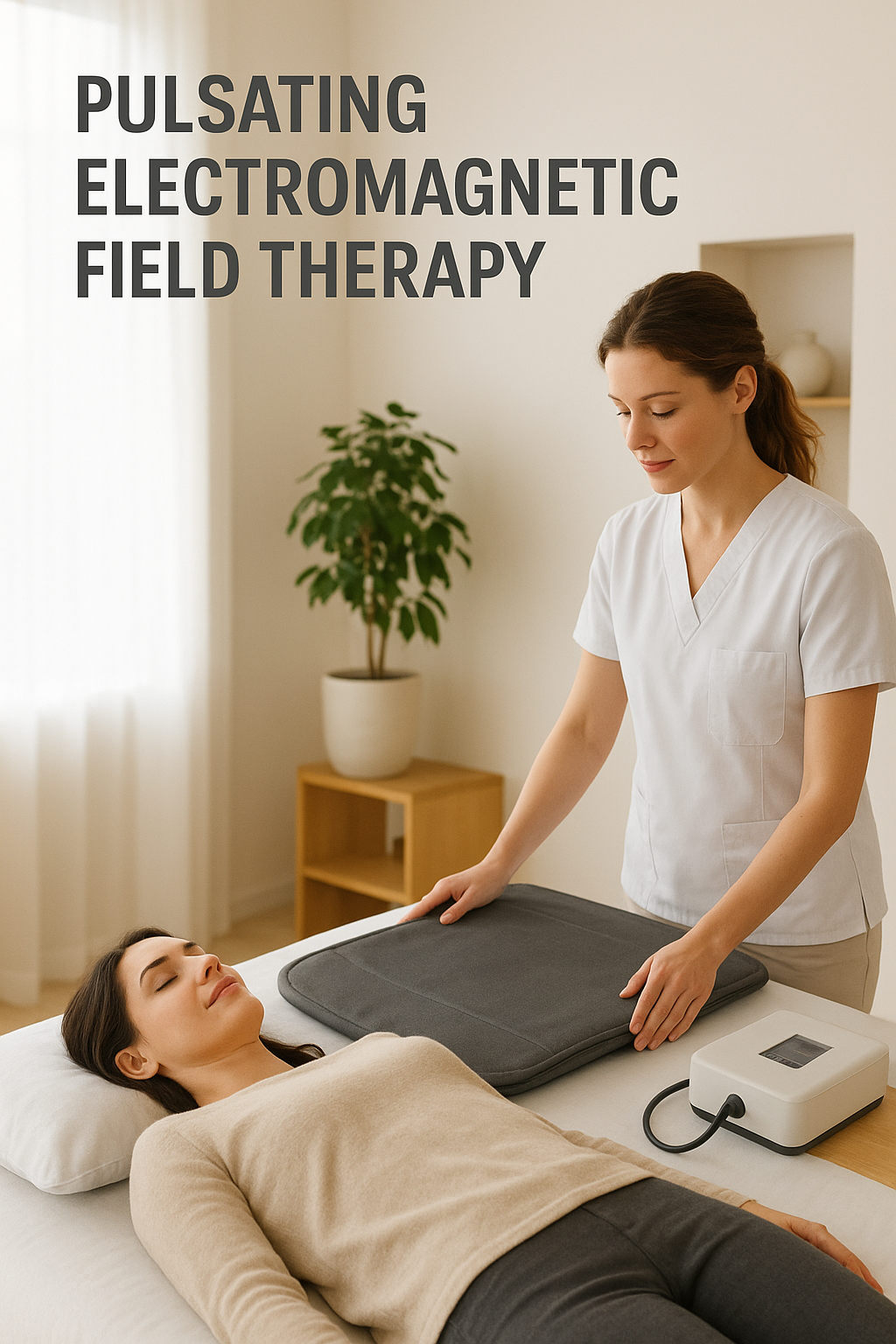

You may have heard the term pulsating electromagnetic field therapy (PEMF therapy) a lot lately. But what really happens when you walk into a clinic in the USA or UK for your first session? Let’s pull back the curtain, no fluff, real studies, real people, real details.
Why People Try Pulsating Electromagnetic Field Therapy?
- To reduce chronic pain
- To speed up recovery after surgery or injury
- To ease stiffness, improve mobility
- To help with sleep, fatigue, or post‐viral symptoms
Pulsating Electromagnetic Field Therapy isn’t just a theory as it has been tested in clinical trials and case reports. For example:
- In patients with knee osteoarthritis, a randomized controlled trial found that those who had PEMF therapy in addition to physical therapy had significantly less pain, less stiffness, and better function compared to sham (placebo) treatment.
- Another study looked at non‐specific low back pain, finding that Pulsating Electromagnetic Field Therapy helped with pain and physical function compared to placebo or standard therapy.
- In a case report of a Long COVID patient, individualized PEMF at area C7/T1 led to sustained improvement in neuromuscular adaptation (better adaptive force) and symptom relief.
So yes, there are validated real experiences from people going through it.
Stepping Into Session One: What Happens, Step by Step
 Here’s what you can expect when you actually try your first pulsating electromagnetic field therapy session. Think of this like a walkthrough so you know exactly what’s going on.
| Stage | What You’ll See & Feel |
|
Arrival & Intake |
|
| Choosing the Machine / Device |
|
| Getting Comfortable |
|
| Starting the Pulses |
|
| Session Duration |
|
| First Session Reactions |
|
How Many Sessions, How Much Cost, What to Expect?
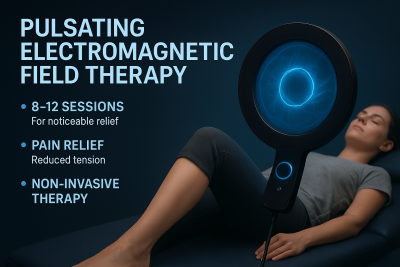 These are the questions most people want answered:
- How many sessions: Depends on the condition. Chronic pain or osteoarthritis often needs 8-12 sessions over several weeks. For some, three sessions per week for 2-3 weeks, then taper off.
- The knee OA study: 15 sessions over 3 weeks. Along with osteoarthritis Pulsating Electromagnetic Field Therapy also helps gain better results for patients battling with osteoporosis.
- Cost: In the USA/UK wellness & physiotherapy clinics, the cost per session varies widely. Some clinics charge high fees depending on device quality and location.
- (Exact numbers change, but expect premium clinics to be towards the higher end.) Insurance may not cover “wellness” PEMF outside of approved medical settings.
- Results timeline: Some people feel changes after one session (reduced tension, better rest). Many require several sessions for meaningful pain relief, stiffness reduction, and improved function. Studies show measurable improvements in pain scales at 3-7 weeks in knee OA patients.
What To Look Out For (Pitfalls & Things That Help)
- Device type & settings matter: Not all Pulsating Electromagnetic Field Therapy machines are equal. Frequency (Hz), intensity (Tesla or milliTesla), pulse width, coil or mat design affect outcomes.
- Consistency: One session might feel good but true benefits usually come when you stick with the therapy plan.
- Safety first: Pregnant people, those with pacemakers or certain implants should consult a doctor. Studies generally report good safety for properly used Pulsating Electromagnetic Field Therapy devices.
- Supplementary therapies help: Many studies combine Pulsating Electromagnetic Field Therapy with physical therapy, rehab exercises, or standard care. The effect is often larger when part of a holistic plan.
Why Trust These Experiences?
Because these stories come not from marketing blurbs but from peer-reviewed clinical trials and case reports. They use established metrics like:
- VAS (Visual Analog Scale) for pain
- WOMAC for stiffness/mobility in osteoarthritis
- Oswestry Disability Index for back pain
- Numeric Rating Scales, grip/pinch strength (for hand conditions)
So when someone says “my pain dropped by 30-40% after 6 sessions,” often that’s coming from real data.
First Session Summary & What You Should Look Forward To
Your first pulsating electromagnetic field therapy session will likely leave you:
- More relaxed than you expect
- Sensitive to small shifts and sometimes with less tension, less stiffness
- Interested to see what comes next
If you go in with realistic expectations (this isn’t instantaneous or miraculous, but it does work over time), with a good device choice, consistency, and under proper guidance, the chance of meaningful relief is high.