
Hepatitis C: From Deadly Past to Curable Future | Hope for Elimination by 2030

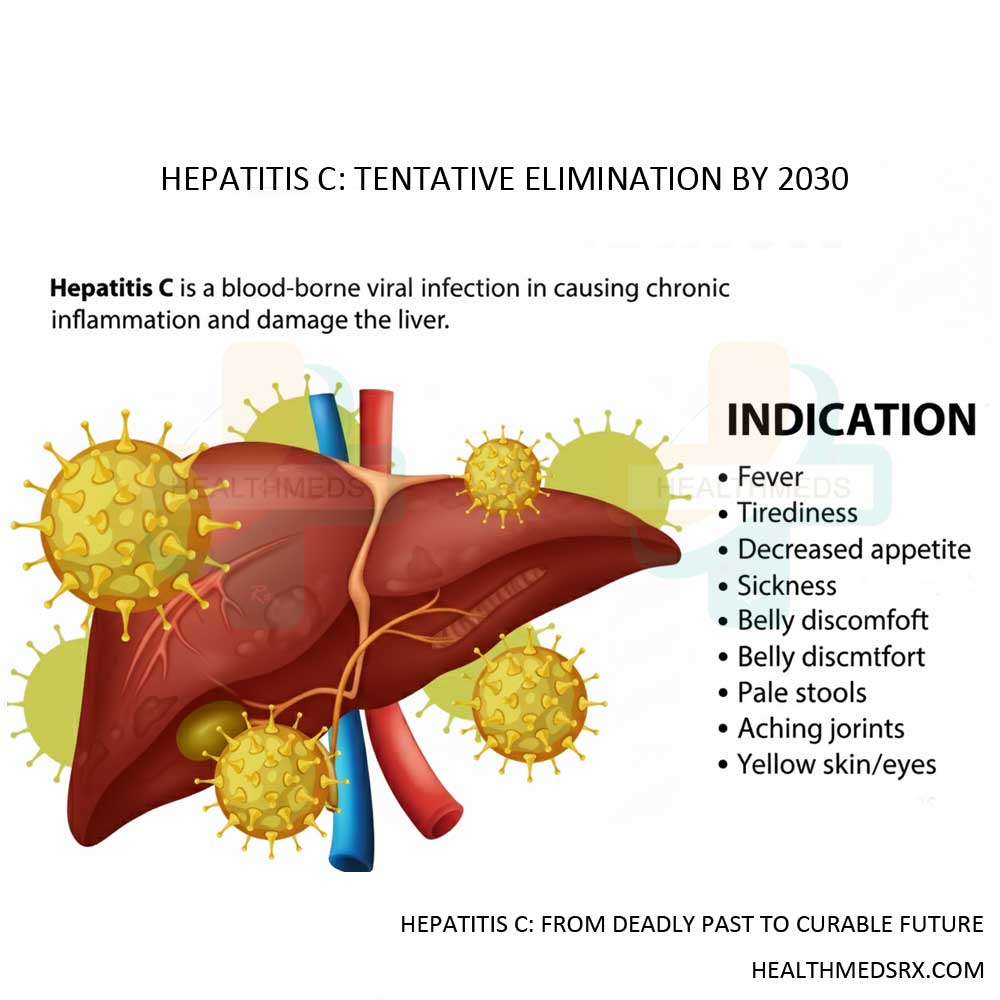
Back then in the 90s, a hepatitis C diagnosis was a death sentence. The hepatitis C virus (HCV) was implicated in permanent liver complications, a lack of treatment, and considerable stigma.
Now jump to the present when the news is quite a contrasting one: today, hepatitis C can be treated using direct-acting antivirals (DAAs) and this disease is now cured in over 95% of patients.
However, as modern medicine has changed the perspective, there are still difficulties. Millions of people around the world are still not diagnosed, many of them cannot obtain treatment, and they can still be re-infected.
This is the reason why researchers, health practitioners, and international firms are working towards an ambitious agenda to eradicate hepatitis C as a social challenge by 2030.
What is Hepatitis C?
Hepatitis C is a viral infection that attacks the liver. It is transmitted by the hepatitis C virus (HCV) and is mostly transmitted through contact with infected blood.
Common routes include:
- Exchanging needles or other drug injection gear.
- Getting inappropriate medical services or blood transfusions in areas where they have not been checked.
- In rare cases, sexually transmitted or mother-to-child transmission can occur during delivery.
The infection can be either acute (short-term) or chronic (long-term) due to the virus. Although a small proportion of individuals either clear the virus, the majority of them develop chronic hepatitis C that may result in liver scarring (fibrosis), severe liver damage (cirrhosis), or liver cancer if there is no treatment.
Since hepatitis C is usually asymptomatic for several years, many individuals cannot realize that they are infected with hepatitis C until they get severe liver disease. It is a silent development that makes screening and early treatment extremely important in preventing the proliferation and complications.
Hepatitis C: Today: An Underdiagnosed but Curable Condition.
The hepatitis C breakthrough came in the form of DAAs, which can clear the virus in 8-12 weeks with minimal side effects. The treatments replaced the previous interferon-based therapies that were not effective and were usually harsh to the patient.
However, it is not everything that the DAAs have done with their success:
- Hepatitis C is affecting more than 50 million individuals across the world.
- A lot of people are not aware that they are infected, as the disease has no symptoms for many years.
- The barriers are posed by the treatment cost and awareness deficiency, especially in the low and middle income countries.
This is the reason why the importance of testing, early detection and increased access to treatment is vital as we progress to elimination.
Global Elimination Goals
The World Health Organization (WHO) has established a bold goal and aims to see a 90 percent reduction in new hepatitis C infections and a 65 percent decrease in related deaths with hepatitis C by 2030. There are already countries such as Egypt and Australia that are front-runners with national screening and treatment programs.
However, it will not be an easy task to achieve this objective all over the world.
The challenges include:
- Stigma and ignorance – a high number do not want to take the test because of fear or lack of knowledge.
- Inequality in healthcare access rural and underserved populations frequently lack diagnosis or treatment.
- Risk of reinfection – particularly high-risk patients like people who inject drugs.
Nevertheless, it is not a fantasy to kill. Through collective action, improved policies and further innovation, it can be within reach.
The Vaccine Challenge
The most frequently asked question is: Since there is a vaccine against hepatitis A and B, why not against hepatitis C?
The complexity of the hepatitis C virus solves the answer:
- HCV is very diverse with seven major genotypes and a lot of subtypes.
- It is rapidly mutated thus evading the immune system. Boosting Immune System becomes utmost important if one need to take control over HCV.
- The occurrence of natural immunity following infection is quite low i.e. the body does not always produce protective antibodies.
- Thousands of vaccines are being developed despite all these challenges.
Some of the strategies under test are:-
- T-cell immunization that would enhance the immune system to identify and kill the virus.
- Genotype-neutralizing antibody-based vaccines against HCV.
- It’s preventive vaccines against the at-risk population and therapeutic vaccines against the already infected.
- Although currently there is no commercially available vaccine, there is a good prospect. The breakthrough in this case would see the elimination speed up by an enormous margin as it would stop new infections before they arise.
Improvement in Research and Technology
Hepatitis C would not just depend on vaccines to have a better future. The landscape is changed by other research and technological innovations:
- Quick-test diagnostic methods with the ability to start the treatment process within a day.
- Self-testing kits, which would grant people privacy and control over their health.
- Telemedicine devices that allow the population to receive care for hepatitis C even in the most distant corners.
- Liver regeneration research is investigating the possibility of repairing liver damage that has been caused by HCV.
- Management of co-infection, particularly among patients who live with HIV and hepatitis C.
- The developments imply that patients will be more than just cured, they are likely to record better overall health statuses as well.
Living Beyond Hepatitis C: Post-Cure Problems
The treatment of hepatitis C is life changing, but this is not the conclusion. In individuals whose liver has already suffered significant damage to an extent that it cannot be treated, there is the risk of cirrhosis and liver cancer as well. This is why it is necessary to track progress and make healthy lifestyle decisions even after the virus is cleared.
- Exercise and diet can improve liver condition and minimize pressure.
- Liver functions are conducive when alcohol is avoided and unnecessary medication is used.
- Anxiety, depression, or stigma experienced by many of the patients can be addressed through mental health support.
- Combining long-term wellness programmes with viral cure in the future is likely to result in holistic hepatitis cures that will see the patients prosper.
Hope for the Future
Now there is cause to be optimistic than ever before:
- Other countries such as Egypt have accomplished mass treatment encounters; curing millions of people in record time.
- In the developing countries, generic drugs are broadening accessibility, reducing the cost of treatment by a large margin.
- The community-based interventions are lowering the stigma and promoting testing.
- The vision regarding the future is understandable: a hepatitis C-free world. With the availability of vaccines and the ongoing development of access to treatment, the eradication of it by 2030 may turn into a reality, rather than an aspiration.
Goodbye to Hepatitis C by 2030
Hepatitis C has had one of the greatest success stories in the history of medicine: a fatal illness that can be only treated and not cured but a treatable disease with the prospect of eradication. The path to the future is not clear, yet vaccine development, fair distribution, and awareness of the population are critical challenges.
Yet hope shines brightly. With innovative research, global commitment, and expanding access to care, hepatitis C could soon become the first chronic viral infection that humanity successfully eliminates.
The future of hepatitis C is not just about cure – it’s about prevention, equity, and ultimately, elimination.