
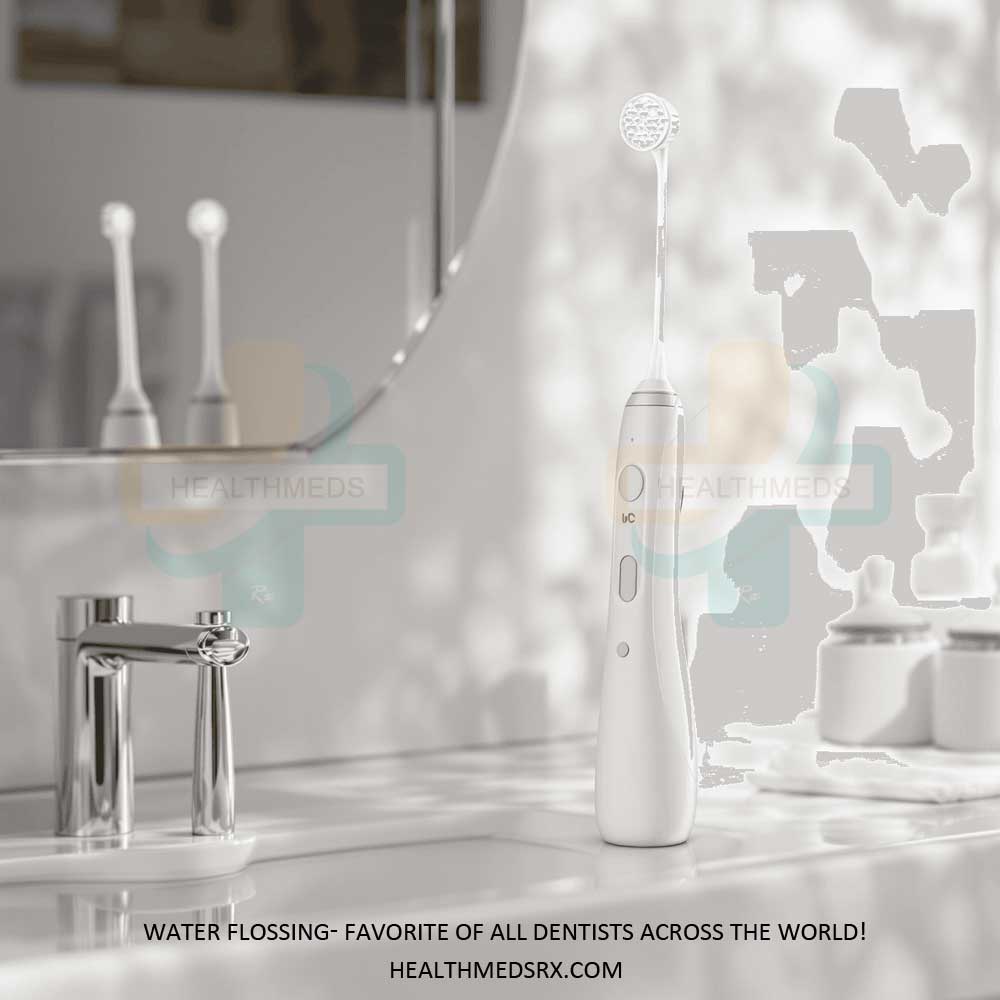

You may have noticed your dentist mentioning water flossing more often during your routine check-ups. This isn’t just another dental trend, it’s a scientifically backed approach to oral care that’s changing how we think about cleaning between our teeth.
Water flossing uses a targeted stream of pressurized water to remove plaque, bacteria, and food particles from areas traditional string floss often misses. Unlike conventional flossing methods, water flossers can reach deeper into gum pockets and provide a gentler cleaning experience that many patients find more comfortable and effective.
Your oral hygiene routine directly impacts your overall health, from preventing gum disease and tooth loss to reducing your risk of heart disease and diabetes. When your dentist keeps bringing up water flossing, they’re recognizing that maintaining effective oral hygiene requires tools that actually work for your lifestyle and dental needs.
The growing dentist recommendation for water flossing comes from compelling clinical evidence showing improved gum health, reduced inflammation, and better plaque removal compared to traditional methods alone. Understanding why this technology has gained such strong professional endorsement can help you make informed decisions about your daily oral care routine.
Understanding Water Flossing: A Comprehensive Guide
A water flosser is a dental product that involves high pressured concentrations of water jets to remove plaque between teeth and along the gums. It is also referred to as a dental water jet or an oral irrigator. The gadgets give focused jets of water that loosen food and bacteria in the regions that are inaccessible by your toothbrush.
How Water Flossers Work?
Water flossers operate through a simple yet effective mechanism. The device contains a water reservoir that connects to a motorized pump, creating pressurized water flow through specialized tips. You direct this focused stream between your teeth and below the gum line, where the pulsating water action disrupts bacterial biofilm and flushes out debris.
Traditional Floss vs. Water Flossers
The fundamental difference between traditional floss and water flossers lies in their cleaning approach and reach capabilities:
- Traditional floss uses physical scraping action to remove plaque, reaching approximately 2-3mm below the gum line
- Water flossers use hydraulic pressure to flush out bacteria and debris, penetrating up to 7mm into gum pockets
- String floss requires manual dexterity and proper technique, while water flossers offer consistent pressure and coverage
Available Water Flosser Types
You can choose from several water flosser configurations:
- Countertop models: Feature large water reservoirs and multiple pressure settings, ideal for families
- Shower flossers: Attach directly to your showerhead for convenient use during bathing
- Combination units: Integrate electric toothbrushes with water flossing capabilities in one device
Each type offers interchangeable tips designed for specific needs, including orthodontic tips for braces and specialized tips for implants and bridges.
Why Dentists Prefer Water Flossing Over Traditional Flossing Methods
Your dentist recommends water flossing because clinical research indicates that water flossing has better ability to clean gum pockets than the ordinary string floss. Whereas a normal floss will reach only 2-3mm beneath the gum line, water flossers can penetrate 7mm into periodontal pockets. This implies that the pulsating stream of water can access places where harmful bacteria are concealed and replicating.
How Water Flossers Remove Bacteria?
The science behind bacterial removal explains why dental professionals always suggest water flossing. Regular floss mainly removes food particles and plaque from the surfaces of teeth, but it has a hard time getting rid of bacteria that are deeply embedded in gum pockets. Water flossers, on the other hand, use a hydraulic flushing action to effectively disrupt and remove these bacterial biofilms before they can harm your gum tissue and supporting bone structure.
Preventing Gum Disease with Water Flossing
Preventing gum disease becomes a lot easier when you incorporate it into your routine and use water flossing. The pressurized water stream has the ability to penetrate places that lie below the gum line where harmful bacteria are located, and cannot be accessed by the traditional methods of flossing.
Clinical data has indicated that in patients using water flossers, there are:
- Reduced probing depths in periodontal pockets
- Less bleeding during dental check-ups
- Lower levels of inflammation in gum tissue
- Improved overall scores in periodontal health assessments
Your dentist understands that water flossers target the main cause of gum disease by going after bacterial colonies in their favorite hiding spots. This specific approach to oral hygiene is a major improvement in preventive dental care, which is why dental professionals always recommend this technology during regular check-ups and treatment planning discussions.
The Role of Water Flossing in Enhancing Your Oral Health
Water flossing transforms your daily oral care routine by addressing multiple aspects of gum health improvement simultaneously. The gentle pulsating water stream massages your gums while cleaning, which significantly reduces gum sensitivity and irritation that many people experience with traditional string floss. You’ll notice less bleeding during your cleaning routine as the water pressure can be adjusted to your comfort level, making the experience more pleasant and sustainable.
The technology behind water flossers creates a unique cleaning action that disrupts bacterial biofilms without the harsh scraping motion of traditional floss. This gentler approach leads to reduced inflammation in your gum tissue, which you can often see within just a few weeks of consistent use. Your gums will appear pinker and healthier as the chronic irritation subsides.
You ought to use water flossing in preventing plaque as this makes it more effective. The pressurized stream of water removes food particles and bacteria in places that the toothbrush cannot reach creating sticky deposits of plaque. This preventive measure prevents the hardening of the plaque to tartar, which has to be removed by a professional.
The consistent removal of debris and bacteria through water flossing creates an environment where your gums can heal naturally. You’ll experience less spontaneous gum bleeding, even when eating crunchy foods or during routine dental cleanings. This improvement in gum health forms the foundation for long-term oral wellness and explains why your dentist keeps talking about water flossing as an essential tool for maintaining optimal oral health.
Water Flossing: A Beneficial Tool for Dental Restorations and Orthodontics Care
Braces Cleaning Made Easy
Braces cleaning becomes significantly easier with water flossers, eliminating the frustration you experience when trying to navigate traditional floss around metal brackets and wires. The pulsating water stream reaches every corner of your orthodontic appliances, removing food particles and plaque that would otherwise require tedious threading and maneuvering with string floss. You can adjust the pressure settings to ensure comfortable yet effective cleaning around sensitive areas where brackets meet your gums.
Specialized Care for Dental Implants
Dental implants maintenance requires specialized care that water flossers provide effortlessly. The gentle water pressure removes bacteria from the crucial junction where your implant meets the gum tissue, preventing peri-implantitis, a serious condition that can compromise your implant’s longevity. You no longer need to worry about damaging delicate implant sites with aggressive flossing techniques.
Overcoming Challenges in Bridges Care
Bridges care presents unique challenges that water flossers solve elegantly. The narrow water jet penetrates underneath fixed dental bridges, reaching areas that traditional floss cannot access without cumbersome floss threaders. You can clean the entire Pontic area and abutment teeth thoroughly, preventing bacterial accumulation that leads to decay and gum disease around your bridge.
Versatile Tips for Different Dental Work
Water flossers accommodate various tip attachments designed specifically for different dental work. Orthodontic tips feature bristles for enhanced plaque removal around braces, while specialized tips target implant sites and bridge areas with precision.
Making Water Flossing a Seamless Part of Your Daily Oral Care Routine
The brushing and flossing combination creates a powerful defence against oral health problems when you establish consistent habits. Water flossing works most effectively when paired with regular brushing, as each method targets different aspects of plaque removal and gum health maintenance.
Building Your Optimal Routine
Morning Integration:
- Wipe down your teeth with a brush to take away the surface muck and debris.
- Immediately use water flossing to carry out the loose particles.
- Use lukewarm water for comfort and better cleaning effectiveness
Evening Protocol:
- Water floss before brushing to dislodge food particles from tight spaces
- Brush afterward to remove the debris that water flossing has loosened
- This sequence maximizes the cleaning power of both methods
Practical Implementation Tips
You can make water flossing automatic by placing your device next to your toothbrush and keeping it filled with water. Start with lower pressure settings and gradually increase as your gums adapt. The entire process takes just 60-90 seconds once you develop muscle memory.
Time-Saving Strategies:
- Keep multiple tips if family members share the device
- Use the built-in timer on most water flossers to maintain consistency
- Store the device at counter height for easy access
Your long-term dental health depends on consistency rather than perfection. Even using your water flosser five days per week provides significant benefits compared to traditional flossing alone.
Your dentist’s enthusiasm for water flossing stems from compelling clinical evidence. These devices reach 7mm deep into gum pockets compared to traditional floss’s 2-3mm reach, effectively removing harmful bacteria that cause gum disease. The benefits recap includes reduced inflammation, gentler cleaning for sensitive gums, and superior cleaning around dental restorations.
Key advantages supporting regular use:
- Deeper bacterial removal
- Reduced gum bleeding and sensitivity
- Effective cleaning around braces and implants
- Easier use for those with dexterity challenges
Water flossing represents oral hygiene best practices when combined with daily brushing. Your dentist keeps recommending this tool because healthier gums and reduced inflammation are consistently observed in patients who incorporate water flossing into their routines.
Discuss water flossing options with your dentist to receive personalized dentist advice summary tailored to your specific oral health needs and dental work.