

Low testosterone, also known as low T, is not simply the loss of energy or sex drive; it is a complex hormonal imbalance that may affect a man’s overall health as well as well-being. As men get older, they naturally lose testosterone levels; however, in many people, the effects become too noticeable in their lifestyle to be ignored. However, luckily, medical science development and lifestyle treatment, along with an integrated approach, have facilitated the treatment to be better and more accessible than ever.
In this post, we are going to discuss how to diagnose, identify, and effectively treat low testosterone to make your life healthy and energized.
Knowing Low Testosterone Levels: Symptoms and Causes
Testosterone is very vital in controlling a male’s physical as well as emotional well-being. A decline in levels below the normal levels (less than 300 ng/dL) may result in a variety of symptoms in men that indicate a hormonal disorder.
Some of the common symptoms of low testosterone are:
- Lack of energy and tiredness
- A loss of sex drive and erectile dysfunction
- Loss of muscle, gain of body fat
- Periodic depression or irritability, or mood swings
- Bad concentration and memory
- Thinner body and facial hair
The reasons for having low testosterone include:
- Aging: Testosterone levels begin to drop after age 30.
- Long-lasting issues: Fatness, type 2 sugar sickness, and body system trouble are some of the main causes.
- A testicle injury or sickness can harm the glands that make hormones. This harm may lower hormone production.
- Drugs: Painkillers, muscle builders and some cancer drugs can drop testosterone levels.
- Stress and bad habits can cause high cor͏tisol levels, a not good diet, and no sleep.
Figuring out what makes the problem is the first step in making a personalized and effective plan for treatment.
Why It Is Important to Diagnose Low Testosterone Early?
Getting diagnosed early can help stop the long-term problems linked to low testosterone and improve treatment success. Many men wait to seek help because symptoms can look like normal aging. As a result, they often ignore warning signs until they become serious.
It is important to diagnose through the following steps:
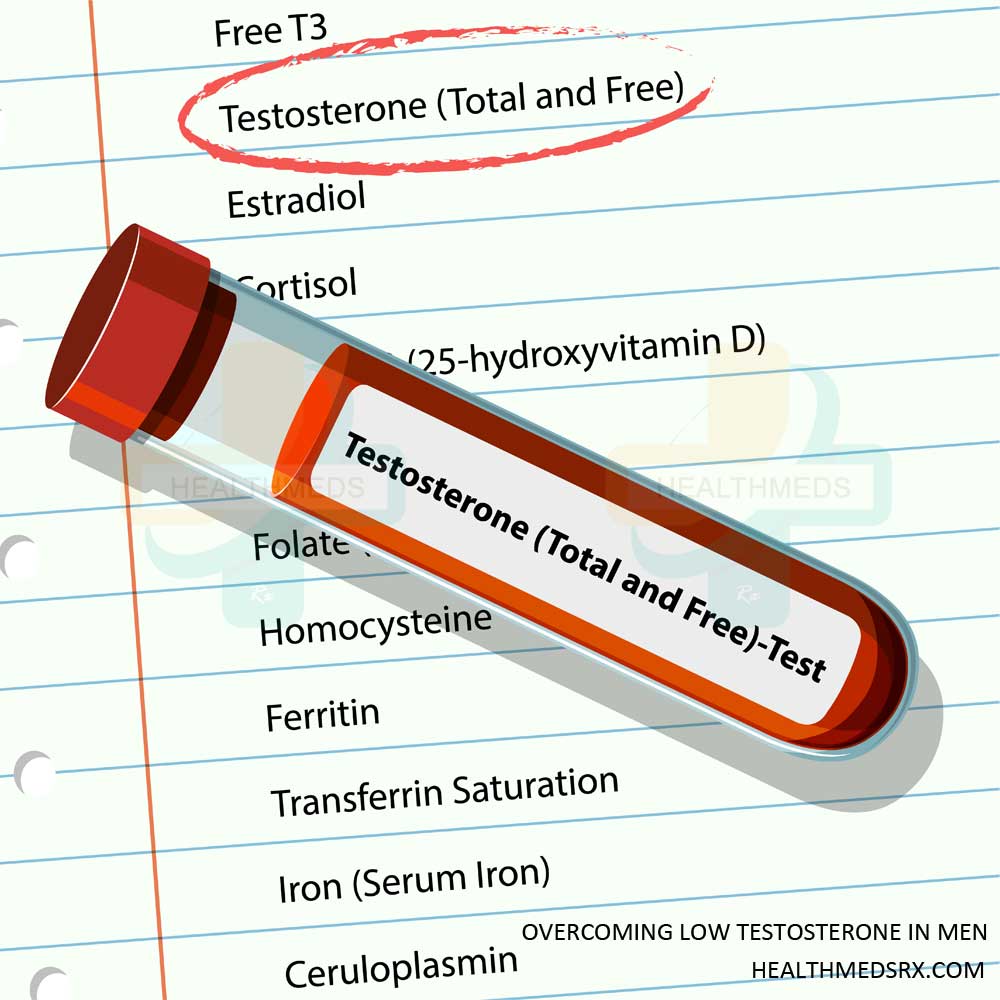
- Blood tests: The level of total and free testosterone is measured, and it typically happens in the morning
- Physical Exam: Symptoms evaluation and general health evaluation
- Hormone testing: Measuring levels of LH, FSH and prolactin to know whether the cause is by the testicles or the pituitary
Advantages of an early diagnosis:
- Avoidance of loss of density and wasting of bones and muscles
- Less chance of developing metabolic and cardiovascular ill health
- Better mental clarity and mood
- Healthier sexual performance and satisfaction
Without treatment, low T may cause severe health complications such as infertility, depression and higher amounts of body fat, mainly visceral fats, that are linked to heart disease.
Treatment Options for Low Testosterone
One can be treated according to needs and medical history. Testosterone Replacement Therapy (TRT) remains the most popular and effective option; nevertheless, alternative methods of therapy are available.
-
Testosterone-Replacement Therapy (TRT)
It raises the level of testosterone to a normal level with gels, injections, patches, or pellets. Also, energy, libido, and moods may all be affected by the patient. As with any treatment, TRT requires a lot of follow-ups to ensure the dose remains appropriate and to minimize potential side effects, which include acne, increased red blood cell counts, and prostate problems.
-
Drugs and Hormone-Stimulating Treatment
Men who want to keep their fertility can use Clomiphene Citrate or hCG injections. These treatments help the body make testosterone naturally.
-
Natural Supplements for Men’s Health
Although there is no clinical tissue instead of clinical treatment, some supplements can help to balance the hormones:
- Zinc
- Vitamin D
- Fenugreek
- Ashwagandha
- DHEA (medically supervised)
-
Adapted Lifestyle Modifications
When combined with other improvements (such as improving diet, exercise, and sleep), this aspect may greatly increase the efficacy of other treatments.
The Role Of Lifestyle Modification In The Fight Against Low Testosterone
What most men fail to recognize is the strength of lifestyle changes in aiding hormonal health. The changes can not only augment the medical therapies but, in mild cases, reverse low testosterone reversibly without medication.
Dietary Improvements:
It is imperative to consume nutrient-rich foods that will enhance hormone production.
- Healthy fats-avocado, nuts, olive oil
- Make more of an effort to consume lean proteins and cruciferous vegetables.
- Reduce sugar and processed foods.
Resistance Training/Strength:
It has been proven that resistance training and intense workouts trigger an increase in testosterone. Specifically, weightlifting provokes the discharge of testosterone.
Stress Management:
Cortisol is a hormone released by chronic stress, and it competes with testosterone. Stress can be overcome through meditation and deep breathing, as well as spending time outdoors, which can help induce hormonal balance.
Better Sleep Quality:
A large portion of testosterone is formed in sleep. Strive to get between 7 to 9 hours of high-quality rest every night, and maintain a regular bedtime and screen time before going to bed.
Natural Cures and Other Ways That Are Good to Try
Some men feel better from signs using extra help. But these helps should not take the place of the right treatments without a doctor’s watch.
- Acupuncture treatment can help control hormones and reduce stress
- Herbal remedies, like Tribulus terrestris and maca root, often catch eyes; however, proof to back up their use is still small right now.
- Bioidentical hormone help is a way to TRT that gives hormones like the body’s own natural types.
- Mind-body therapies like Yoga, Tai Chi, and being aware may lower cortisol and aid in balancing hormone levels.
Potential Psychological Consequences of Low Testosterone and Its Treatment Benefits
Low testosterone may be thought to manifest in the body alone. From a psychological point of view, symptoms like feeling emotionally detached or “not oneself” in men having testosterone deficiency are equally debilitating as those bodily ones.
Common psychological and emotional symptoms include:
- Anxiety, coupled with irritability
- Depression and mood swings
- A deficiency of motivation or drive
- Diminished self-esteem and a withdrawal from social interaction
Fortunately, treatment frequently returns men’s hormone levels to normal while simultaneously reviving confidence, mental clarity, and overall emotional stability. Treating the emotional dimension of low T may add counselling or therapy to medical management, particularly for men facing prolonged effects.