
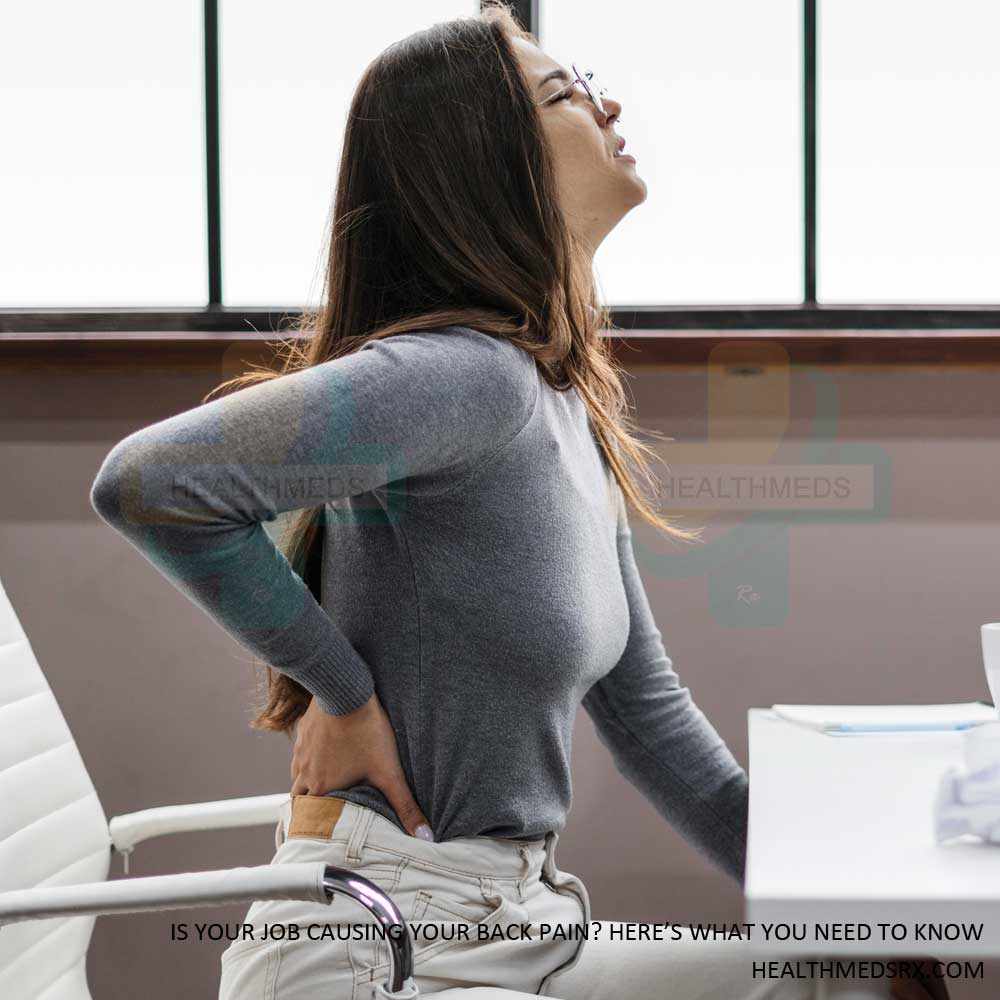

One of the major problems of working adults nowadays is back pain. Your workplace, no matter how sedentary your job is, can be one of the main factors influencing your spine. The World Health Organization holds that lower back pain is the leading global cause of disability, and one of the most common causes is the strain at the workplace.
In this blog post, we will explore the relationship between your job and back pain, including professions at high risk, ergonomics, symptom identification, and effective treatment and prevention measures.
Understanding the Connection: How Your Job Can Lead to Back Pain
Most individuals relate pain to injury, but in most cases related to work, they develop gradually because of bad working habits, posture problems, or repetitive actions.
Common Reasons for Back Pain in Jobs:
- Bad Posture: Slouched on a work station or desk, positioning your spine and muscles.
- Desk Job: This type of work leads to a sedentary lifestyle, and subsequent stiffness of the muscles and compaction of the spine.
- Repetitive Motion: Jobs where a person bends over, twists or constantly lifts can cause the muscles to be exhausted and strained.
- Bad Lifting: When lifting items that are too heavy, one can injure your back, specifically herniated discs or muscle strain.
- Exposure to Vibration: Exposure to heavy machinery or long-time driving leads to spinal strain.
Not even office workers are exempt. Even a seemingly harmless activity such as sitting all day without any breaks and support, might be as destructive as demanding physical work.
Ordinary Jobs That Help in Causing Back Pain: Are You at Risk?
Some occupations are inevitably associated with activities or workplace environments that augment the development of back pain. These are some of the most popular ones:
- Healthcare Professionals
Nurses and caregivers tend to lift patients and push them around, bend over beds, and spend hours on their feet. These activities cause a tremendous load on the lower back, particularly when not done properly or without the use of some form of insurance.
- Office Workers
Working with a bad posture for 8-10 hours a day is a recipe for chronic back pain. Typing on a keyboard that is positioned too high or the use of chairs without lumbar support, or the position of a monitor that is too low is likely to result in spinal misalignment and muscle fatigue.
- Manual Laborers and Contractors
Occupations that require a person to lift, carry or use heavy equipment consistently increase the chances of getting injuries to the back. Physical demand that does not have technique or recovery may end up causing back problems of either acute or chronic nature.
- Delivery Personnel and Truck Drivers
Prolonged durations of driving workers to the workplace expose them to full-body vibrations and low mobility. Poor seat support, standing up, sitting, and poor body position all aggravate the lower back.
In case you are one of those professions and feel uncomfortable during or after work, it is worth considering that the workplace might be a factor in your problem.
The Role of Ergonomics in Preventing Back Pain at Work
Ergonomics is the art and science of adapting the workplace to the physical needs of a worker. One of the greatest causes of back pains that come with work is a poorly arranged workplace.
Main Ergonomic Practices to Keep in Mind:
- Ergonomic Workstation: Place your monitor at eyeline, place keyboard, mouse on the table so that it is easy to reach, and keep the chair so that your feet remain flat on the ground.
- Ergonomic Chairs and Desks: Buy a chair that comes with a lumbar support and a desk that can raise and lower so that you can use both sitting and standing positions.
- Posture Correction Tools: Footrests, seat cushions or lumbar rolls can be utilised to encourage the straightness of the spine.
- Stretching Exercises: Daily stretching helps reverse stiffness and flow of blood to the body through muscles and joints.
The risk of injury can be minimized by the availability of ergonomic assessments and equipment by employers, especially in offices or physically taxing employment.
Identifying Symptoms
Back pain may have diverse manifestations, some of which are minor and not permanently disabling, while others, on the other hand, are chronic and disabling. It is critical to know the distinction between soreness and a serious condition.
Symptoms to Keep in Mind:
- Muscle Soreness: The pain often occurs in the lower back or between the shoulder blades due to long hours of sitting at the job.
- Chronic Pain: which lasts longer than a few weeks, especially in the lower back and may spread to the legs or hips.
- Acute Pain: Sharp pain or shooting pain following twisting or lifting of a heavy object may show signs of a slipped disc or a tear in the muscles.
- Other Signs: Morning stiffness, numbness or tingling in the limbs or pain aggravated by a particular posture.
When your pain is accompanied by numbness and tingling sensations or other sensations of muscle weakness, and when this pain impairs your job or sleeping habits, seek medical advice. Minor problems can be avoided before they become permanent conditions when they are detected early and treated.
Treatment of Back Pain due to Job Strain
Most of the back pains that are job-related can be treated or effectively managed using the correct measures. The most prevalent ones are the following:
- Physical Therapy
The physical therapist would be able to develop an individual program with a view to stretching, strengthening, and postural adjustment. These exercises address the underlying muscle imbalances as the sources of pain.
- Chiropractic Care
Chiropractors engage in manual adjustments to heal the spine and lessen the irritation of nerves. Regular sessions are used to relieve the chronic lower back pain of many people.
- Over-the-Counter Medications
Medicine to relieve the pain and inflammation includes nonsteroidal anti-inflammatory drugs, as ibuprofen or naproxen. Short-term relief may also be prescribed with the help of muscle relaxants.
- Heat and cold therapy
Cold packs help eliminate pain and swelling, whereas heat therapies (such as heating pads) relax muscles that have become stiff and enhance blood flow.
- Massage Therapy
The effects of massage include the reduction of tension in overworked muscles, enhanced circulation and relaxation, and these are able to alleviate back pain.
In serious forms, your doctor might recommend the use of imaging tests, injections, and even surgery, yet mostly they are the last resort.
Preventive Strategies: How to Keep Your Back Safe while Working
Prevention is always superior to cure. Taking easy steps to adjust your daily Habits and workspace can do much to prevent back injury and chronic pain.
- Build Up Your Core
Exercises that target muscle groups, including your abdominal area, like planks, bridges, and crunches, not only build the muscles but also give you better spinal support.
- Take Breaks regularly
Refrain from holding a position for too extended a period. Once every half hour to an hour, give yourself a brief pause to walk, stretch, or adjust your posture.
- Employ Correct Lifting Methods
If you must lift heavy objects:
- Bend at the knees rather than at the waist.
- Maintain the object close to your body.
- While carrying a heavy object, don’t twist—rotate your posture with the whole body instead.
- Make an Ergonomic Investment
Even modest adjustments—such as a lumbar-support pillow, a standing desk, or an anti-fatigue mat—can greatly improve your posture and comfort.
- Take part in your company’s workplace wellness programs.
Certain companies offer wellness programs that encompass fitness classes, ergonomic check-ups or mental health counselling. Make use of these free resources to keep your body and mind fully healthy.