
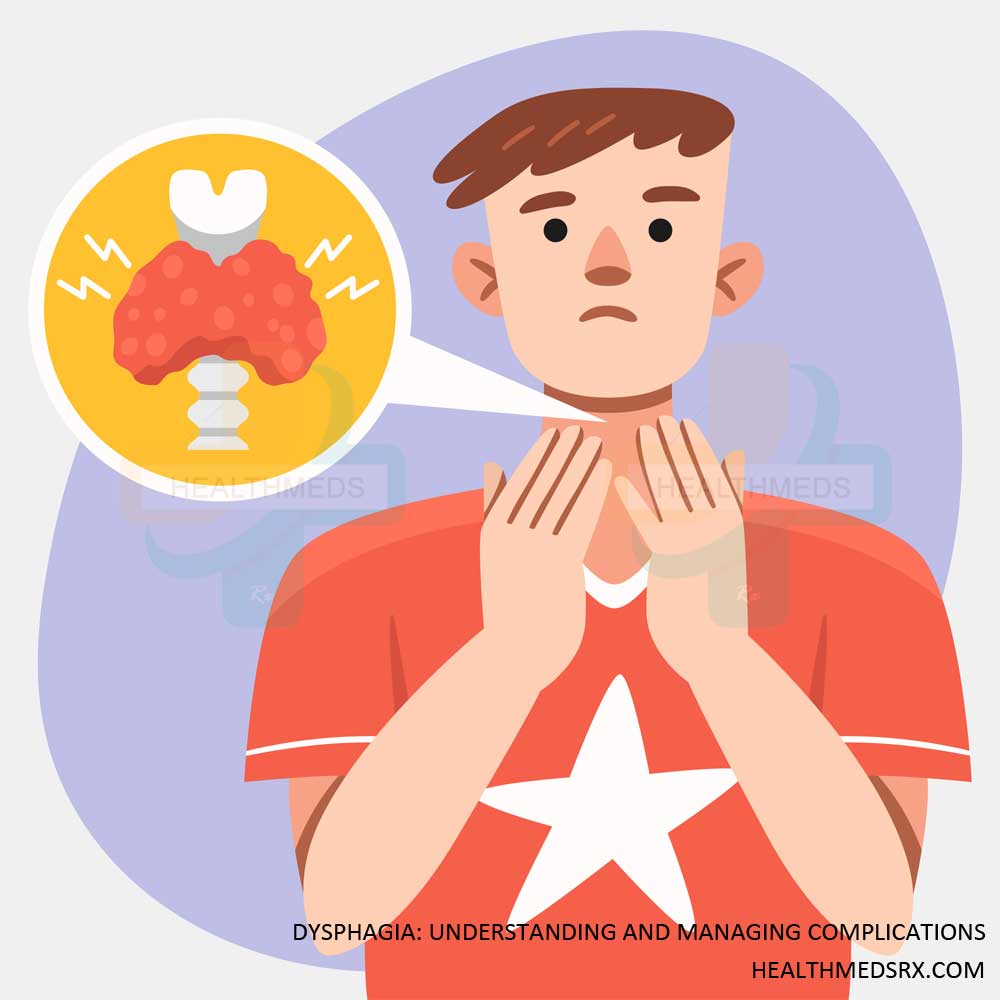

The inability to swallow can be referred to as dysphagia, which is a term used by doctors to define this problem; it occurs across every age group, yet an elderly person and a patient with a neurological diagnosis are two groups it can be applied more frequently.
The next piece of complicated coordination between the muscles and the nerve impulses is the very act of swallowing, which on the one hand can appear to be a simple reflex process. Swallowing is complicated or even hazardous when this process is hindered anywhere.
Dysphagia Definition and Types
There are two main types of dysphagia, and they are:
- Oropharyngeal Dysphagia: Difficulty with bolus onset of a swallow (usually a difficulty with the mouth or the throat).
- Esophageal Dysphagia: Problems swallowing food down the throat to the stomach.
It has subtypes corresponding to the causative factors, which are the functional, neurological and structural dysphagia.
The causes of Dysphagia
- Neurological Disorders: Stroke, Parkinson’s, ALS, multiple sclerosis
- Disorders of the muscles: Myasthenia gravis, muscular dystrophy
- Structural abnormalities: tumours, strictures or inflammation of the esophagus
- Age-Related: Reduction in Muscle Strength and Co-ordination
- Congenital conditions: Cleft palate, children’s esophageal atresia
Dysphagia may appear slowly and be sudden, so it is essential to identify its manifestations in the earliest stages to avoid any additional health conditions.
Typical Complications: Dysphagia is the Cause of
Where the condition remains uncured, it can result in brutal and life-threatening consequences. The inability to swallow things will not only end as a set of complications that hinder nutrition and hydration processes, but it can also lead to the development of such risks that disrupt the entire activity of the organism.
1. Aspiration Pneumonia
One of the hazardous complications is aspiration pneumonia, which occurs in the event that the food or liquid is not swallowed in the stomach but rather inhaled directly into the lungs. This can lead to infection, shortness of breath and even death in case it is not timely addressed.
2. Malnutrition and Dehydration
Dysphagic individuals may struggle to consume enough food or fluids, resulting in:
- Weight loss
- Vitamin and mineral deficiencies
- Electrolyte imbalances
This weakens the immune system and delays recovery from other illnesses or surgeries.
3. Airway Obstruction and Choking
Ingestion of food materials or any liquid that rises into the windpipe can block air by causing choking accidents, which require immediate intervention. There are also instances of choking regularly that cause fear and anxiety about food consumption.
4. Gastroesophageal Reflux Disease (GERD)
GERD is one of the conditions that some individuals with dysphagia develop, resulting in reflux of stomach acids into the esophagus.
This raises the danger of:
- Esophageal ulcers
- Strictures
- Barrett’s esophagus, a precancerous condition
5. Psychological and Social Complications
Besides physical dysphagia can lead to complications, which are located on the emotional and mental level and which are connected to the individuality, self-esteem, and interaction of the person.
Dysphagia has an Effect on the quality of Life.
Dysphagia not only give disturbance to a person who is capable of swallowing, but it also reduces the overall quality of life of a person. Social habits, along with emotional condition and routines of everyday life, are influenced.
Physical Limitations
- Fatigue and Weakness: Fatigue and weakness are the outcomes of insufficient nutrition.
- Dependency on Feeding Tubes: There can be extreme cases where people would need nasogastric and PEG (percutaneous endoscopic gastrostomy) tubing.
- Decreased Resistance: Due to the effect of malnutrition on immunity, there is a decreased response to infection.
Emotional Effects
- Depression and Anxiety: The fear of choking or making a social person feel embarrassed when eating causes one to avoid social situations.
- Loss of dignity: Special food devices and pipes can cause a person to lose self-esteem after relying on others.
- Isolation: Food is a social experience, and loss of it may result in social alienation of the individual, especially someone in an elderly home/care facility.
Social Implications
- Avoiding eating in public: Fear of coughing or choking
- Poor Relations: The family and caregivers might have a vulnerability to interpret the severity of the matter
- Participation Reduction: in the events or festivities where food is a component
Dysphagia predetermines a simple action of eating to be a life-threatening activity and dims the life of the individual concerned.
Management and Diagnosis of Dysphagia Complications
Dysphagia should be identified early enough and properly managed in order to mitigate its risks and enhance the capacity of the patient to live a full life.
Diagnosis Methods
- Clinical Swallowing Evaluation (CSE): A test that is administered by a speech-language pathologist (SLP)
- Videofluoroscopic Swallow Study (VFSS): X-ray video to see a picture of swallowing
- Fiberoptic Endoscopic Evaluation of Swallowing (FEES): The test was performed by a small camera inserted in the nose to evaluate swallowing
- Esophageal Manometry: used to record the pressure of the esophagus
- Barium Swallow Test: A Good way of identifying obstruction or muscle disorders
Possible Therapy for Swallowing
Treatments are customised depending on the nature and the cause of dysphagia:
- Compensatory Techniques: Swallowing by altering body posture or the position of the head
- Swallowing Exercises: Improve muscle strength and coordination
- Electrical Stimulation Therapy: Helps stimulate muscle activity
In the treatment plan, SLPs are used in planning and the proximity of the patient. The treatments are also especially useful in neurogenic dysphagia.
Diet Modifications
Nutrition is crucial for healing and sustaining life. Modifying the texture of food and liquids helps reduce the risk of choking and aspiration.
- Soft or pureed diets
- Thickened liquids
- Nutritional supplements
- Meal pacing strategies
Dietitians and speech therapists often collaborate to ensure that meals are not only safe but also enjoyable and nutritionally balanced.
Preventing Complications
Living with dysphagia requires adjustments, but many complications can be prevented with the right knowledge and approach.
Here are practical tips:
1. Positioning and Environment
- Sit upright at a 90-degree angle during and at least 30 minutes after a meal.
- Eat in a quiet, relaxed setting to minimise distractions.
- Ensure proper lighting and utensil accessibility.
2. Meal Strategies
- Small, frequent meals rather than three large ones
- Slow pace of eating with thorough chewing
- Avoid talking while eating.
- Monitor for signs of fatigue or distress while eating.
3. Caregiver Guidance
- Learn to recognise aspiration signs: coughing, wet voice, throat clearing.
- Provide emotional support and encouragement.
- Stay involved in therapy sessions to reinforce techniques at home.
- Maintain consistent hydration and nutrition logs.
4. Oral Hygiene
Maintaining oral hygiene is essential to reduce the risk of aspiration pneumonia, especially in bedridden or elderly patients.
5. Prevention Strategies
- Early intervention post-stroke or in neurological conditions
- Regular swallowing evaluations for high-risk individuals
- Consider prophylactic feeding tubes in extreme cases, only under medical guidance
The success of any prevention plan depends on active communication between patients, caregivers, and medical professionals.
Dysphagia is not a simple state of a swallowing disorder; it is a disease that affects all aspects of the life of a patient. The complications of dysphagia are not limited to malnutrition and respiratory problems: they may appear in the form of social isolation and even depression, which is why they have to be managed appropriately and in time.