
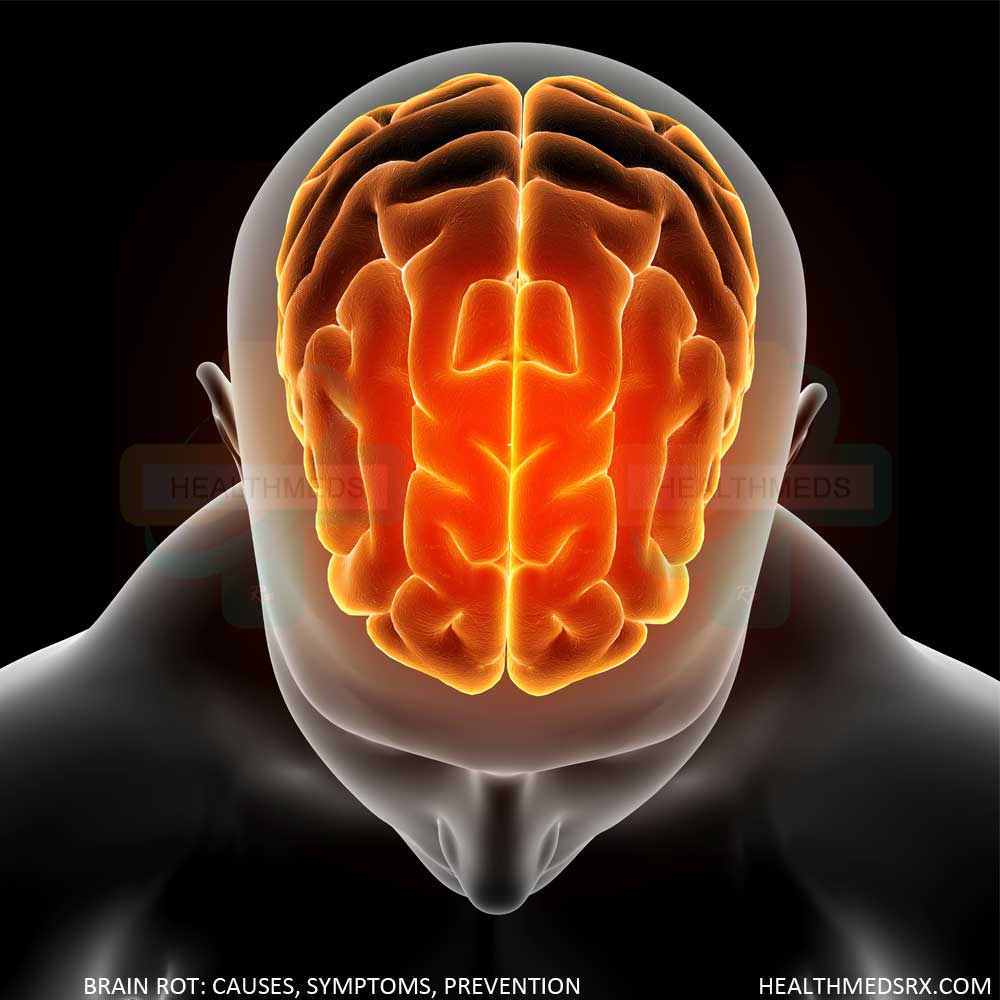

In a world increasingly saturated with digital distractions, high stress, and sedentary lifestyles, the term “brain rot” has emerged as a catch-all phrase for the gradual decline in cognitive function. Brain rot is not a clinical term but it is a term used to sum up a range of disorders that affect memory and mind, starting from memory loss, easy forgetfulness, and easy exhaustion of the mind to erratic behavior and instability of the mind. This phenomenon is gaining attention, particularly in the U.S., where a significant portion of the population faces the pressures of work-life imbalance and a processed diet that often lacks essential nutrients for brain health.
Brain rot at an early stage does not come along with observable signs – one might miss deadlines and forget important appointments and if not treated, become mentally foggy which can lead to severe organic and eventually emotional disorders. The reasons are equally diverse and include unhealthy diet and physical inactivity, hypertension, diabetes, or toxic exposure. They don’t consider the significant role between lifestyle and nutrition and the patient’s condition, which is so crucial in aggravating or healing the disease.
This blog provides more than just basic information about brain rot facts. Here will find out what signs to look for, how to measure their risks, and what steps one should take now and in the future. We will also touch on six categories of food for the brain, how to change one’s current way of life and seven creative ways to bring new life into one’s general brain function. Whether you’re seeking to protect your mental sharpness or reverse signs of decline, this comprehensive guide is tailored to provide practical, evidence-based solutions.
What Are the Symptoms of Brain Rot?
Recognizing the symptoms of brain rot is crucial for early intervention. Common signs include:
- Memory Loss: Frequent forgetfulness, such as misplacing items or failing to recall recent events.
- Mental Fatigue: Struggling to focus on tasks or experiencing cognitive overload.
- Mood Swings: Increased irritability, anxiety, or bouts of depression.
- Difficulty Learning New Information: Trouble retaining new skills or knowledge.
- Disorientation: Losing track of time, surroundings, or daily routines.
- Epidemiologically, 11% of US adults above 50 years display some form of cognitive impairment commonly associated with modifiable risk factors and comorbidities of modern life (source).
What Is Brain Rot, And What Should I Do If I Suspect I Have It?
Detecting signs of brain rot comes as noticing the early signs of the deterioration of cognitive skills and general well-being. Here’s how you can self-assess:
- Track Forgetfulness: A log book should be maintained to record situations where there are memory-related inconveniences.
- Monitor Productivity: Note whether tasks that were once easy now feel mentally exhausting.
- Assess Emotional Health: Observe persistent feelings of sadness, irritability, or confusion.
- Conduct Brain Exercises: Engage in puzzles or mental challenges; difficulty completing them may signal cognitive decline.
- Seek Feedback: Family or close friends may notice changes you overlook.
What Are Effective Remedies for Brain Rot?
Although there is no cure for brain degeneration caused by conditions like Alzheimer’s, remedies for mild cognitive decline can be highly effective:
- Mental Stimulation: Chemical activity in the brain is triggered by chess, crossword puzzles, and reading.
- Regular Exercise: Steady exercise raises the capacity of the bloodstream to deliver better oxygen and nutrients to the brain; it raises the production of new brain cells.
- Adequate Sleep: It is widely believed that during one’s deep sleep, the body cleans itself of toxins due to the more active function of the liver
- Mindfulness Practices: Meditation and the practice of yoga activities decrease tension levels and improve brain concentration.
- Therapeutic Interventions: CBT is also useful for dealing with mood disorders associated with brain rot.
- According to a study conducted in Frontiers in Aging Neuroscience, just 30 minutes of aerobic exercise thrice per week can decrease the chances of cognitive damage by 20% (source).
Can Brain Rot Be Prevented?
Prevention strategies are centered on maintaining overall brain health:
- Avoid Toxic Substances: Avoid alcohol and drugs and also avoid exposure to chemical irritants and other hazardous materials.
- Manage Chronic Conditions: Prevent diabetic, hypertensive, and hypercholesterolemia which are among the risk factors for cognitive impairment.
- Stay Socially Active: social communication increases and sharpens the brain Some of the ways through which friendly conversations can be kept include:
- Protect Your Head: To reduce cases of traumatic brain injuries wear helmets when cycling.
- Lifelong Learning: Always overload the brain with knowledge to keep up with new languages, hobbies, or skills.
- According to the Alzheimer’s Association, 40 percent of all dementia cases in the United States could be prevented if other risk factors are dealt with.
What can be done to minimize brain rot?
- Balanced Diet: Add foods with nutrients that are good for the brain including omega-3 fatty acids and antioxidants.
- Regular Sleep Schedule: Try to sleep between 7 and 9 hours a day because that is when the brain recharges.
- Stress Management: Engage in such relaxation methods as deep breathing or writing a journal.
- Hydration: Make sure you take the right amount of water daily to support brain activities.
- Avoid Multitasking: Minimize divisions of attention to improve attention to detail.
6 Foods That Can Help Combat Brain Rot
- Fatty Fish: Rich in omega-3s essential for brain cell repair.
- Blueberries: High in antioxidants that have modulating effects on brain oxidative stress.
- Leafy Greens: Kale contains vitamin K which increases cognitive function and spinach contains folate. Broccoli also contains vitamin K.
- Nuts and Seeds: Rich in vitamin E mandatory for the prevention of cell damage.
- Whole Grains: Regulate blood sugar levels to guarantee a constant supply of energy to the brain.
- Dark Chocolate: Paired with flavonoids which help with memory and mood.
- Still in (source) it was established that a Mediterranean diet, packed with these foods possessed a 33% less risk of developing dementia.
5 Signs You May Be Experiencing Brain Rot
- Decline in Problem-Solving Abilities: Simple decisions take longer or feel overwhelming.
- Poor Coordination: Difficulty with balance or motor skills.
- Speech Impairments: Struggling to find the right words or form coherent sentences.
- Social Withdrawal: Avoiding interactions due to embarrassment or confusion.
- Chronic Fatigue: Feeling drained despite adequate rest.
Strategies for Preventing Brain Rot in Daily Life
- Digital Detox: Limit screen time to reduce mental fatigue and improve focus.
- Time Management: Structure your day to include breaks, ensuring periods of rest for your brain.
- Social Connections: Join community groups or engage in social activities to stimulate your mind.
- Healthy Hobbies: Pursue activities like gardening, painting, or playing a musical instrument.
- Stay Curious: Read widely, watch documentaries, or explore new interests to keep your brain engaged.
Techniques for Revitalizing Your Mind from Brain Rot
- Guided Meditation: Use apps or attend classes to train your mind in mindfulness and relaxation.
- Brain Training Games: Apps like Lumosity or Elevate can help improve cognitive functions.
- Nature Walks: Spending time outdoors reduces stress and improves mental clarity.
- Art Therapy: Engaging in creative activities fosters neuroplasticity.
- Cognitive Rehabilitation: Work with professionals to improve specific cognitive skills
Brain rot as shocking as it may sound is usually actionable or preventable. Symptoms must be noticed early, healthy changes made in lifestyle, and food consumed should be brain-boosting foods to greatly minimize the chances of experiencing any kind of decline in the brain. Specific prevention measures like exercise, meaningful activity, and sleep give you control over your brain health as you age. Remember, a healthier brain begins with the choices you make today!